
What Does Last-Mile Delivery Mean?
What Does Last-Mile Delivery Mean?
You’ve probably heard about the different ways last-mile delivery can positively impact your business and elevate your overall customer experience. But what does last-mile delivery mean? In simple terms, last mile delivery refers to the final stretch of getting an order from a nearby hub to the customer’s door. And when done right, it can turn deliveries into a smooth, positive experience that keeps customers coming back.
Are you looking for a last-mile delivery partner who can keep your shipments moving quickly and reliably? Backed by a nationwide team of logistics specialists, Brick Dynamics brings the tools, insight, and hands-on support needed to deliver faster and with fewer headaches. Get in touch to see how we can enhance your delivery performance and improve customer satisfaction.
In this blog, we’ll explain what last mile delivery means, its benefits, and the challenges that many businesses face when they try to put it into practice.
What Is Last Mile Delivery in Logistics?
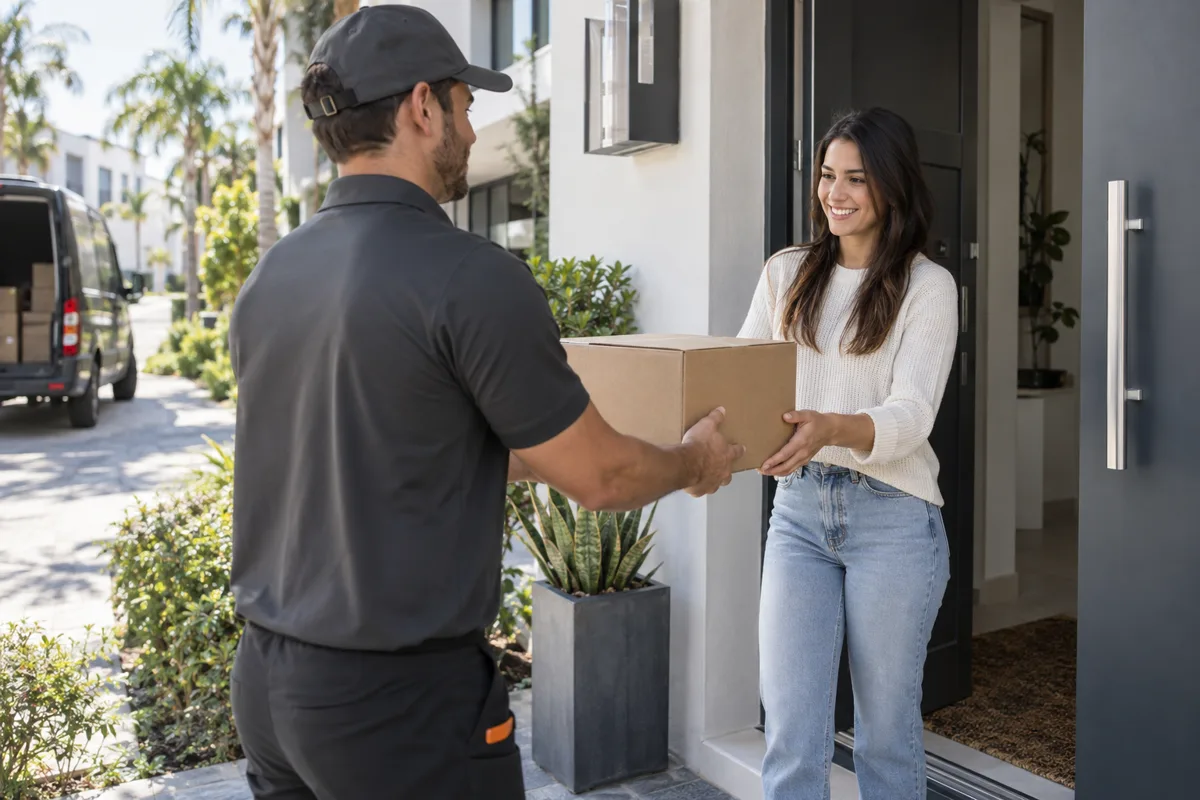
Last-mile delivery is the final stage of the supply chain where a product moves from a local distribution hub or fulfillment center directly to the customer’s doorstep. You can think of it as a process that ensures the product reaches the buyer quickly, accurately, and in good condition.
The reason it is such a critical part of the supply chain is because it has a direct impact on how customers feel about a business. That is to say that any business that wants happy, returning customers benefits from a strong last-mile strategy
What Are the Benefits of Effective Last Mile Delivery?
The biggest benefit of last-mile delivery is how it directly improves customer satisfaction. When packages arrive on time and in perfect condition, customers feel valued. And as a result, they are more likely to patronize your business again.
Another advantage is it enhances operational efficiency. A well-planned last-mile system helps businesses streamline routes, reduce fuel costs, and avoid delays, which saves both time and money. It also makes it easier to handle high volumes during peak seasons, ensuring that the supply chain can adapt without sacrificing quality or speed.
An effective last-mile delivery system also gives businesses a competitive edge. If you’re delivering packages faster than your competitors, it makes you stand out in the market. Additionally, it reduces the risk of errors like missed drop-offs or damaged goods, which can otherwise lead to costly returns and negative reviews.
And lastly, a strong last-mile execution provides valuable insights. By tracking deliveries and analyzing patterns, companies can optimize their operations. So, to sum it up, an efficient last-mile system not only improves the customer experience and cuts costs, but it also bolsters the company’s standing in the market.
How Does Last Mile Delivery Work?
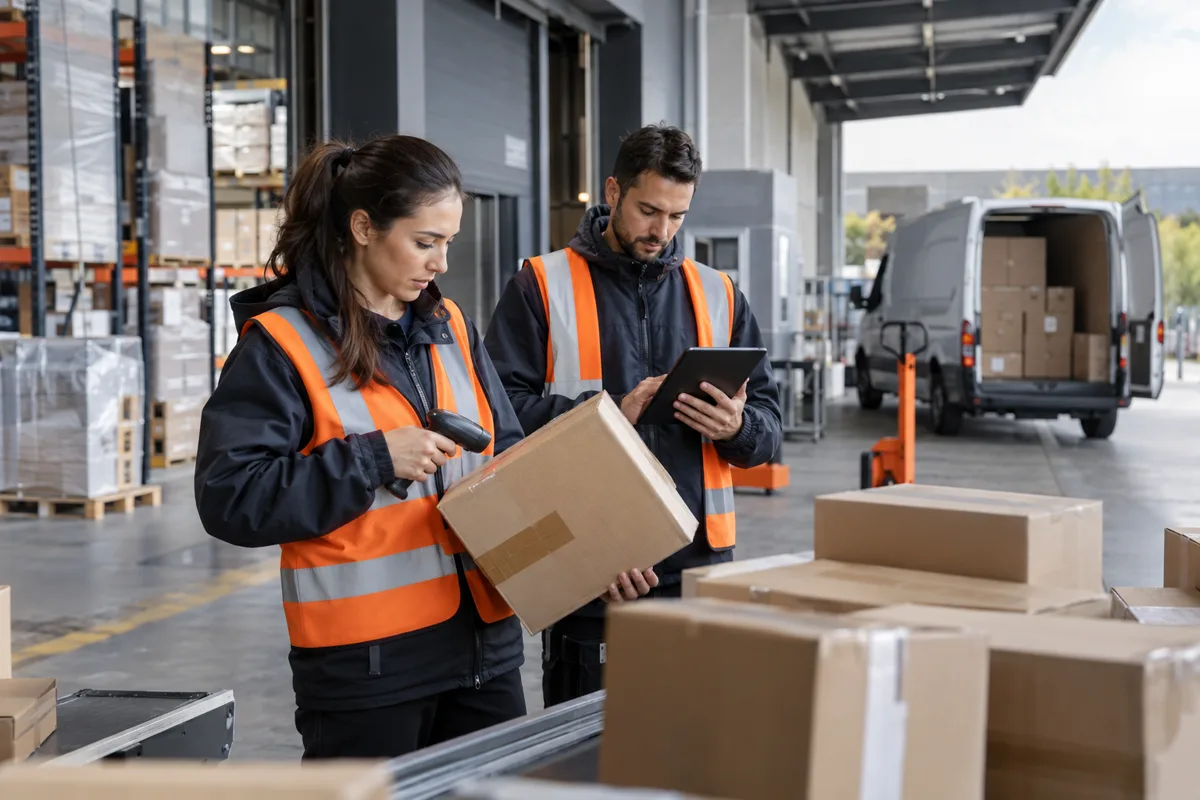
Before you can implement a last-mile delivery system, you need to understand how the process works. From order processing to delivery tracking, we’ve outlined all the essential steps in the last-mile delivery process.
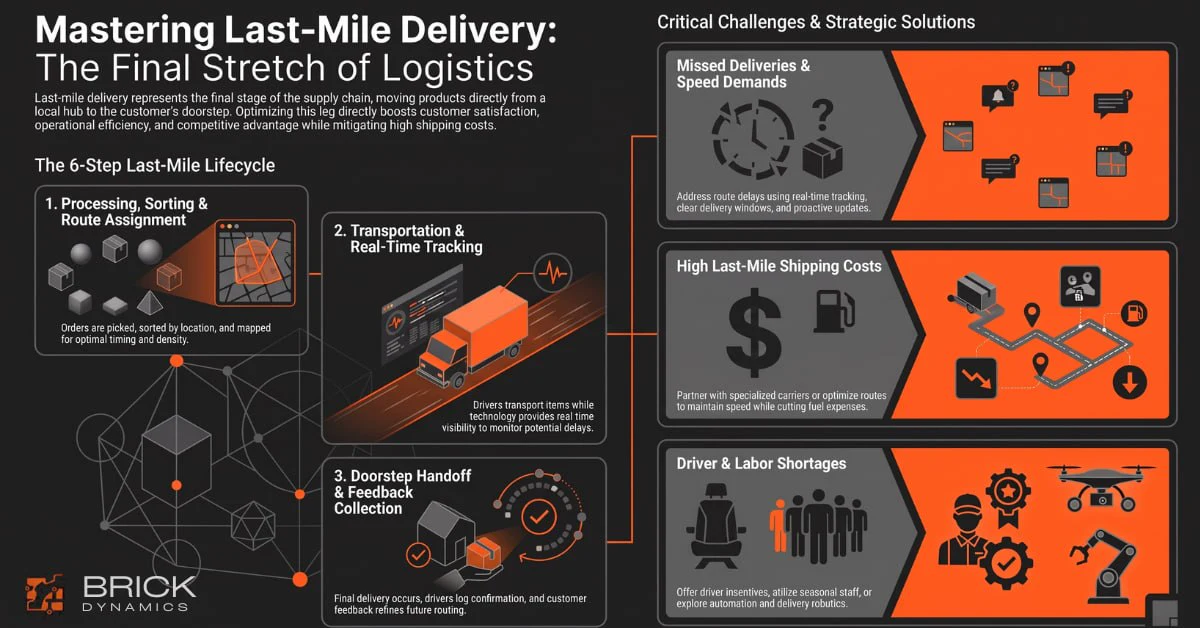
- Order Processing and Sorting: The process begins when a customer places an order through your website, app, or marketplace. Once the request hits the system, your warehouse staff will pick, sort, and prep the items. After that, they can now go on to group the packages by location, delivery window, and priority so each one follows the smartest route and avoids unnecessary delays.
- Route Planning and Assigning: From there, logistics coordinators step in to map out the best route for delivery. These professionals assign packages to drivers based on distance, density, and timing. This step is where same-day and next-day promises are really made or broken, so careful planning keeps deliveries fast, reliable, and cost-efficient.
- Pickup and Transportation: Drivers then head to the warehouse or hub to pick up their assigned packages. Once they hit the road, timing and coordination matter a lot because they have got to move quickly but also handle packages with care to avoid damage or service failures.
- Delivery Tracking: Meanwhile, your technology team and delivery managers will be tracking the package in real time. Their updates keep the business informed on potential delays and give customers visibility so they’re not left guessing when their package will arrive.
- Delivery and Customer Interaction: When the driver reaches the customer’s doorstep, the final handoff happens. Remember that a smooth, on-time delivery goes a long way in building trust and boosting customer satisfaction.
- Completion and Feedback: Once delivery is complete, the driver logs the confirmation and the cycle wraps up. Businesses can then gather feedback to understand what worked, what didn’t, and how to fine-tune operations. Over time, these insights help improve routing, planning, and the overall delivery experience.
What Are Common Challenges in Last Mile Delivery and How to Overcome Them?
One of the most frequent last-mile delivery problems businesses face is missed or delayed deliveries. When a package does not arrive on time or gets lost along the way, it can negatively impact the entire delivery experience. To deal with this, many companies are investing in advanced real-time tracking and route optimization tools. With these tools, delivery drivers can adjust on the fly and ensure orders reach the customer’s doorstep as promised.
High shipping costs are another major hurdle in last-mile logistics. Businesses often struggle to control costs while maintaining a fast and reliable delivery service, especially for same-day delivery operations. One way business owners are getting around this is by partnering with specialized last-mile carriers or leveraging in-house delivery services to maintain efficiency and control costs.
For businesses serving online shoppers, meeting customer expectations for speed and convenience can be challenging. For instance, a customer might place an order in the morning and expect delivery the same day. However, traffic delays or misrouted packages may result in delivery being delayed until the next day. To combat this, companies are now offering clear delivery windows and proactively communicating with their customers about any changes.
Another major challenge businesses face in last-mile delivery is labor shortages. When a company doesn’t have enough delivery drivers or personnel, it can be difficult to meet up with their customers’ expectations. To address this, businesses are investing more in workforce planning and offering better incentives to attract and retain delivery drivers.
What Are Best Practices in Last Mile Delivery?
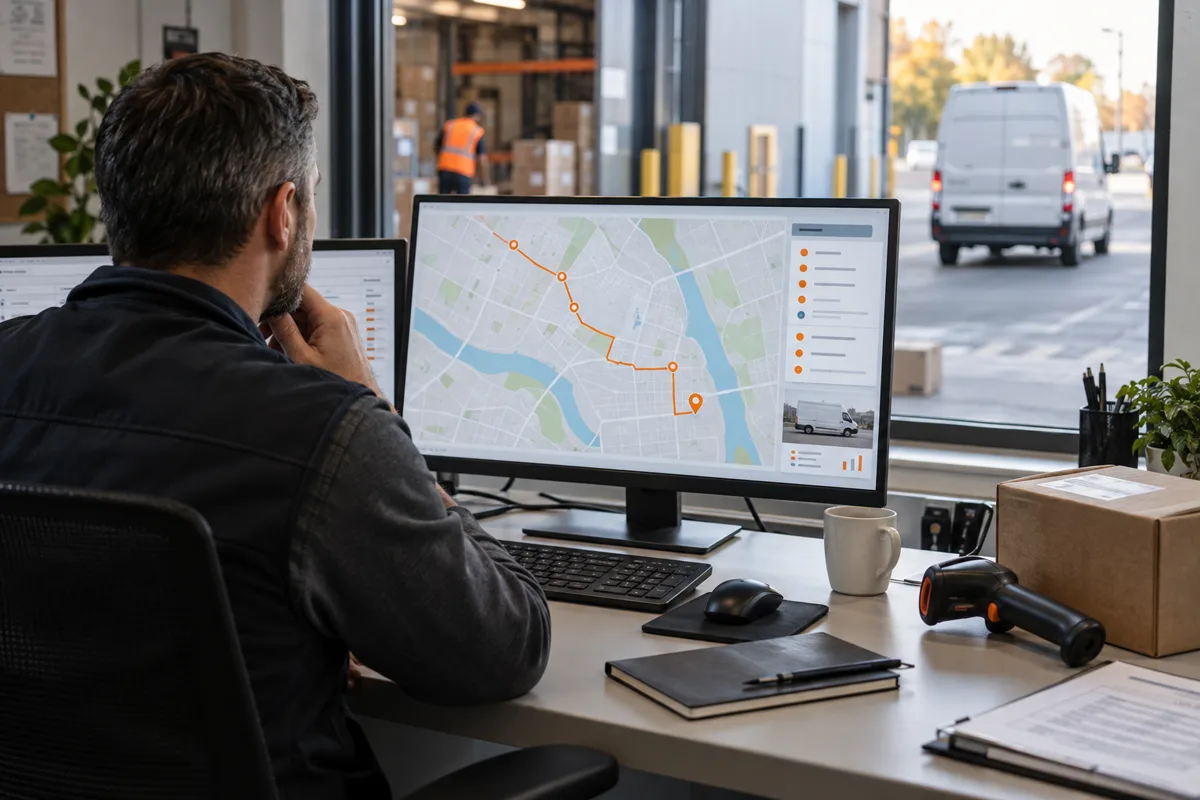
By following these proven strategies, you can streamline operations and have an easier time meeting customer expectations.
1. Optimize Route Planning
Companies like Amazon rely heavily on route optimization algorithms that adapt in real time to traffic and weather conditions, making their last-mile delivery experience fast and reliable. With the most efficient routes mapped out, deliveries reach the customer faster and fewer resources are wasted. Not to mention that proper route planning can also reduce fuel costs and even enable same-day delivery options.
2. Implement Real-Time Tracking
Keeping customers informed with real-time tracking has become almost expected in e-commerce. While it can allow customers to see exactly where their package is, it also makes it possible for businesses to respond immediately if a delay occurs. UPS, for example, allows users to track packages to the minute, which not only improves transparency but also reduces customer inquiries and increases trust in the delivery process.
3. Offer Flexible Delivery Windows
Companies like Target and Walmart provide multiple delivery time slots, which makes it easier for customers to know when to expect their package. Allowing your customers to choose or confirm delivery windows can improve their convenience and reduce missed deliveries, hence saving the business time and money.
4. Leverage Last Mile Carriers and Partners
For businesses that do not have the resources to manage their own fleets, partnering with specialized last-mile carriers can make a huge difference. Smaller e-commerce brands often rely on local courier services to reach areas they can’t cover efficiently on their own. Additionally, these partnerships can provide faster delivery options and help businesses scale without increasing their overhead costs.
5. Use Data-Driven Forecasting
DHL uses predictive analytics to allocate drivers and vehicles more efficiently, particularly during high-volume periods like Black Friday. This proactive approach helps prevent bottlenecks, ensures packages move quickly through fulfillment centers, and reduces the chance of failed deliveries.
6. Incorporate Technology and Automation
More businesses are incorporating technology and artificial intelligence (AI) into their delivery process since these tools have the potential to reduce human error and speed up deliveries. For example, Domino’s has tested delivery robots in certain markets, showing how automation can help businesses manage labor constraints while maintaining reliable delivery services.
7. Offer Multiple Delivery Options
Amazon did an excellent job at diversifying delivery options with their Amazon lockers, which allow customers to pick up their packages at convenient locations and on their own schedule. Like Amazon, more businesses need to invest in providing their customers with a variety of delivery options to choose from. By offering a variety of delivery options, businesses position themselves to better meet customer expectations and improve satisfaction.
8. Monitor Performance Metrics
Tracking performance indicators like delivery time, successful first-attempt deliveries, and customer feedback helps businesses continually refine their operations. Instacart, for example, analyzes driver performance and delivery patterns to make adjustments that improve their speed and reliability. This ensures customers consistently enjoy a positive experience.
9. Prepare for Labor Shortages
A lack of delivery personnel can slow down the entire last-mile delivery process and frustrate customers. Businesses are responding by offering incentives to retain drivers, hiring temporary staff during peak seasons, or even exploring autonomous vehicles to fill gaps.
Struggling to Optimize Last-Mile Delivery for Your Business?
An inefficient last-mile delivery process can adversely affect your business in numerous ways. The most significant is reduced revenue, often caused by unhappy customers leaving the business for its competitors. This is what makes it so important to invest in a last-mile delivery process that guarantees packages reach the customer’s doorstep on time.
Beyond establishing a last-mile delivery system, it is also essential to incorporate best practices such as real-time tracking to guarantee your last-mile delivery experience keeps your customers coming back.
If you need help strengthening your last-mile delivery operations, Brick Dynamics is here to help. Our skilled team can analyze your current last-mile delivery operations and implement tailored solutions to improve delivery speed and reliability. Schedule a free consultation with us today and start giving your customers the experience they expect.
FAQs
This FAQ section answers the most common questions about last-mile delivery so you can optimize your operations and enhance the customer experience. Didn’t find the answer you were looking for? No problem. Get in touch, and someone on our team will gladly help.
Why Is Last Mile Delivery Important?
Last mile delivery is important because it directly affects customer satisfaction and loyalty. Even if the earlier stages of the supply chain run smoothly, delays, errors, or damaged packages during the final leg can undermine the entire delivery experience. It also helps businesses control costs and maintain reliable delivery services.
How Can Companies Optimize Last Mile Delivery?
Companies can optimize last-mile delivery by implementing best practices like route optimization, real-time tracking, and flexible delivery windows. Additionally, partnering with specialized last-mile carriers can help scale operations while maintaining fast, reliable service.
What Are the Key Cost Factors to Consider in Last Mile Delivery?
The main cost factors in last-mile delivery include fuel and transportation expenses, labor costs for drivers and delivery personnel, and expenses related to failed deliveries or re-deliveries. Packaging materials and technology investments for tracking and route optimization also contribute to your overall cost.
What Are Common Mistakes to Avoid in Last Mile Delivery?
Common mistakes in last-mile delivery are usually linked to skipping essential best practices, like failing to plan optimized routes, underestimating delivery time, or neglecting real-time tracking. These gaps often slow down the entire delivery process and make it difficult to provide reliable delivery services. Some businesses also fail to clearly communicate delivery windows, which almost always leads to missed or failed deliveries. And when companies rely too heavily on manual processes, it creates unnecessary bottlenecks that frustrate online shoppers and leave drivers scrambling.