What Are Two Benefits Associated with Reverse Logistics?
The two major benefits associated with efficient reverse logistics are cost reduction and environmental sustainability. For businesses, reverse logistics is the process of managing returns, repairs, recycling, and product recovery after sale. When done right, businesses can recover more value from products, reduce costs, and lower the environmental impact.
AtBrick Dynamics, we’ve helped businesses manage product recovery, warehousing, logistics, and fulfillment for over three years. Our network of over 500 local experts across 65+ U.S. metros helps businesses handle physical operations, and returns more efficiently. We also provide real-time tracking, giving you visibility into where your products are throughout the process. If you need a reliable partner to manage returns while controlling costs and reducing waste, contact us to discuss your operations.
In this article, we’ll explain what reverse logistics is, explore its key role in preserving value, and show how businesses can use it to reduce costs and minimize waste.
What is Reverse Logistics?
A product’s journey doesn’t necessarily end once it gets to the customer’s door. The customer may be unhappy with the product quality, find that it doesn’t fit, or simply decide to return it. This is where reverse logistics, or reverse supply chain logistics, comes in. Unlike forward logistics that takes products to the customer, reverse logistics is the process of moving goods back through the supply chain to the supplier or another designated location.
Online shopping makes it harder for products to meet customer expectations, as customers cannot assess products before buying. As a result, return volumes continue to grow, increasing the need for an efficient reverse logistics process. TheNational Retail Federation estimated that 19.3% of online sales were expected to be returned in 2025, showing how much product can move back through the supply chain.
How Does Reverse Logistics Work?
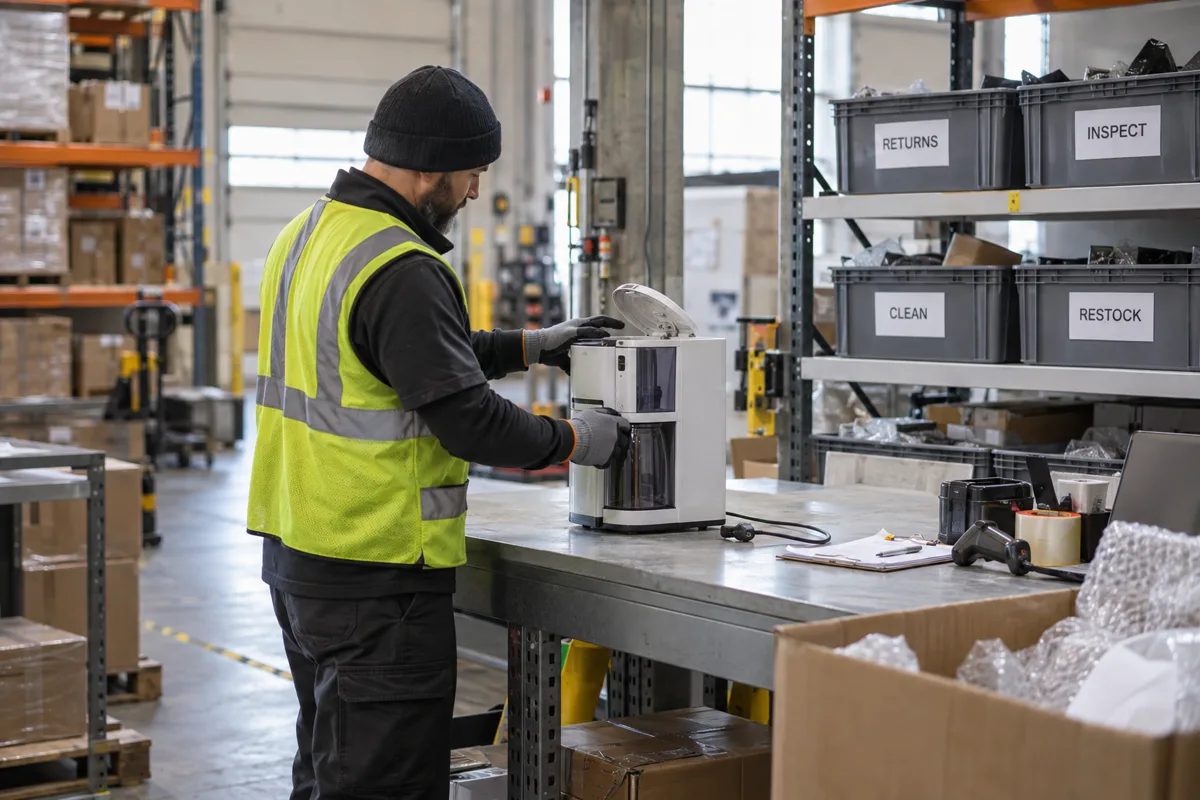
Reverse logistics doesn’t stop at getting the product back. It can also involve inspecting products for repairs, proper handling, refurbishment, recycling, resale, or recovery. The process usually starts with returning or retrieving the product, whether it comes from a customer, business location, or field site. Once it arrives, you inspect it to check its condition and determine what happens next.
Once the product is inspected, you need to decide what happens next. This is known as the disposition stage of reverse logistics. Depending on the condition and value, the product may be restocked, repaired, refurbished, resold, redeployed, recycled, or disposed of. The goal is to recover as much value as possible before treating a product as waste. Making this decision quickly can also prevent returned products from sitting in storage while taking up space and resources.
Products that cannot be reused or recovered may be sent for recycling or proper disposal. The right approach depends on the product’s condition and the value it still holds. A well-managed reverse logistics process helps you make that decision efficiently, recover value where possible, and avoid sending usable products straight to waste. It can also help reduce unnecessary transportation, handling, and replacement costs.
How Does Reverse Logistics Reduce Costs?
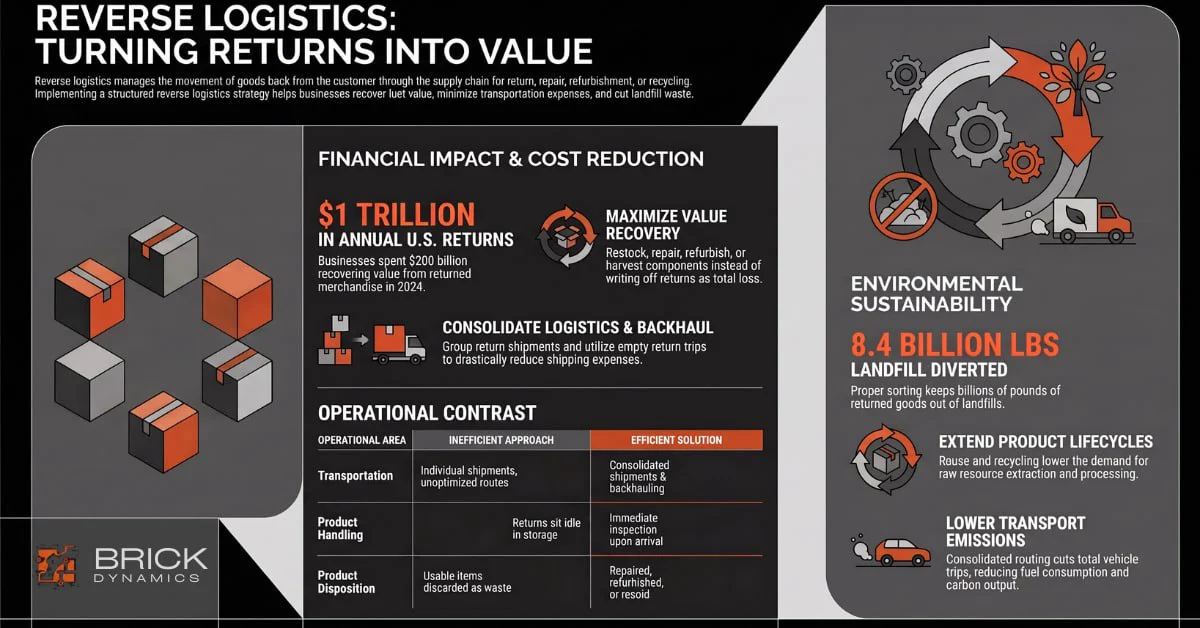
The cost of managing returns can add up quickly when the process isn’t handled efficiently. The cost is not limited to shipping alone. A returned product can also create costs for pickup, transportation, storage, inspection, labor, repair, repackaging, and disposal. U.S. consumers returned nearly $1 trillion worth of merchandise in 2024, while businesses spent an estimated $200 billion recovering value from those returns, according toMcKinsey.
Looking at the entire return lifecycle can help you identify where money is being lost and where recovery opportunities exist. An effective reverse logistics process can help you recover more value from returned products while avoiding these costs.
1. Recovering Value From Returned Products
Not every returned product needs to become a loss. After inspection, you may find that a product can be restocked, repaired, refurbished, resold, or redeployed. You can also recover usable components instead of replacing an entire product. These options help you get more value from returned goods and reduce the need to purchase replacements.
2. Reducing Transportation and Handling Costs
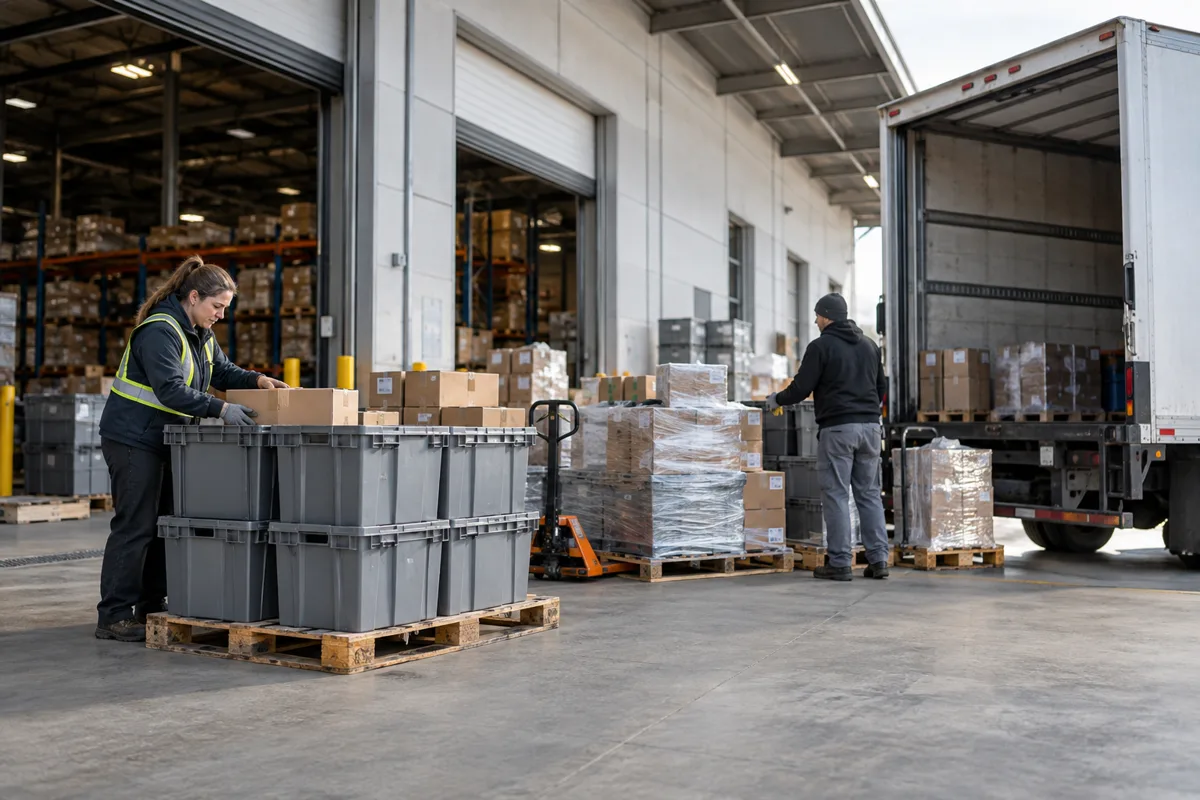
Transportation is another area where you can control reverse logistics costs. Sending individual returns over long distances can quickly increase fuel, labor, and shipping expenses. Instead, you can consolidate multiple returns into fewer shipments and plan collection routes more efficiently. Backhauling can also help by using trucks to transport returned products on their way back rather than making empty return trips.
Better planning means fewer unnecessary trips and more value from each shipment. For example, if several returns come from the same market, you can consolidate them into one pickup instead of sending separate vehicles. A delivery vehicle returning to a warehouse may also have capacity to retrieve equipment on the way back.
3. Reducing Waste and Disposal Costs
Waste is another cost reverse logistics can help control. Instead of treating every returned product as a loss, you can inspect it to see whether it can be reused, repaired, refurbished, or resold. This matters because 8.4 billion pounds of returns ended up as waste in U.S. landfills in 2023, according toOptoro.
Products that cannot be reused can sometimes be recycled, allowing you to recover materials that still have value. When disposal is necessary, efficient handling can also help avoid unnecessary processing costs.
The goal is to simply recover as much value as possible before treating a returned product as waste. The table below shows where common reverse logistics inefficiencies occur and what you can do to address them.
| Reverse Logistics Area | Inefficient Approach | Efficient Approach | Potential Benefit |
|---|---|---|---|
| Transportation | Individual return shipments and poorly planned routes | Consolidated shipments and optimized routes | Lower fuel and shipping costs |
| Product Handling | Returns sit in storage before inspection | Products are inspected soon after arrival | Faster recovery and less storage cost |
| Returned Products | Usable products are treated as waste | Products are repaired, refurbished, or resold | More recovered product value |
| Unusable Products | Products are disposed of without sorting | Materials are recycled where possible | Less waste and lower disposal costs |
| Backhauling | Trucks return empty after deliveries | Returned products move on existing return trips | Better use of transportation capacity |
What Are the Environmental Benefits of Reverse Logistics?
Another significant benefit of a reverse logistics system is its environmental impact through waste reduction. Reverse logistics gives most businesses a way to manage returned products instead of sending everything to a landfill. This keeps usable products in circulation for longer and reduces the demand for new products and materials.
1. Reuse, Repair, and Refurbishment
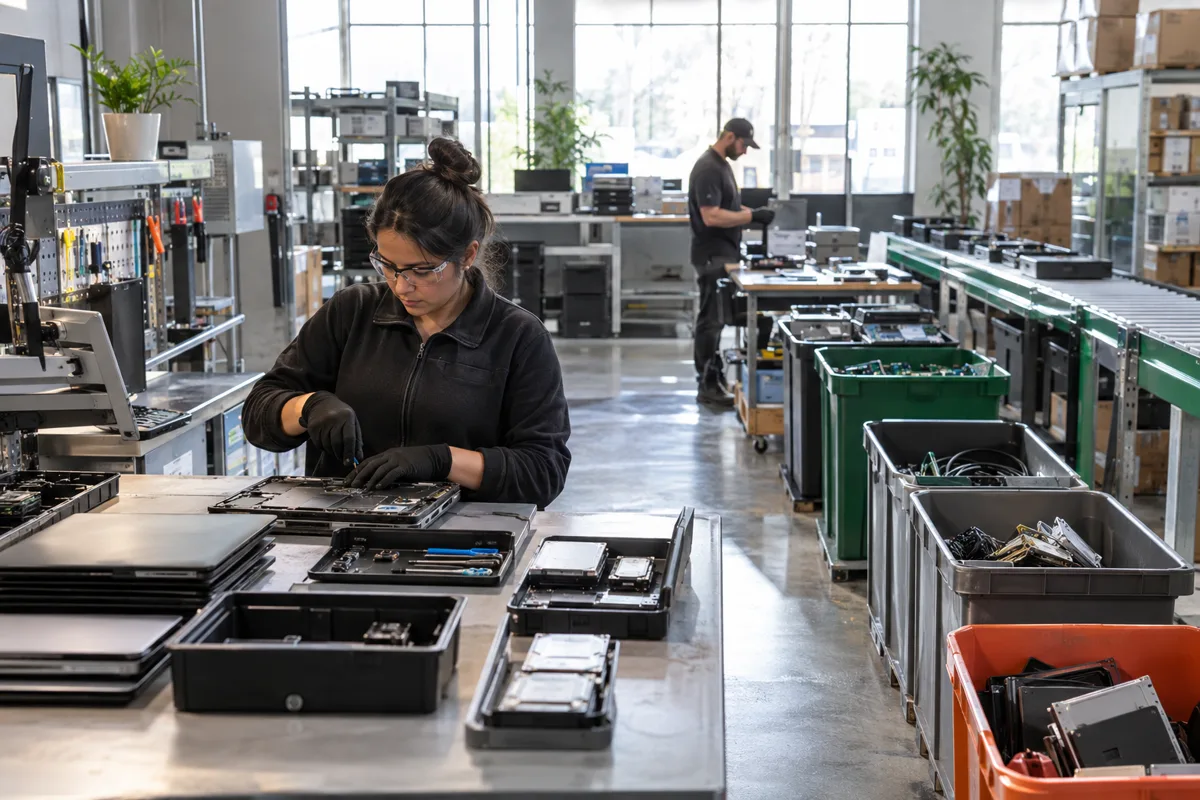
A returned product does not necessarily mean the end of its useful life. After inspection, you may find that it only needs a repair, replacement part, or refurbishment before it can be used again. Keeping these products in circulation helps extend their usefulness and reduces the need to extract and process new raw materials. It is a practical way for sustainability-focused companies to cut waste and get more value from what they already own.
2. Recycling and Reducing Landfill Waste
Recycling becomes easier when returned products are sorted and handled through a clear process. Businesses can separate materials that still have value and recover usable components from defective products that cannot be reused.
This can increase recycling rates and reduce the amount of waste that requires disposal. It also keeps more materials out of landfills and gives them another use instead of treating them as waste. Products that cannot be recovered should still be handled and disposed of through appropriate processes.
3. Reducing Transportation-Related Emissions
Reverse logistics can also reduce the environmental impact associated with transportation. Consolidating multiple returns into fewer shipments can reduce the number of trips needed to move products. You can also optimize pickup and delivery routes to avoid unnecessary transportation. Using these approaches can reduce fuel consumption and the emissions associated with moving returned goods.
When you reuse products and materials, you also reduce the need to extract and process new resources. Combined with more efficient transportation, these practices can support a lower carbon footprint and more sustainable resource utilization over time.
What Are Some Other Benefits of Reverse Logistics?
Reverse logistics can improve customer satisfaction by making returns easier and more predictable. Clear return policies, quick processing, and regular updates can reduce frustration and foster customer loyalty. When customers know what to expect, they are more likely to have a positive experience with your business.
It can also give you better visibility into your inventory and help you make better use of your assets. Tracking returned products shows you what is coming back and what condition it is in. You can then repair, refurbish, reuse, or resell eligible products instead of letting them sit idle or go to waste. This can also reduce product losses and recover value from returned items.
A reverse logistics process that is managed properly can also make your supply chain more efficient. Faster returns processing can reduce delays and help your team manage inventory and resources more effectively. Over time, these improvements can create a more organized operation while supporting the broader goals of your supply chain.
How Does Brick Dynamics Support Reverse Logistics?
Reverse logistics is about more than sending a product back to your facility. You also need the right people, space, and local support to handle the process efficiently. Brick Dynamics handles the physical side of reverse logistics. We arrange local retrieval, pickup, and warehousing. We can move products and equipment to nearby sites for receiving and inventory tracking. This gives you better visibility as returned goods move through the reverse logistics process. outsourcing reverse logistics allows businesses to focus on their core operations.
We also help manage returns, inspections, handling, and refurbishment. We coordinate equipment retrieval, redeployment, recalls, and restocking when products need to return to service. When items cannot be reused, we can handle recycling or disposal the right way. By connecting these stages through local operations, you can manage reverse logistics without building physical infrastructure in every market.
Imagine a business with 200 pieces of equipment spread across several U.S. markets. Customers are returning older units as newer models are delivered. Rather than shipping every item back individually, Brick Dynamics can arrange local pickups through its expert network, move products to local warehouses, and keep track of them as they enter storage. Each item can then be inspected and prepared for what comes next. The finished goods could be refurbished, redistributed, recovered, or properly disposed of.
This gives the business clearer oversight once a product leaves the customer. Local pickup and storage can cut down on unnecessary long-distance shipping, while stronger inventory visibility makes it easier to see what has been recovered and where it is being held. By bringing retrieval, storage, inventory management, and redistribution together, Brick Dynamics turns reverse logistics from a set of disconnected returns into a more coordinated recovery process.
This hypothetical scenario illustrates Brick Dynamics practices for reverse logistics that can help you save costs when handling returns.
How Can Reverse Logistics Benefit Your Business?
Reverse logistics offers a way to help you reduce costs while lowering the environmental impact of your operations. You can cut transportation and disposal expenses by managing returns more efficiently. Reusing, repairing, and recycling products can also keep useful materials from becoming waste. These benefits make reverse logistics more than a way to handle returns. It can become an important part of a more efficient and sustainable supply chain.
If your current return process feels costly or difficult to manage, it may be time to review it. Start by looking at where returns currently sit, how long they take to process, and what happens to them after inspection. Then look for opportunities to consolidate shipments, recover product value, and reduce unnecessary waste. You can also use tracking and better processes to keep returns moving efficiently. By improving reverse logistics, you can control associated costs while building more reliable supply chain management for your customers.
At Brick Dynamics, we help businesses handle the physical side of reverse logistics, from retrieving products to getting them where they need to go next. With local experts, real-time visibility, warehouse management systems, and logistics capabilities across our network, we can track returns, move them efficiently, and help preserve product value. If managing returns is taking too much time or costing too much, talk to Brick Dynamics about a better way to handle them.
Frequently Asked Questions
Reverse logistics does more than manage returns. It can also affect costs, customer experience, sustainability, and the wider supply chain. Here are answers to some common questions about the topic.
What Cost-Saving Benefits Can Businesses Expect From Implementing Reverse Logistics?
A well-run reverse logistics program can lower transportation, storage, disposal, and processing costs. It also gives businesses more ways to recover value from returned products, through repair, refurbishment, resale, or recycling.
How Can Reverse Logistics Enhance Customer Satisfaction?
When returns are easy to navigate, customers can resolve problems more quickly. Clear policies, timely processing, and responsive support build confidence and can make customers more likely to buy again.
What Environmental Advantages Are Associated With Reverse Logistics?
Reverse logistics can reduce waste by keeping returned products and materials in use longer. Reuse, recycling, and responsible disposal can also send less material to landfills and reduce demand for new resources.
How Can Reverse Logistics Improve Supply Chain Efficiency?
A structured process makes it easier to manage returns, inventory, and product recovery. It can also limit unnecessary transportation and help businesses get more value from the resources they already have.
What Competitive Advantages Can You Gain From Effective Reverse Logistics Practices?
An effective returns process can improve the customer experience without losing sight of operating costs. It can also support sustainability commitments and give your business a meaningful edge in a crowded market.