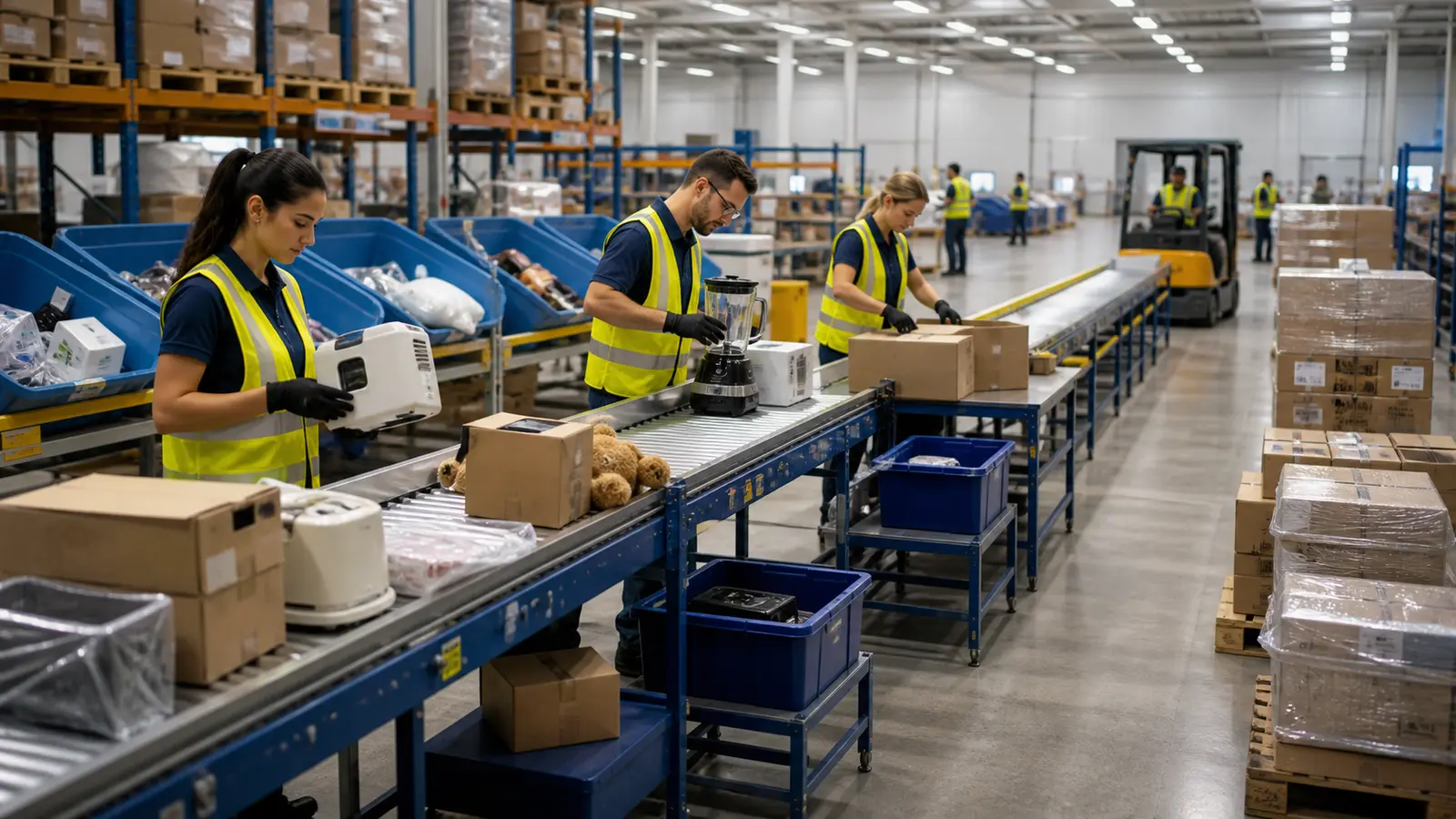
Reverse Logistics Best Practices
Reverse logistics best practices help businesses manage returns efficiently, reduce costs, recover product value, and improve customer satisfaction. Businesses with growing return volumes can apply these strategies to improve inventory handling and overall operations. Without an efficient process, returns can become expensive, slow, and difficult to manage as volumes grow.
Brick Dynamics helps physical businesses manage the local operations needed to move products efficiently through the supply chain. Our services include warehousing, first-mile and last-mile logistics, and on-the-ground operational support. These capabilities can help businesses improve returns handling, inventory movement, and reverse logistics across different markets. If your reverse logistics operation needs more capacity or local infrastructure, contact us to explore how we can support.
In this blog, we’ll explain how to use reverse logistics, cover 10 best practices, explore 3PL solutions, and share practical ways to improve your processes.
What Is Reverse Logistics?
Reverse logistics refers to what happens after your product lands in a customer’s hands. It covers everything from returns and repairs to recycling, resale, or even safe disposal. While traditional forward logistics moves products toward your customers, reverse logistics is about managing the journey back.
Returns management just deals with taking products back from customers. Reverse logistics goes further, it’s the whole process: getting items back, transporting them, checking them over, recovering inventory, fixing or refurbishing them, and figuring out what to do next. It all happens after delivery, often through several steps before a product finds its next home. Efficient reverse logistics can foster customer loyalty.
Why is Reverse Logistics Important in Supply Chain Management?
Getting reverse logistics right helps businesses stay on top of the costs and headaches that come with returns. With a smoother supply chain process, you can cut down on shipping and handling expenses, process returns faster, and keep your inventory moving instead of gathering dust.
A smooth returns experience goes a long way in keeping customers happy, especially when they get clear updates and quick refunds.Narvar research found that 96% of customers would buy again from a business that provides an “easy” or “very easy” return policy.
Businesses can get more value back by quickly spotting which products can be restocked, refurbished, resold, or recycled. As Thomas O’Brien from Brick Dynamics says, "The right logistics network helps businesses analyze products efficiently." These practices also support sustainability initiatives by reducing unnecessary waste and keeping usable products in circulation for longer.
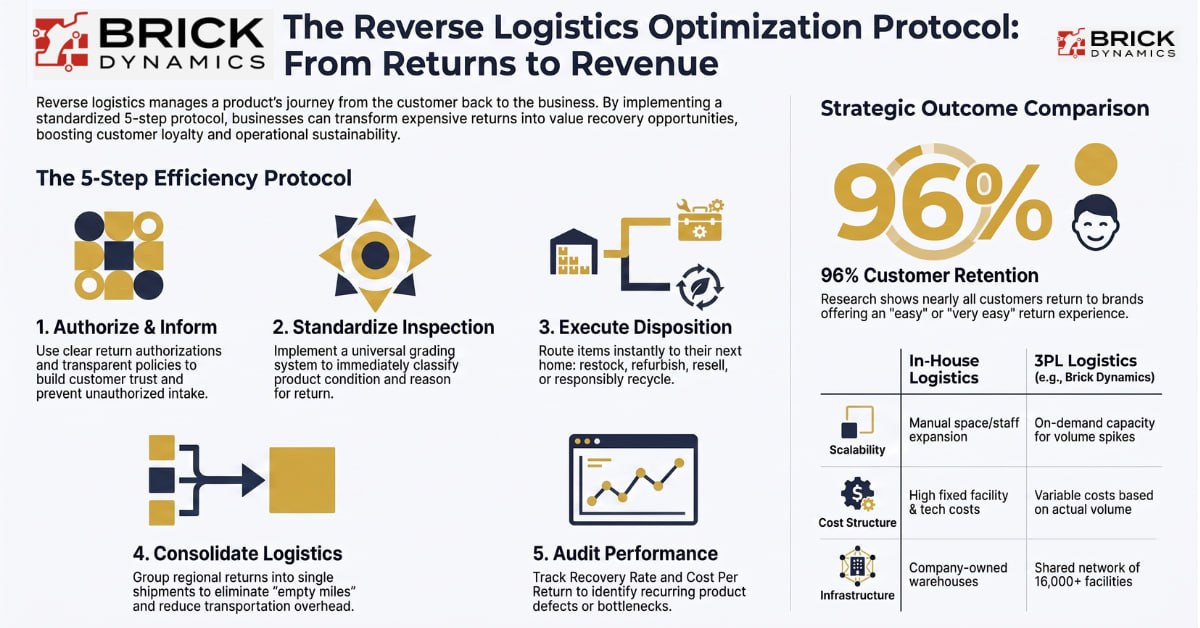
10 Reverse Logistics Best Practices
With optimized reverse logistics operations, you can take charge of returns, minimize costs, and make the most of your inventory. The right approach not only cuts down on delays but also makes things easier for your customers. Here are 10 best practices to help your business boost efficiency, recover value, and handle returns like a pro.
1. Create a Clear Returns Management Process
A clear returns process makes life easier for both your customers and your team. Implementing a simple, easy-to-read returns policy covering eligibility, deadlines, shipping, and refunds keeps everyone on the same page. Use return authorizations to confirm what comes back before anything enters your reverse logistics management. And don't forget: keeping customers updated at every step builds trust and keeps the process smooth.
Behind the scenes, standard workflows help your team handle each return consistently. These workflows should cover authorization, receiving, inspection, inventory updates, refunds, and deciding what happens to the product next. Consistency cuts down on confusion, avoids extra handling, and keeps returns moving quickly through your operation.
2. Standardize Returns Inspection and Processing
When you receive the returned product, your team needs a clear, simple way to decide what's next for the product. Inspect the product for damages, missing parts, or anything else that affects its use before logging the products condition, reason for return and when it arrived. A clear grading system can then classify products based on condition and determine whether they can be resold, refurbished, recycled or sent to the repair department.
Good records make every decision traceable and help your team spot trends in returns. Record inspection results, product condition, disposition decisions, and any repairs made. Standardizing these steps reduces mistakes, speeds up processing, and helps businesses get more value from returned inventory.
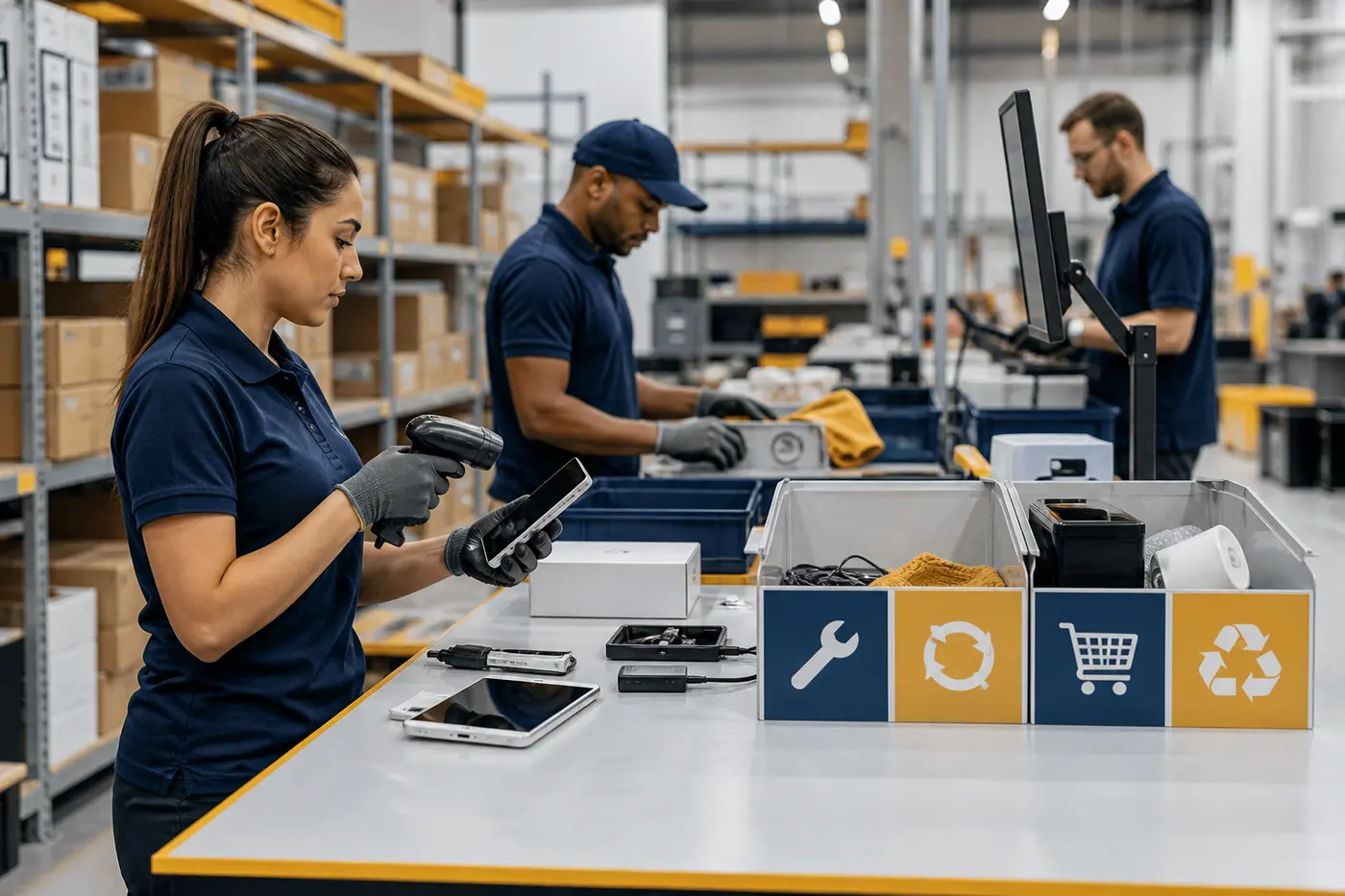
3. Establish Clear Product Disposition Rules
Not every returned product should go straight back onto the shelf. With clear rules, deciding whether to restock, refurbish, repair, resell, recycle, or dispose of an item becomes easier. Products in good condition may be returned to inventory, while damaged items may require repair or refurbishment before resale. Items with limited resale potential can be sold through secondary channels, while unusable products may be recycled or responsibly disposed of.
Clear disposition rules help your team make faster decisions and avoid unnecessary handling. They also help businesses recover more value from returned inventory while reducing waste. By matching each product with the right next step, you can keep usable goods moving and limit avoidable losses.
4. Optimize Transportation and Return Routes
Transportation is often one of the biggest expenses in reverse logistics, especially when returns move in small, separate shipments. By consolidating returns, you can cut down on extra trips and make the most of every mile. Smarter routing helps teams plan efficient pickups and deliveries, avoiding empty miles. And when you process returns closer to where your customers are, you shrink travel time, save costs, and get products moving faster.
5. Improve Inventory Management and Restocking
Don’t let returns gather dust in the warehouse. Update your inventory records right after you receive and inspect each product, so your team always knows what’s on hand. Quickly spot what can go back on the shelf and restock anything that meets your standards. Moving fast keeps your inventory accurate, cuts storage costs, and helps you recover more value from every return.
6. Automate Reverse Logistics Processes
Automation takes the repetitive work off your team’s plate and makes returns easier to track. With automated returns management systems, businesses can streamline tracking and reduce manual errors. Systems can handle requests, approvals, and processing all in one spot. Barcode scanning speeds things up and cuts down on mistakes.
Automated workflows help returns move smoothly from receiving to restocking, without constant manual check-ins. And when you connect your e-commerce platform to your warehouse management system, your orders, inventory, and returns all stay in sync.
7. Use Real-Time Tracking and Data Analytics
Real-time tracking helps your team see exactly where returns are and how fast they’re moving. By following each return, you can catch delays early, keep tabs on processing times, and mange customer expectations every step of the way.
Data analytics can also show why products come back and whether certain issues happen repeatedly. Reviewing these reasons and product data can reveal recurring defects, packaging problems, or other issues worth addressing. These insights help you streamline your operation and cut down on unnecessary returns in the future.
8. Consolidate Returns to Reduce Costs
Consolidating returns is a smart way to cut down on the number of separate shipments in your reverse logistics network. Rather than sending every return on its own, you can bundle products together for more efficient transportation. Local collection points help by gathering returns before they head to regional facilities, making everything smoother. Handling returns regionally can shrink travel distances, speed up shipments, meet customer demands and save money on transportation.
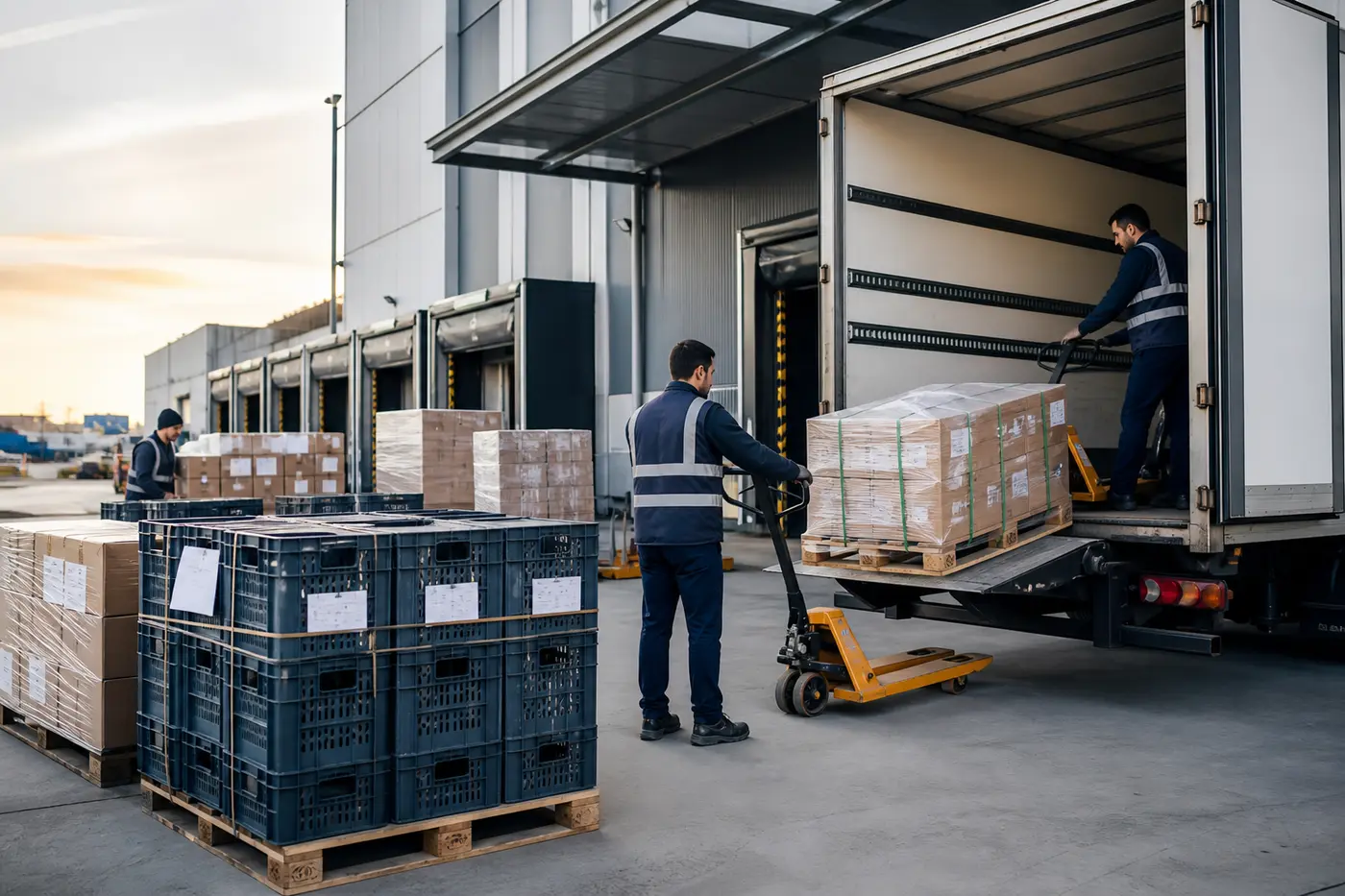
9. Build Sustainability Into Reverse Logistics
Sustainability efforts in reverse logistics involves keeping returned products out of landfills whenever possible. TheEnvironmental Protection Agency (EPA) reports that containers and packaging generated 82.2 million tons of U.S. municipal solid waste in 2018, accounting for 28.1% of total generation. With packaging making up such a significant share of the waste stream, responsible product handling can help businesses reduce unnecessary waste.
Refurbishing or reselling returned items extend product life cycle while helping businesses recover more value. Recycling programs keeps usable materials in circulation, while responsible disposal provides a safer option for products that cannot be recovered. Businesses can further reduce their environmental impact by consolidating shipments and choosing processing locations that limit unnecessary transportation.
10. Know When to Partner With a 3PL
Managing a solid reverse logistics plan on your own gets tricky when returns pile up or your business moves into new markets. That’s where a third-party logistics (3PL) partner comes in. They bring warehousing, transportation, and experienced teams right to your doorstep. Plus, you get access to smart tech for tracking returns, managing inventory, and seeing the big picture. Outsourcing means you don’t have to hire extra staff or scramble for space in new markets. And if your return volumes go up or down, a 3PL gives you the flexibility to scale without starting from scratch.
How to Choose a 3PL for Reverse Logistics
Finding the right 3PL partner starts with looking at the track record of the logistics providers and what other businesses have to say about them. You want a provider who knows the ins and outs of returns, inspections, restocking, refurbishing, and figuring out what to do with every product that comes back. As Thomas O'Brien, team member at Brick Dynamics explains “The right 3PL should do more than move products. They should provide the infrastructure, expertise, and flexibility your business needs to operate well.”
Check its technology, including returns management systems, inventory tools, tracking capabilities, and reporting. And make sure they have the warehouse space and geographic reach to keep your operation running smoothly, especially if you serve customers in different markets.
It’s also smart to see how easily your 3PL can adapt to your needs as returns go up or down. Look for flexible services, scalable space, clear reporting, and real-time shipment tracking. Of course, pricing matters, but weigh the total value, not just the sticker price. The best 3PL partner won’t just fit your needs today, they’ll give you room to grow, so you’re not reinventing your reverse logistics every time your business changes.
What are the Reverse Logistics KPIs to Track
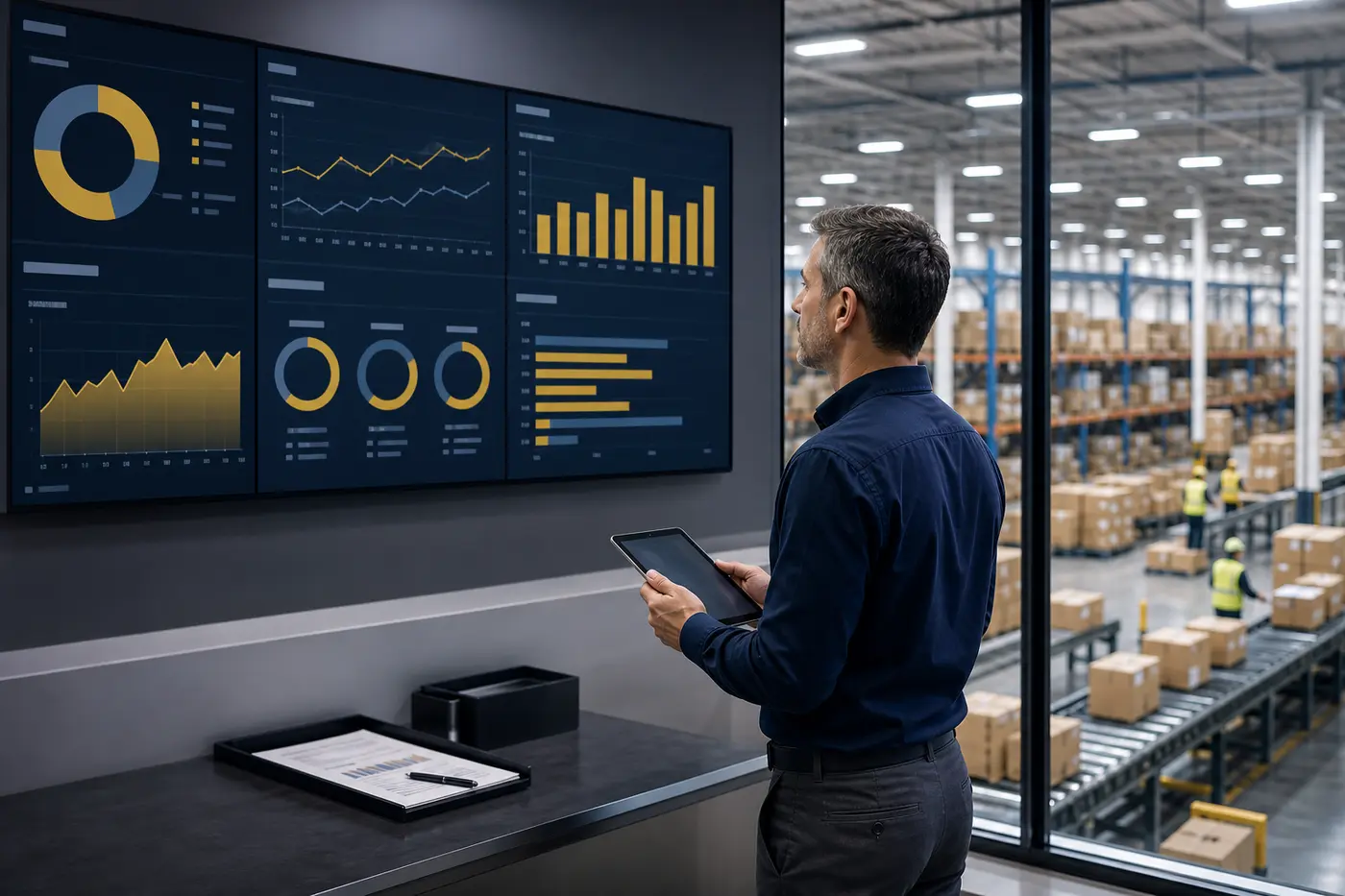
Tracking the right reverse logistics KPIs gives you a clear view of where returns are eating up time, money, or inventory. Key metrics include: return rate, processing time, cost per return, recovery rate, and how long it takes to get refunds out the door. A spike in returns might mean there’s a problem with the product or how it’s shipped. If returns take too long to process, that ties up your inventory and can frustrate customers.
Cost per return shows how much you’re spending to handle each item, while recovery rate tells you how much value you’re getting back through resale, refurbishment, or recycling. Track return reasons and customer satisfaction because recurring issues might signal product or packaging management. Fast refunds build customer loyalty, keep customers happy, and strong recovery rates help your margins. Review these KPIs often to spot problems, cut costs, and keep reverse logistics running smoothly.
How to Improve Your Reverse Logistics Process
Your reverse logistics efficiency improves when you understand how your current process works from return initiation to final disposition. Audit each stage, identify bottlenecks, and use return data to find delays, frequent return reasons, and recurring product issues. With this, your team gets a clearer view of where costs and time are being lost.
Once you know the problem areas, standardize workflows so every return follows a consistent process. Introduce technology where manual tasks slow your team down, then connect your systems for better tracking and inventory visibility. Review performance regularly using metrics such as cycle time, which measures how long it takes a return to move from the customer back through the reverse logistics process.
Common Reverse Logistics Challenges and Solutions
High return costs can eat into your margins when every return means more transport, handling, and processing. Grouping shipments cuts down on extra trips and uses transportation better. If there is delivery failure, returns get stuck in slow processing, customers wait, and inventory sits idle. Standardized workflows for receiving and inspecting returns help your team move things along quickly and consistently.
Lack of visibility makes it tough to track where returns are or what’s next. Real-time tracking helps you plan labor, monitor shipments, and keep customers in the loop. When returned products just sit, excess inventory builds up fast. Clear rules for what happens next, whether it be restock, refurbish, resell, recycle, or dispose can keep inventory moving and avoid bottlenecks.
The need for heavy labor drives up reverse logistics costs, especially if you’re relying on manual work. Automation can take care of repetitive tasks, and a 3PL partner brings extra hands and know-how when you need it. If returns spike or your business value grows fast, outsourcing gives you instant access to more warehouse space, transportation, and processing, without having to build it all from scratch.
In-House vs. 3PL Reverse Logistics
If you’re handling a reasonable number of returns, managing logistics in-house gives you more control. But when things get busier or harder to scale, a 3PL brings the infrastructure and flexibility you need.
The U.S. already has thousands of warehousing facilities supporting the movement and storage of goods.Census Bureau data counted 16,753 general warehousing and storage establishments in 2023. A 3PL can give businesses access to this type of infrastructure without requiring them to build and operate every facility themselves. Here’s a quick look at when each option makes sense.
|
Factor |
In-House Reverse Logistics |
3PL Reverse Logistics |
|
Control |
More control over processes and decisions |
Shared control based on the service agreement |
|
Infrastructure |
You provide the warehouses, equipment, and systems |
The 3PL provides existing infrastructure |
|
Costs |
Higher fixed costs for facilities, staff, and technology |
More variable costs based on services and volume |
|
Labor |
You recruit, train, and manage your team |
The 3PL manages the required logistics labor |
|
Technology |
You purchase and maintain your systems |
Technology is often included within the service |
|
Scalability |
Growth may require more space, staff, and equipment |
Capacity can usually adjust with changing volumes |
|
Geographic coverage |
Requires building your own network |
Existing locations can provide faster market coverage |
|
Expertise |
Relies on your internal team's knowledge |
Provides specialized logistics experience |
|
Visibility |
Direct access to your own operations and data |
Depends on the provider's reporting and tracking tools |
|
Best suited for |
Businesses needing high control or specialized processes |
Growing businesses needing flexibility and operational capacity |
There’s no one-size-fits-all answer. In-house reverse logistics works if you’ve got the team and setup to handle returns smoothly. A 3PL is smart when you need extra capacity, better tech, or broader reach, without building it all from scratch. Pick the option that fits your return volume, needs, and growth plans.
How Does Brick Dynamics Supports Reverse Logistics?
Reverse logistics runs best when you’ve got reliable, on-the-ground support keeping returns moving from collection and storage to processing and redistribution. Brick Dynamics helps by providing local warehousing, inventory management, fulfillment, and logistics support, so you don’t have to build it all yourself. Our network covers 65+ U.S. metros, giving you local backup whenever and wherever your needs shift.
We’re also here when you need operational efficiency and flexibility. Like when returns spike or you branch out into new markets. On-demand warehousing gives you extra space when you need it, and our local logistics team keeps inventory flowing smoothly between locations. It’s a flexible approach that lets you handle returns, market growth, or busy seasons without missing a beat.
For Example: Picture an e-commerce company struggling with more and more returns in markets across the U.S. Their main warehouse gets overwhelmed and inspections slow down, transportation costs go up, and returns pile up. In this situation, Brick Dynamics steps in with local warehousing, returns processing, inventory tracking, and transport support, moving returns through regional centers closer to customers.
That way, products get inspected and quickly sorted for restocking, refurbishing, resale, recycling, or disposal. With this setup, the company cuts down on extra transportation, sees exactly where returns are, and processes them faster. They recover more value from items that can be resold without needing to build new warehouses.
This is an hypothetical example that shows how Brick Dynamics offers the flexible local operations needed for smarter, more efficient reverse logistics.
How Can Better Reverse Logistics Improve Your Business?
Smart reverse logistics means fewer return costs, faster processing, more value recovered from inventory, and less waste. Clear return policies, standardized workflows, efficient shipping, accurate inventory, automation, and real-time tracking all help your team manage returns with less hassle. Tracking the right metrics shows you where things get stuck, why returns happen, and how you can keep improving.
When returns pick up, managing everything in-house can stretch your team, space, and budget thin. That’s when a 3PL partner becomes valuable. They bring logistics infrastructure, know-how, and local support, so you don’t have to build it all yourself. As Tim has said “Utilizing existing infrastructure gives businesses the capacity to handle returns more efficiently, without the cost and time of building new operations from scratch.”
Our team at Brick Dynamics makes reverse logistics easier with local warehousing, transportation, and hands-on support. Our flexible infrastructure can help businesses handle returns, move inventory, and scale operations without building every local capability themselves. If reverse logistics is getting tough to manage, contact us, let’s discuss a setup that works better for you.
Frequently Asked Questions
Still have questions about reverse logistics best practices? Here are answers to some common questions about returns, technology, costs, 3PLs, and improving your reverse logistics process.
What Are the Key Components of a Successful Reverse Logistics Strategy?
A strong reverse logistics strategy means clear returns, smooth processes, and efficient shipping. With the right tech, tracking, and partners, you’ll lower costs and keep operations running smoothly.
How Can Businesses Optimize Their Reverse Logistics Processes to Reduce Costs?
Businesses can reduce reverse logistics costs by consolidating shipments, optimizing transportation routes, and using efficient returns processing systems. Partnering with reliable 3PL providers can also provide access to shared infrastructure, technology, labor, and transportation capacity.
What Role Does Customer Experience Play in Reverse Logistics Best Practices?
A simple returns process begins with clear instructions, timely updates, and fast refunds, and can make returns less frustrating for customers. This experience can strengthen trust, improve satisfaction, competitive advantage and have customers buying from the brand again.
How Can Brands Ensure Sustainability and Environmental Responsibility in Their Reverse Logistics Practices?
Brands can shrink their environmental footprint by focusing on refurbishment, resale, recycling, and safe disposal for returns. Bundling shipments and using local processing centers also cuts down on extra transport and emissions.
What Metrics Should Businesses Track to Measure the Effectiveness of Their Reverse Logistics Processes?
Track return rates, processing times, cost per return, recovery rates, refund speed, and customer satisfaction. Keep an eye on return reasons, refurbishment costs, and sustainability metrics to spot improvements and measure reverse logistics success.