
The Ultimate Guide To Brand Activation Strategy
Brand activation strategy shapes how brands connect with people in real life and across digital platforms. It combines experiential marketing, social media campaigns, and interactive experiences to create real connections with a target audience. A strong brand activation strategy helps increase brand awareness, create buzz, and build brand loyalty over time.
Planning a brand activation and need the right support behind it? Brick Dynamics works with businesses to manage brand activation campaigns with coordinated logistics and on-site execution. Contact us to deliver memorable experiences that connect with your audience and drive results.
This blog explains what a brand activation strategy is, how to build and execute one effectively, and the key elements that drive engagement, awareness, and measurable results.
What Is Brand Activation Strategy?

Brand activation strategy is a marketing approach focused on engaging a target audience through direct, meaningful interactions. Instead of passive advertising, it creates a hands-on experience that allows potential customers to connect with a brand. These activations often take place in pop-ups, trade shows, or everyday spaces with high foot traffic. The goal is to move beyond visibility and create memorable experiences that leave a lasting impression. We use this approach to help brands build emotional connection and strengthen overall brand sentiment.
A successful brand activation strategy aligns with brand values and speaks directly to audience needs. It focuses on creating moments that feel relevant, engaging, and easy to share. Many brand activation campaigns now include user-generated content and social sharing to extend reach. We use these strategies to increase brand awareness beyond the physical event. Over time, these efforts support future campaigns and long-term growth.
What are the Key Components of Brand Activations?

Strong brand activation efforts rely on a clear structure that guides execution from start to finish. Each component plays a role in how the activation reflects the brand and connects with consumers. When these elements work together, they create a smooth and engaging experience. Missing one piece can reduce impact and limit overall success. The goal is to build a brand playbook that can be repeated and improved.
Creating meaningful experiences is the foundation of any effective brand activation strategy. We focus on creating more than promotion; they want something they can explore and enjoy. This could include interactive exhibits, gamified experiences, or pop-up experiences. These elements help turn visitors into active participants. As a result, brands create stronger engagement and deeper connections.
We also use engagement tactics to increase visibility and attract attention in competitive environments. This includes social media campaigns, influencer content, and digital campaigns that amplify reach. Strong activations also encourage social engagement and social sharing. These actions help extend the campaign beyond the physical location. This is how brands create buzz and reach a wider audience.
Understanding the target audience is another critical component. We develop a deep understanding of customer behavior, interests, and pain points. Detailed personas help guide decisions around messaging, design, and interaction. This ensures the activation feels relevant and intentional. It also improves the chances of connecting with potential customers. According to the International Council of Shopping Centers, 97% of Gen Z consumers visit physical stores, reinforcing the importance of in-person brand experiences. As Thomas O’Brien explains, “People remember how a brand made them feel, not just what it showed them.”
How Do You Develop a Brand Activation Strategy?

We develop successful brand activation strategies through a structured approach that connects planning with execution. Each stage builds on the previous one to ensure clarity and direction. Without structure, campaigns can feel disorganized and ineffective. A clear process helps teams stay aligned and focused. This improves both execution and measurable results.
To guide this process, we use the A.C.T.I.V.E framework to structure each activation strategy. Our framework ensures that every campaign is aligned with business goals and audience expectations. It also makes it easier to measure success and refine future campaigns. Each step focuses on a key part of the activation journey. Together, they create a complete and effective brand activation plan.
A- Align Objectives
Every successful brand activation strategy starts with clear objectives. We help brands identify what they want to achieve, whether it is boosting sales or building brand awareness. Clear objectives guide every decision in the campaign. They also help define key performance indicators for measurement. Without this, it becomes difficult to track success.
C- Clarify Target Audience
Understanding the target audience is essential for creating meaningful engagement. This involves identifying detailed personas, behaviors, and preferences. A deep understanding helps tailor the experience to the audience’s needs. It also ensures messaging feels relevant and personal. This improves overall engagement and impact.
T- Test Concepts
Before full execution, brands should test ideas and activation concepts. This helps identify what works and what needs adjustment. Testing reduces risk and improves overall performance. It also allows teams to refine the experience before launch. This step is often overlooked but highly valuable.
I- Implement Experiences
We focus on implementing the activation through experiential marketing. This includes pop-ups, interactive experiences, and live events in high-foot-traffic areas. Execution must align with the original concept and brand values. Strong logistics coordination is critical here. This guarantees a seamless and engaging experience.
V- Validate Performance
Once the campaign is live, we measure performance using key performance indicators. This includes event attendance, social engagement, and brand sentiment. Data collected during the activation provides valuable insights. It also helps evaluate success and identify improvements. This step connects execution with measurable outcomes.
E- Evolve Strategy
The final step focuses on learning and improving future campaigns. Insights gathered help refine the overall marketing strategy. Brands can adjust messaging, formats, or engagement tactics. In some cases, small changes lead to better results. This ensures sustained growth and ongoing improvement.
Real Brand Activation Example
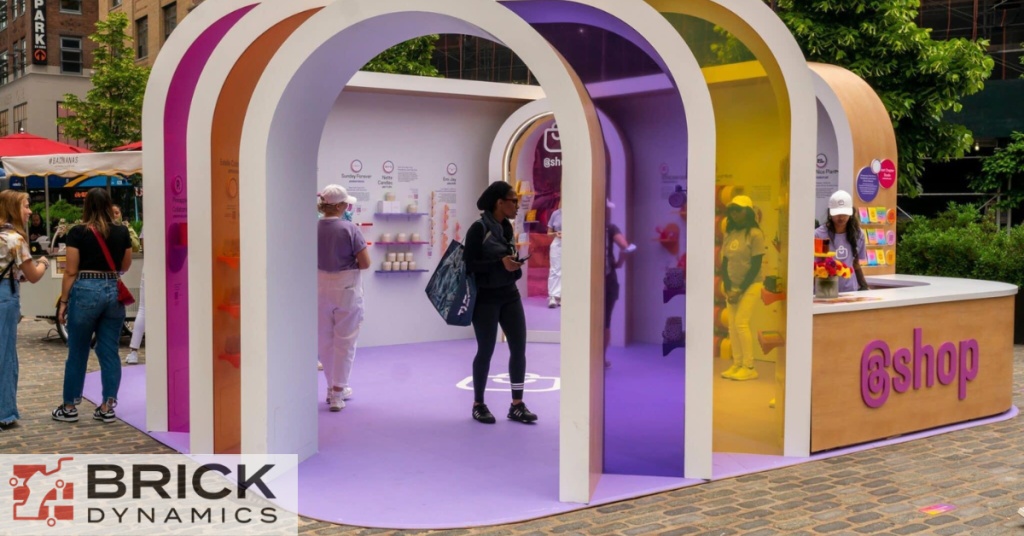
In one activation project, we supported a multi-location pop-up campaign designed to promote a new product launch across several cities. Our team managed inventory coordination, shipping schedules, and on-site setup to ensure each location opened on time. This included handling branded materials, coordinating vendors, and maintaining consistency across every site. As a result, the campaign achieved strong foot traffic and consistent audience engagement across locations. The structured execution helped the brand deliver a seamless experience at every touchpoint.
The activation succeeded because logistics and strategy were aligned from the start. By centralizing operations and using real-time coordination, delays were reduced, and execution remained consistent. This allowed the brand team to focus on customer interaction and engagement. It also improved delivery accuracy and overall campaign performance. This example shows how a strong brand activation strategy directly impacts results.
What Are the Benefits of Brand Activation Strategy?
Brand activation strategy offers several advantages that support both short-term and long-term business goals. These benefits go beyond visibility and focus on real engagement. When executed properly, activations deliver measurable value. They also help brands stand out in competitive markets. This makes them an important part of the modern marketing strategy.
One major benefit is increased brand awareness and visibility. We design activations in everyday spaces and high-traffic locations that attract attention quickly. This helps brands reach new audiences and potential customers. It also creates opportunities for social sharing and digital exposure. As a result, brands can expand their reach effectively.
Another key advantage is stronger customer engagement and interaction. Interactive experiences encourage participation and create memorable moments. These experiences help build an emotional connection with the audience. When people feel involved, they are more likely to remember the brand. This strengthens long-term relationships and loyalty.
Brand activation also supports measurable impact on sales and performance. We help create campaigns that drive immediate results through product launches and promotions. At the same time, they contribute to long-term brand loyalty. According to the U.S. Small Business Administration, structured marketing strategies can improve performance by up to 30%. This shows how a well-defined brand activation strategy supports both short-term and long-term growth. As TJ Hennessy notes, “Strong activations turn engagement into measurable business results.”
How Do Different Brand Activation Strategies Compare?
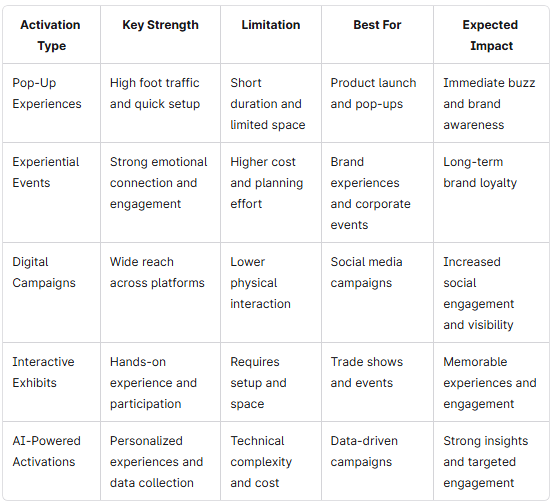
Different brand activation strategies deliver different results depending on the objective, audience, and execution style. Some approaches prioritize visibility, while others focus on engagement, data collection, or long-term brand loyalty. Understanding these trade-offs helps brands choose the right strategy for each campaign. The comparison below outlines how common activation types perform across key factors. This makes it easier to evaluate which approach aligns best with your goals.
What Challenges Exist in Brand Activation Strategy?
Brand activation campaigns often come with challenges that can affect execution and results. These challenges are common, especially in complex campaigns. Understanding them early helps teams prepare better. It also reduces risk during execution. Addressing these issues improves overall campaign success.
One common challenge is aligning the activation with brand values. A campaign may look creative, but fail to reflect the brand properly. This can confuse the audience and weaken brand identity. Ensuring consistency across messaging and design is essential. This keeps the activation authentic and meaningful.
Measuring success can also be difficult without clear metrics. Brands often struggle to track return on investment and overall impact. Using key performance indicators helps provide clarity. These include engagement levels, attendance, and social metrics. This makes it easier to evaluate performance.
Logistics and execution challenges can also affect outcomes. Delays, coordination issues, or poor planning can disrupt the experience. In some cases, even small errors can impact the entire activation. Working with experienced teams helps reduce these risks. This ensures smoother execution and better results.
It also depends on the type of activation and business goals. Some campaigns focus on immediate sales, while others prioritize engagement or awareness. Budget, location, and audience type can influence strategy decisions. In some cases, simpler activations perform better than complex setups. This is why flexibility is important in execution. As Thomas O’Brien explains, “The most effective activation strategy is built on understanding what truly matters to the audience.”
Many brands assume that creativity alone guarantees a successful brand activation, but this is a common mistake. Without clear objectives, proper logistics, and defined key performance indicators, even creative campaigns can fail. Another misconception is that bigger budgets always deliver better results, which is not always true. In many cases, simple and well-targeted activations perform more effectively. Avoiding these mistakes helps improve both execution and overall campaign success.
Unlock Your Brand’s Potential Today
Brand activation strategy continues to play a key role in how brands connect with audiences in meaningful ways. The most successful brand activation campaigns combine creativity, structure, and strong execution. This guide stands out by providing a clear framework, practical insights, and data-backed guidance for better results. When applied effectively, these strategies help create memorable experiences that drive engagement and growth. If you are planning a brand activation, connect with Brick Dynamics to support your campaign from concept to execution.
Frequently Asked Questions
Here are quick answers to common questions about building and executing a brand activation strategy.
What Are the Key Components of a Brand Activation Strategy?
A strong brand activation strategy includes clear objectives, a defined target audience, and a structured activation plan aligned with brand values. It should also focus on interactive experiences, measurable goals, and engagement tactics that create memorable experiences.
How Can I Measure the Effectiveness of My Brand Activation Efforts?
Effectiveness can be measured using key performance indicators such as engagement rates, foot traffic, social media interactions, and first-party data. In some cases, success depends on whether the goal is brand awareness, customer engagement, or boosting sales.
What Are Some Successful Brand Activation Examples from Well-Known Companies?
Successful brand activation campaigns often use pop-ups, interactive exhibits, and live events to create buzz and attract participants. These campaigns focus on shareable moments, social engagement, and hands-on experiences that strengthen brand awareness.
How Can I Create a Budget-Friendly Brand Activation Strategy for a Small Business?
Small businesses can focus on simple pop-up experiences, everyday spaces, and interactive ideas that encourage social sharing without high costs. Strategic planning, clear objectives, and understanding audience pain points help maximize impact with limited resources.
What Role Does Social Media Play in Brand Activation Strategies?
Social media extends brand activation campaigns beyond the physical event through social feeds, influencer content, and user-generated content. It helps increase reach, drive engagement, and create organic buzz that supports long-term brand awareness.