
Trade Show Logistics Companies
Some of the best trade show logistics companies are UPS Trade Show Services, Three Way Logistics, Global Experience Specialists (GES), and Nimlok. These companies manage everything required to get your exhibit to the show floor on time and out without incurring costly surprises. From transportation to on-site setup, they handle the details that keep your event running smoothly.
Need a trusted trade show logistics provider? Brick Dynamics leverages years of US-based experience, hands-on event coordination, and reliable shipment management to keep your exhibits on time and protected. Speak with a consultant today to enjoy a stress-free experience at your next trade show.
In this post, we’re covering the top 10 trade show logistics companies and sharing proven tips on how to pick the right one for your exhibition.
Top 11 Trade Show Logistics Companies
We reviewed each company based on their services and how well they handle logistics from start to finish. We also considered reliability, experience with different types of events, and how their offerings fit various exhibitor needs.
1. Brick Dynamics
Best Use Cases: Multi-city product launches, back-to-back activations
Brick Dynamics is a modern logistics and operations provider built for brands running frequent, high-touch activations. They position themselves as an embedded operations partner rather than a traditional freight forwarder, focusing on local execution and ongoing operational support.
Their core offering is Local Operations as a Service, supported by a unified platform for real-time collaboration and inventory visibility. Through this model, Brick Dynamics manages secure warehousing, inventory management, field delivery, and equipment retrieval for demos and rentals, all executed by in-market operators following strict SOPs.
Pros:
- Strong real-time visibility and centralized control
- Reduces reliance on fragmented vendors
- Excellent reverse logistics capabilities
Cons:
- May be excessive for simple, one-time shipping needs
2. Global Experience Specialists (GES)
Best Use Cases: Large convention exhibitors, international trade shows, full-service show management
GES is one of the most established names in the trade show industry and frequently serves as the Official Service Contractor for major conventions. The company delivers door-to-floor logistics within a broader ecosystem that includes exhibit rentals and custom builds through its Spiro agency.
GES specializes in navigating strict venue target dates and material handling requirements, managing inbound freight, on-site handling, storage, and outbound shipping as a single workflow. In addition, their Transportation+ program offers round-trip domestic shipping under 5,000 lbs with discounted material handling.
Pros:
- Strong integration with venue operations
- On-site oversight through final outbound shipments
- Consolidated billing across services
Cons:
- Personalized attention can be limited during peak seasons
3. Freeman
Best Use Cases: Enterprise exhibitors, large-scale trade shows, experiential marketing programs
With nearly a century of experience and a significant 12.7% market share in the U.S. event planning industry, Freeman is the most recognized name in the exhibition world. They are known for their extensive infrastructure and a comprehensive approach that integrates exhibit design with transportation and on-site labor.
Freeman Transportation prides itself in a transparent system, offering Roundtrip Ready bundles that allow exhibitors to save up to 10% on both shipping and material handling. Their system is designed to eliminate the hidden costs often associated with third-party carriers, such as driver wait times and unexpected surcharges. Because they are often the general contractor for the event, shipping with Freeman ensures your crates are among the first to arrive at your booth space.
Pros:
- Extensive industry experience
- Strong venue and labor relationships
- End-to-end service capabilities
Cons:
- Higher costs compared to smaller providers
4. UPS Trade Show Services
Best Use Cases: Time-sensitive shipments, small to mid-sized exhibitors, domestic trade shows
UPS Trade Show Services extends UPS’s transportation network into the trade show environment, focusing on reliable, time-definite delivery. The service is designed for exhibitors who value predictability and carrier accountability. UPS supports advance warehouse delivery, direct-to-show shipping, and return logistics, with robust tracking throughout transit. While on-site services are limited, their strength lies in transportation reliability and network scale. Pricing follows standard UPS freight and service rates, with additional trade show handling fees. This structure is familiar and easy to budget for existing UPS customers.
Pros:
- Reliable, time-definite delivery
- Strong shipment tracking
- Straightforward pricing
Cons:
- Limited on-site operational support
5. DHL Trade Fairs & Events
Best Use Cases: International exhibitors, customs-heavy shipments, global trade fairs
If your trade show calendar includes stops in Munich, Dubai, or Shanghai, DHL is a top-tier contender. They have been specializing in exhibition logistics since 1926 and maintain dedicated Trade Fairs & Events offices in more than 30 countries. Their expertise extends beyond simple transport to include professional packaging, inventory management, and even the rental of audio-visual equipment. Pricing is customized based on shipment size, destination, and customs requirements, reflecting DHL’s global reach and compliance expertise.
Pros:
- Excellent international and customs support
- Global network coverage
- Strong regulatory expertise
Cons:
- Less competitive for domestic-only shows
6. Expo Logistics
Best Use Cases: Heavy machinery transport, oversized exhibits, and high-volume North American freight.
Expo Logistics is a specialized carrier focusing on the heavy-duty side of exhibition freight. They are a high-capacity logistics engine designed to move Less-Than-Truckload (LTL) and full truckload shipments with extreme reliability. They specialize in navigating the complex marshaling yard systems of major convention centers, ensuring that drivers are prepared for the specific check-in and unloading procedures that often delay standard carriers.
Their core capability is priority handling for trade show assets. They utilize a network of regional hubs to consolidate exhibition materials, allowing them to offer time-definite deliveries that align with venue target dates. They also provide Direct-to-Show and Advance Warehouse options, giving exhibitors flexibility based on their move-in schedule.
Pros:
- Flexible and exhibitor-focused
- Competitive pricing
- Strong communication
Cons:
- Limited international capabilities
7. Nimlok
Best Use Cases: Brands using modular or portable display systems that require frequent reconfiguration and storage.
Nimlok is a build-and-ship specialist that integrates exhibit fabrication with logistics. Their philosophy is centered on modularity, creating booth assets that are designed to be logistics-friendly. Because they manufacture the displays, they have an inherent advantage in packing and kitting assets to minimize shipping volume and prevent transit damage.
Their logistics service includes full asset management, domestic and international shipping, and secure warehousing. They partner exclusively with Sho-Link for professional installation and dismantle (I&D), ensuring that the labor on-site is specifically trained on Nimlok’s proprietary framing systems. This turnkey approach means the exhibitor’s only job is to show up and start networking.
Pros:
- Strong exhibit-logistics integration
- Simplified vendor management
- Consistent execution
Cons:
- Less flexible for standalone logistics
8. Trade Show Supply
Best Use Cases: Brands that want a custom look on a rental budget and need a partner to handle every logistical detail.
Founded in 1994, Trade Show Supply is a specialized provider that delivers turnkey exhibit solutions across more than 20 U.S. cities, with core hubs in Las Vegas and Orlando. They offer a strategy-driven approach that integrates custom booth design and rentals with certified on-site labor and transportation management. By handling everything from graphic production to secure warehousing, they eliminate the logistical burden for brands focused on high-impact engagement. This comprehensive model ensures streetwise execution, allowing exhibitors to maximize their ROI while the company manages the complexities of the show floor.
Pros:
- Eliminates long-term warehouse and maintenance costs
- High budget predictability with transparent, all-in pricing
- Streamlined process for exhibitors who want to “show up and sell”
Cons:
- Limited flexibility for exhibitors who already own a permanent, custom-built booth
9. Global Expo Logistics
Best Use Cases: International exhibitors and brands attending major U.S. shows like IAAPA, World of Concrete, or CES
Global Expo Services is a Las Vegas-based specialist that serves as a bridge for brands entering the North American trade show circuit. They are known for their concierge-style approach, where every exhibitor is assigned a dedicated representative to manage the process from the initial design and quote to the final return of assets. They specialize in high-quality turnkey builds and on-site supervision, making them a preferred choice for international companies that need an expert to navigate the specific labor, drayage, and customs rules of the Las Vegas and Orlando convention markets.
Pros:
- Exceptional customer service and direct communication channels
- Expert navigation of US customs on-site labor bottlenecks
- Strong reputation for reliability among international exhibitors
Cons:
- Smaller team footprint compared to global giants like Freeman or GES
10. Three Way Logistics
Best Use Cases: High-consequence industries like medical devices, semiconductors, and energy equipment that require handcrafted, technical solutions.
Founded in 1954, they have evolved from a local furniture mover into a dynamic logistics partner that specializes in complex, high-consequence industries like medical and biotechnology. They provide a single point of accountability for all documentation, shipping labels, and on-site tracking, effectively serving as an outsourced logistics department that handles the handcrafted solutions required for sophisticated booth assets.
Pros:
- Deep technical expertise in rigging and heavy-lift exhibits
- in-house management of domestic and international customs documentation
Cons:
- The high-touch, specialized nature of their services typically requires a higher investment than standard freight forwarding
11. Alliance Nationwide Exposition
Best Use Cases: Professional associations and boutique shows held in hotel ballrooms or smaller conference centers.
Known as “The Hotel Show Pros,” Alliance is an employee-owned General Service Contractor that has carved out a massive niche by focusing exclusively on the 600+ events held annually in hotels rather than massive convention halls. While the big box contractors struggle with the physical constraints of a hospitality environment, Alliance excels at navigating tight loading docks, small service elevators, and the specific labor rules of over 1,000 hotel venues nationwide. Their model is built on stability and flexibility, featuring a Risk-Free Contract policy that allows planners to cancel or postpone without fees, a rare offering designed to provide peace of mind in changing market conditions.
Pros:
- Specialized knowledge of hotel venue logistics and constraints
- Risk-free cancellation policies
- Consistent on-site team across multiple cities/shows
- High-touch service often cited for professionalism and kindness
Cons:
- Less focused on massive, hall-style industrial shows compared to their hotel expertise
| Company | Key Services | Rating (5) |
| Brick Dynamics | Local Operations as a Service, inventory management, kitting, field delivery, equipment retrieval | 4.5 |
| Global Experience Specialists | Door-to-floor logistics, transportation, material handling, on-site support, Transportation+ program | 4.6 |
| Freeman | Transportation, material handling, storage, installation/dismantle, exhibit integration | 4.7 |
| UPS Trade Show Services | Freight transportation, advance warehouse delivery, return shipping, tracking | 4.4 |
| DHL Trade Fairs & Events | International shipping, customs clearance, temporary imports, on-site delivery | 4.5 |
| Expo Logistics | Advance warehouse delivery, direct-to-show shipping, storage, outbound coordination | 4.3 |
| Nimlok | Exhibit design & fabrication, transportation, storage, installation/dismantle, asset management | 4.4 |
| Trade Show Supply | Shipping coordination, material handling, booth furnishings, signage, on-site essentials | 4.2 |
| Global Expo Logistics | International & domestic freight forwarding, customs, advance warehousing, on-site delivery | 4.3 |
| Three Way Logistics | Technical rigging, single-platform solutions, 24/7 on-site supervision | 4.6 |
| Alliance Nationwide Exposition | Transportation, material handling, installation/dismantle, storage, nationwide coverage | 4.5 |
Key Event Logistics Services
These core offerings ensure that complex shipping timelines and on-site handling requirements are managed with professional precision.
Freight Transportation

Freight transportation covers moving exhibit materials, equipment, and products from origin to the event venue. This includes advance warehouse deliveries, direct-to-show shipments, and return freight after the event. Timing is critical, as missed target dates can trigger costly labor and storage fees. Providers also coordinate carriers, schedules, and routing to minimize delays.
Compliance and Venue Coordination
Compliance and venue coordination ensure all logistics activities meet show regulations and labor agreements. This includes target dates, safety requirements, and material handling rules. Providers act as intermediaries between exhibitors, venues, and contractors. Strong coordination helps prevent costly violations and delays.
Advance Warehousing
Advance warehousing allows shipments to be delivered to a secure facility before show move-in begins. From there, freight is staged, inventoried, and delivered to the venue at the correct time. This reduces congestion on move-in days and lowers the risk of missed deadlines. Warehousing is especially useful for early shipments or multi-event programs.
First- and Last-Mile Delivery
First- and last-mile delivery covers the final movement of freight into and out of the venue. These steps are often the most complex due to dock schedules, security, and labor constraints. Providers coordinate delivery windows and on-site access to avoid delays. Proper execution protects both timelines and materials.
Customs and International Shipping
Customs and international shipping support exhibitors moving freight across borders. Services include documentation, temporary imports, duties, and re-export after the event. Errors can cause significant delays or fines, making experienced handling critical. This service is essential for international trade fairs and global exhibitors.
Reverse Logistics
Reverse logistics manages the return, redeployment, or storage of materials after the event. This includes repacking, outbound shipping, and asset recovery. Efficient reverse logistics reduce damage, loss, and unnecessary storage costs. It is especially valuable for rental programs and multi-show schedules.
Comprehensive Overview of Trade Show Logistics Companies
Trade show logistics companies help exhibitors manage the transportation, storage, material handling, and on-site coordination required to move exhibit materials from origin to the show floor. Unlike traditional freight providers, they understand venue regulations, labor requirements, drayage procedures, and the strict delivery schedules that exhibitors must meet. According to the U.S. Bureau of Labor Statistics, the transportation and warehousing sector employs more than 6 million workers nationwide, highlighting the scale of the infrastructure that supports modern trade show logistics.
Successful events depend on more than simply shipping freight from one location to another. Trade show logistics companies coordinate advance warehouse deliveries, booth space scheduling, on-site support, and outbound transportation to ensure exhibits arrive on time and in perfect condition. As Brick Dynamics co-founder TJ Hennessey explains, “The difference between standard freight and trade show logistics is that every shipment is tied to a deadline that cannot move.”
For exhibitors managing multiple events, international trade shows, or complex booth installations, specialized providers help reduce risk, improve visibility, and keep event schedules on track. Their expertise allows teams to focus on attendees and event goals instead of chasing shipments, resolving venue issues, or managing last-minute logistical challenges. When timing, accuracy, and execution matter, choosing the right exhibition logistics partner can have a direct impact on event success.
How to Choose the Best Trade Show Logistics Company in the United States
Not all trade show logistics companies offer the same level of service, visibility, or event expertise. To evaluate providers effectively, exhibitors can use the S.H.O.W. Framework: Scope, History, Oversight, and Workflow. This approach helps businesses compare logistics partners beyond pricing alone and identify providers that can support successful event execution.
S- Scope of Services
Start by evaluating the range of services offered. The strongest providers can manage trade show shipping, warehousing, material handling, drayage, on-site support, and return logistics under one roof. A broader service scope often reduces coordination challenges and improves accountability throughout the event.
H- History and Experience
Review the company’s experience with trade shows similar to yours. Providers with a proven track record in convention centers, live events, and nationwide exhibition programs are often better equipped to handle unexpected challenges. As Thomas O’Brien explains, “Experience matters because every venue has different rules, labor requirements, and logistical constraints.”
O- Oversight and Visibility
Look for real-time tracking, shipment updates, and dedicated account support. Visibility helps exhibitors monitor exhibit materials throughout transit and respond quickly if issues arise. Strong oversight reduces uncertainty and improves decision-making before and during the event.
W- Workflow and Communication
Finally, evaluate how the provider manages communication and execution. Reliable logistics partners coordinate effectively with venues, freight carriers, labor teams, and exhibitors to keep schedules on track. A clear workflow often translates into fewer delays, lower transportation costs, and a smoother event experience.
Factors to Consider When Choosing Trade Show Logistics Company
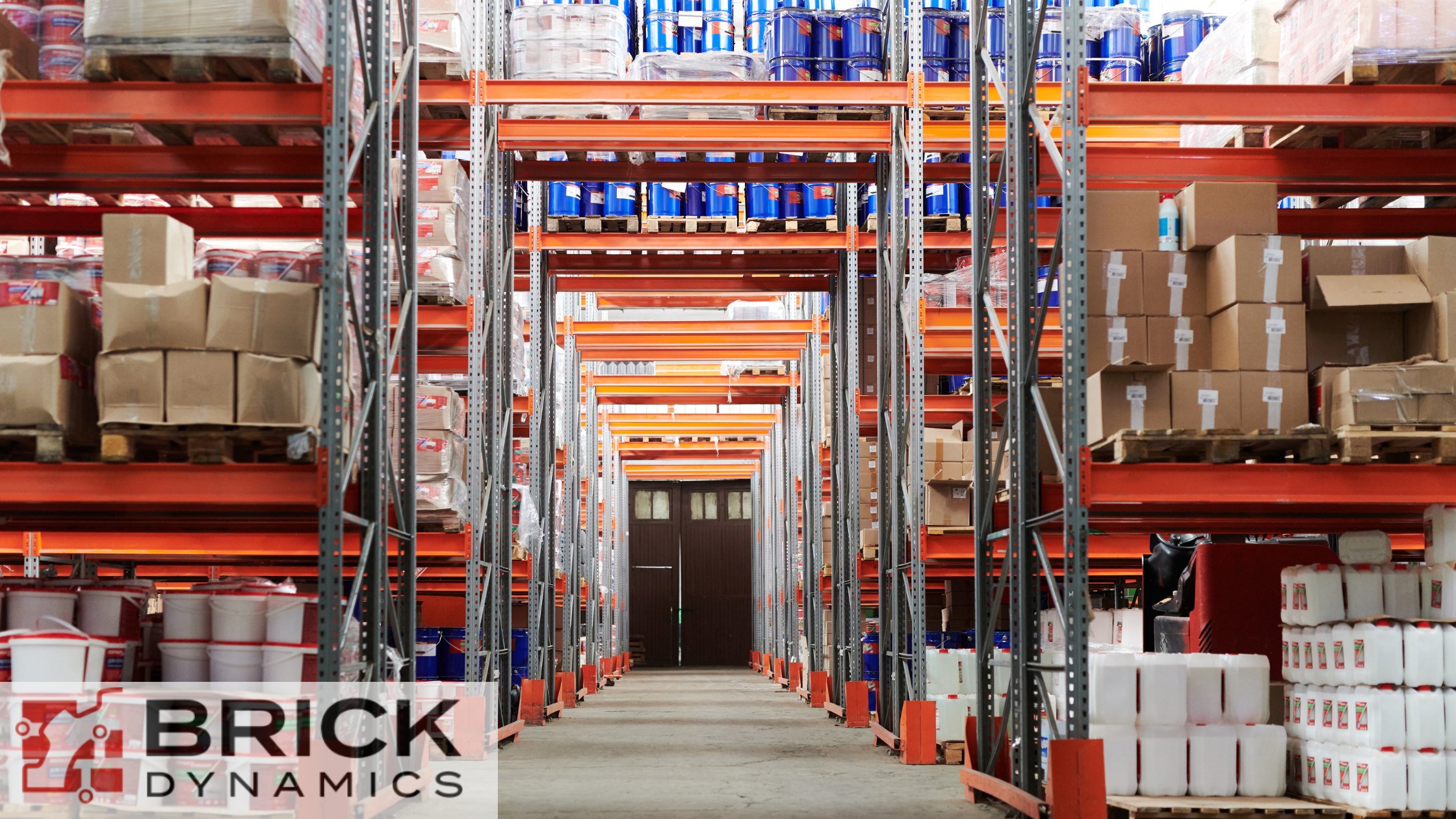
Not all carriers are equipped to handle the high-stakes environment of a major convention center. To help you choose the right company for your exhibit, we highlighted some of the most important factors to always review.
Industry Experience And Proven Track Record
Trade shows operate on a target date system where missing a delivery window by even an hour can result in your shipment being sent to a back-alley warehouse at your expense. You should look for a partner with a verified history of navigating major convention hubs like Las Vegas or Chicago, as they will already understand the local labor unions and marshaling yard quirks. A provider with specific experience in your sector, whether that is medical devices or heavy machinery, will also know how to properly crate and secure your specific types of assets.
Real-Time Technology And Tracking Systems
In an environment where timing is everything, “it’s on the truck” is no longer a sufficient status update. The right partner should offer a digital dashboard that provides real-time GPS tracking and, ideally, photo verification of your assets upon arrival at the venue. This level of transparency allows you to manage your on-site team’s schedule effectively, as you’ll know exactly when to call in your labor for the installation.
Comprehensive Service Offerings
The most efficient partnerships are turnkey, meaning the company can handle everything from advance warehousing and international customs to the final installation and dismantle (I&D). Using a single provider for both transport and on-site labor eliminates the finger-pointing that often happens when a crate arrives damaged or a piece of the booth goes missing. Choosing a full-service firm ensures there is a single point of accountability for your entire physical presence.
Transparent Pricing And Cost Predictability
Trade show billing is notoriously complex, often involving hidden surcharges for waiting time, fuel, and drayage (the movement of goods within the hall). You should seek a partner that provides detailed, line-item quotes rather than vague estimates, and specifically ask how they handle overtime or weekend surcharges. A transparent pricing model helps you avoid the invoice shock that occurs when post-show fees end up doubling your initial shipping budget.
Global Reach And Customs Expertise
If you plan to exhibit internationally, your logistics partner must have a deep understanding of ATA Carnets and temporary import regulations to avoid paying heavy duties and taxes at every border. They should have a dedicated network of global agents who can manage last-mile delivery in foreign markets where language barriers and local regulations can stall a shipment. A partner with a global footprint ensures that your brand standards remain consistent, whether you are exhibiting in London, Dubai, or Singapore.
Responsiveness And Dedicated Support
When a crisis occurs on the loading dock at 3:00 AM, you need a dedicated account manager who picks up the phone, not a generic customer service queue. Evaluate potential partners based on their communication style during the quoting process; if they are slow to respond, then they will likely be unreachable during the show. A partner who provides 24/7 on-site or remote support during the move-in and move-out phases is essential for resolving the inevitable fire drills of the event world.
Benefits of Partnering with Professional Trade Show Logistics Companies
Working with a professional trade show logistics company helps reduce risk and eliminate many of the challenges associated with transporting exhibit materials. Experienced providers coordinate shipping schedules, manage material handling requirements, and navigate venue regulations to help ensure exhibits arrive on time and in perfect condition. According to CEIR research, 81% of trade show attendees influence purchasing decisions, making reliable logistics essential for exhibitors looking to maximize event opportunities.
Professional logistics support can also improve cost control and operational efficiency. By coordinating transportation, warehousing, drayage, and on-site services through a single logistics partner, exhibitors can reduce unnecessary storage fees, avoid last-minute shipping expenses, and improve visibility across the entire logistics process. As Brick Dynamics co-founder TJ Hennessy notes, “The best logistics plans aren’t just about moving freight, they’re about preventing expensive surprises before they happen.”
Perhaps the greatest benefit is peace of mind. Instead of managing freight carriers, delivery schedules, and venue requirements, exhibitors can focus on attendee engagement, lead generation, and event performance. Whether supporting a single trade show or a nationwide exhibition program, professional trade show logistics companies help create a smoother experience from move-in through move-out.
Looking for A Reliable Trade Show Logistics Partner?

Success on the trade show floor is rarely an accident; it is the result of careful planning and a logistics partner that understands the high-stakes nature of event timelines. Whether you opt for a global giant like Freeman or GES for their venue-wide scale or a specialized partner like Brick Dynamics for tech-enabled local execution, the goal remains the same: eliminating the variables that lead to forced freight and missed opportunities.
By prioritizing transparent pricing, real-time tracking, and a proven track record in your specific industry, you can transition from managing crates to managing connections. Ultimately, the right logistics provider doesn’t just move your booth; they protect your investment and ensure your brand is ready to shine the moment the doors open. Contact our logistics experts today to get started.
Frequently Asked Questions
We know the technical side of events can be a bit overwhelming, so we’ve put together answers to the questions we hear most often.
What Are the Top Trade Show Logistics Companies?
Top trade show logistics companies typically include established service contractors like Freeman and GES, global carriers such as DHL and UPS, and specialized providers like Brick Dynamics or Global Expo Logistics. The best option depends on your show size, freight complexity, and whether you need on-site execution or transportation only.
How Much Do Trade Show Logistics Companies Charge?
Pricing varies widely based on shipment weight, distance, venue rules, labor requirements, and service scope. Costs usually include transportation, material handling, storage, labor, and accessorial fees such as overtime or after-hours delivery. Full-service contractors tend to charge more due to venue integration and on-site control. Budget-conscious exhibitors should expect lower costs with shipment-only or hybrid providers.
How Can I Effectively Analyze the Cost of Hiring a Trade Show Logistics Company?
Start by separating transportation costs from on-site handling and labor charges. Review target dates, overtime windows, and material handling rules, as these often drive unexpected fees. Comparing quotes requires checking what is included versus what is billed separately. The lowest upfront quote is not always the lowest total cost once show-related fees are added.
What Are Common Mistakes Made When Working With Trade Show Logistics Companies, and How Can They Be Avoided?
A common mistake is missing target dates, which can trigger expensive labor and storage fees. Another is assuming transportation quotes include on-site handling when they often do not. Poor communication about delivery times and booth requirements also causes delays. These issues can be avoided by confirming scope early, understanding venue rules, and working with providers experienced in trade show environments.