
Trade Show Drayage Services: Costs, Tips & How It Works
Tradeshow drayage services handle the movement, storage, and delivery of exhibit materials from the receiving area to the booth and back after the event. These services help exhibitors, businesses, and event marketers manage the movement and storage of materials at trade shows. Done well, it keeps your move-in on schedule, controls cost, and protects fragile freight.
At Brick Dynamics, we coordinate drayage for exhibitors across 65+ US metros — Atlanta, Chicago, Las Vegas, Orlando, Phoenix, Dallas, Houston, Denver, Boston, New York, and every market on the convention calendar. We handle the booth-coordinator side of the venue’s drayage workflow: target-time confirmation, marshalling slot booking, dock-in, booth placement, empties management, and outbound. Contact us for a drayage quote that captures the full venue cost plus the coordination work that keeps the run on schedule.
This guide explains what drayage is, how it works at trade shows, what it costs, and how exhibitors plan booth programs around the venue drayage system.
What Are Trade Show Drayage Services?
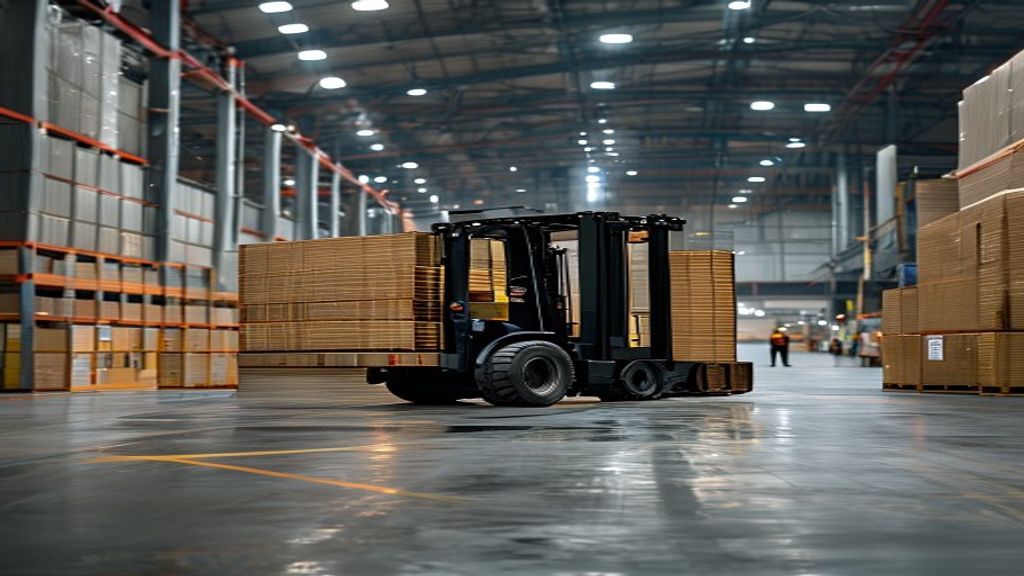
Trade show drayage services involve the movement, storage, handling, and transportation of exhibit materials at a trade show venue. Exhibitors may only focus on trade show shipping, but once drayage begins, goods arrive earlier at the site. Some of the services offered include unloading freight, transporting booth materials, and coordinating outbound shipping at the close of the show. These services rendered are one of the largest line items in an exhibitor’s budget.
Trade show drayage, unlike traditional shipping, focuses heavily on venue-side logistics. The freight carriers move shipments to the venue or the advance warehouse. While this is going on, the show’s general contractor manages the material handling process at the venue. This handling process involves loading dock operations, labor crews, forklifts, and specialized equipment that will be used.
The costs for handling materials can affect the total cost of participating in a trade show. This is a result of the labor and coordination involved. Based on our experience in coordinating tradeshows across 65+ U.S. metros, drayage is a highly misunderstood aspect of event marketing. According to TJ Hennessy, “Most exhibitors spend months planning their booth and only start thinking about drayage when they receive the invoice. By then, many of the cost-saving opportunities have already passed.” This is why understanding how trade show drayage services work helps exhibitors plan better.
How Do Trade Show Drayage Services Work: Step-by-Step
Understanding how trade show drayage services work helps with coordinating shipments, reducing delays, and improving efficiency. The processes involved may vary by venue, but most services follow the same workflow that is managed by the show’s general contractor.
Step 1: Shipping to the Advance Warehouse or Show Site
The first step is to ship booth materials, displays, promotional items, and crates to either the advance warehouse or the show site. The advance warehouse is usually recommended because it has better scheduling, flexibility, and it reduces move-in congestion. Freight that arrives early is scanned, documented, and staged for delivery.
Step 2: Receiving and Unloading Freight
After the freight is shipped and arrives, the service contractor then receives, unloads, and records the shipment. The materials are further inspected and organized for delivery to the exhibit floor. Specialized equipment may be needed to carefully handle freight depending on the weight and size.
Step 3: Moving Materials to the Booth Space
At this stage, labor crews begin to transport freight from the landing dock to the assigned booth space. This process is called trade show drayage, and it represents the material handling service that exhibitors are charged for. With proper scheduling, materials can reach the booth on time and reduce delays during installation.
Step 4: Empty Crate and Storage Management
The next step is to remove empty crates and containers from the booth area. This is done after the installation is complete, and they are kept and stored till the end of the event. This process ensures that the packing materials are well-maintained while also keeping the show floor organized.
Step 5: Outbound Shipping and Return Freight
At the end of the event, the empty crates are returned to the exhibitor to repack the materials and send them back shipping. This is coordinated by the show’s general contractor. The freight will move from the booth to the loading dock, and then freight carriers will take shipments to their next destination.
According to Brick Dynamics cofounder Thomas O’Brien, “The most successful exhibitors treat drayage as part of their overall logistics strategy, not just another vendor charge.” Proper coordination throughout each step helps reduce delays, improve scheduling, and create a smoother event experience.
Factors That Affect Trade Show Drayage Service Costs
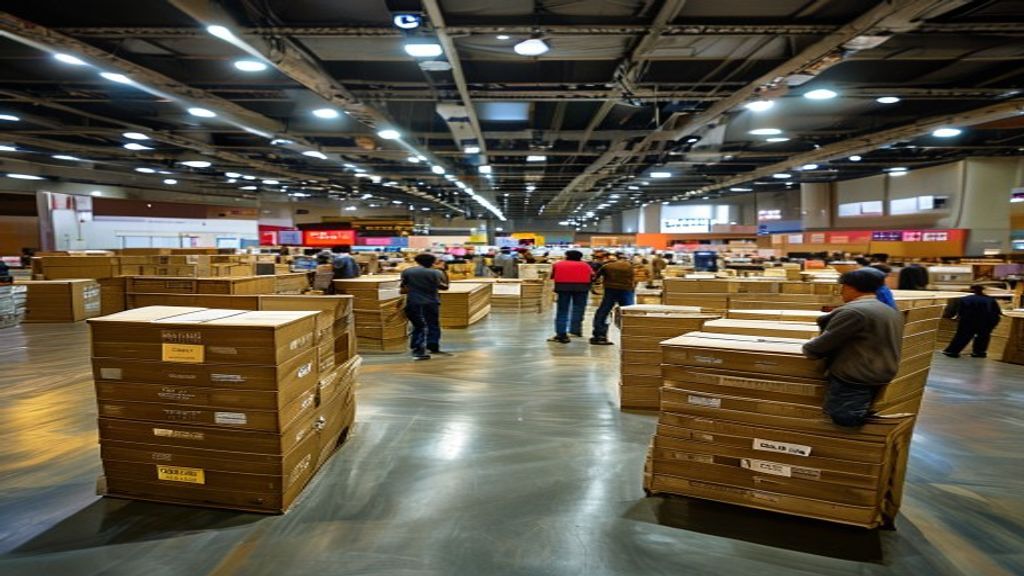
There are several factors that influence the cost of trade show drayage, and most venues calculate fees using the CWT (hundredweight) pricing model. This means that exhibitors are charged based on the actual weight of their shipment. Drayage rates usually range from $80 to $180 per CWT, depending on the venue. Booth space and travel are part of the expenses, but what takes up the largest operational expenses is the material handling cost.
Several variables affect the final drayage bill, including total weight, crate dimensions, separate shipments, special handling requirements, storage needs, and labor conditions at the venue. Oversized crates, irregular freight, and shipments requiring specialized equipment typically generate higher material handling fees. Additional fees may also apply for late arrivals, overtime moves, or freight requiring special handling procedures. Understanding these cost drivers allows exhibitors to plan more accurately and reduce unexpected expenses.
Other variables that affect the final bill include total weight, separate shipments, storage needs, labor, crate dimensions, and special handling requirements. Additional fees may increase up to 30-50% for oversized crates, irregular freight, and any shipment that requires special equipment. And for shipments that arrive late and require overtime moves, incur extra fees. Having a clear understanding of these costs aids accurate planning and reduces unnecessary expenses.
| Freight Weight | Estimated Drayage Cost Range | Typical Considerations |
|---|---|---|
| 200–500 lbs | $160–$900 | Standard booth materials and small displays |
| 500–1,000 lbs | $400–$1,800 | Common for 10×10 exhibits |
| 1,000–2,000 lbs | $800–$3,600 | Larger exhibits and custom displays |
| 2,000+ lbs | Custom Pricing | Often requires additional labor and specialized equipment |
How to Reduce Trade Show Drayage Costs
Exhibitors can often reduce costs by:
- Consolidating separate shipments into fewer deliveries.
- Packing efficiently to reduce total weight.
- Avoiding unnecessary special handling requirements.
- Shipping to the advanced warehouse before deadlines.
- Submit material handling forms early.
- Coordinating back-to-back trade shows when possible.
- Working with experienced trade show logistics providers to improve planning and execution.
How to Choose the Right Trade Show Drayage Service Provider
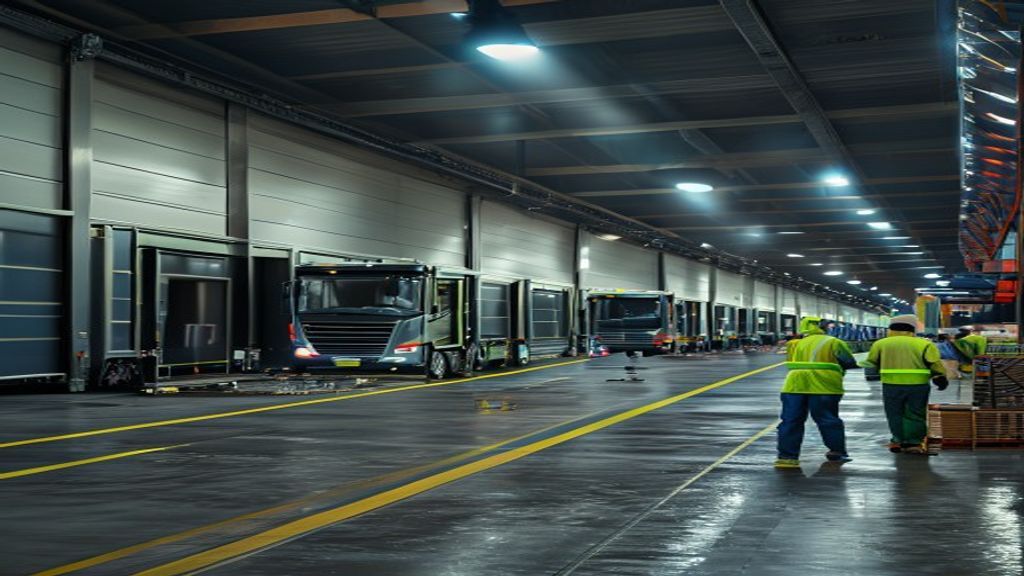
Selecting the right provider is one of the most important decisions exhibitors make when planning trade show logistics. While drayage fees are often set by the show’s general contractor, the right partner can help reduce delays, avoid unnecessary material handling costs, and improve coordination throughout the event. In our experience managing trade show drayage services across 65+ U.S. metros, successful exhibitors focus on more than price alone. They evaluate providers based on communication, operational capabilities, venue knowledge, and the ability to navigate complex show requirements. To help exhibitors make informed decisions, we use the D.O.C.K. Framework: Documentation, Operations, Coordination, and Knowledge.
D- Documentation and Pricing Transparency
A reliable drayage provider should clearly explain all expected costs before freight arrives at the venue. This includes drayage fees, material handling fees, minimum weight charges, special handling costs, storage fees, and any additional fees that may apply. Clear documentation helps exhibitors understand what is included in the service while reducing the likelihood of surprise charges appearing on the final drayage bill. Reviewing the show’s exhibitor services manual and material handling forms early can also help exhibitors identify potential cost drivers before shipping begins.
Trade Show Tip: Many unexpected drayage costs stem from incomplete shipping documentation, inaccurate freight weights, or shipments that require special handling. Reviewing paperwork before freight ships can help avoid unnecessary charges.
O- Operational Capability
Trade show drayage involves much more than moving freight from a truck to a booth. Providers should be capable of coordinating advance warehouse deliveries, loading dock appointments, booth placement, empty crate storage, outbound freight scheduling, and communication with labor teams. Strong operational processes help ensure exhibit materials arrive at the correct booth space on schedule and remain protected throughout the event. This becomes especially important for larger exhibits, multi-crate shipments, and exhibitors participating in multiple shows throughout the year.
C- Coordination Across Stakeholders
Successful trade show drayage services depend on seamless coordination between multiple parties. Freight carriers, exhibit houses, labor crews, venue staff, and the show’s general contractor all play a role in moving materials through the venue. Poor communication between any of these groups can create delays, misplaced freight, or scheduling conflicts that affect move-in and move-out operations. Experienced providers act as a central point of contact, helping exhibitors navigate the process while ensuring everyone involved remains aligned.
As TJ Hennessy explains, “Drayage isn’t just about moving freight. It’s about coordinating dozens of moving parts so exhibitors can focus on the event instead of troubleshooting logistics.”
K- Knowledge of Venues and Events
Venue experience can make a significant difference in trade show execution. Every convention center operates differently, with unique loading dock procedures, labor requirements, target times, and material handling processes. Providers familiar with major venues such as McCormick Place, the Las Vegas Convention Center, the Orange County Convention Center, and the Javits Center can often identify potential challenges before they become costly problems. This level of knowledge is particularly valuable for first-time exhibitors who may be unfamiliar with trade show drayage requirements.
According to CEIR research, opera
tional planning and logistics coordination remain among the most important factors influencing exhibitor satisfaction and event success. As Thomas O’Brien notes, “The best drayage provider is often the one exhibitors never have to think about during the show. When coordination is done properly, freight simply appears where it’s supposed to be, when it’s supposed to be there.”
Questions to Ask Your Drayage Provider
Before selecting a provider, exhibitors should ask:
- How are drayage fees and material handling costs calculated?
- Do you coordinate directly with the show’s general contractor?
- How do you handle special handling requirements?
- What happens if freight arrives after the scheduled deadline?
- How are empty crates and empty containers managed during the event?
- Can you support back-to-back trade shows or multi-city programs?
- How do you help exhibitors reduce material handling costs and avoid surprise charges?
Drayage at Major US Venues
There are various trade show venues and convention centers that determine how different trade show drayage services can operate. The following locations are some of the business trade show destinations in the United States.
Atlanta — Georgia World Congress Center. Atlanta & Georgia drayage →
Chicago — McCormick Place. Chicago drayage →
Las Vegas — LVCC, Mandalay Bay. Las Vegas drayage →
Orlando — OCCC. Orlando drayage →
New York — Javits Center. New York drayage →
Ready to Simplify Trade Show Drayage?
Trade show services help keep everything at a trade show moving smoothly from the move-in to outbound shipping. This guide is different because it goes beyond definitions and breaks down the processes involved, the cost factors, and strategies exhibitors can use to reduce expenses. With proper planning, drayage can prevent delays, protect materials, and improve the overall event execution.
Brick Dynamics has helped exhibitors coordinate trade show drayage services, freight management, logistics, and operations. Connect with our team to get started and build a trade show logistics strategy that supports a successful event execution.
Frequently Asked Questions
Here are quick answers to common questions about trade show drayage services, material handling, and event logistics.
What Is Drayage At A Trade Show?
Trade show drayage refers to the movement of exhibit materials from the loading dock or advance warehouse to an exhibitor’s booth space and back out after the event. It also includes services such as unloading freight, storing empty crates, and coordinating outbound shipping. Most exhibitors see these charges listed as material handling fees in the show’s exhibitor services manual.
Why Is Drayage So Expensive?
Drayage costs cover the labor, equipment, storage, and coordination required to move freight throughout a convention center. Factors such as shipment weight, special handling requirements, overtime rates, and storage needs can increase drayage fees. Proper planning and shipment consolidation can help exhibitors reduce costs.
What Is Drayage Service And How Does It Work?
Drayage service handles the venue-side movement of exhibit materials before, during, and after a trade show. Freight is received at the advance warehouse or show site, delivered to the booth, stored if necessary, and then prepared for outbound shipping when the event concludes. The process is typically managed by the show’s general contractor.
How Much Does A Trade Show Booth Cost, Including Drayage?
The total cost of a trade show booth depends on factors such as booth size, shipping, labor, material handling fees, and event location. Drayage alone can range from several hundred to several thousand dollars, depending on shipment weight and venue rates. Exhibitors should include drayage costs in their overall event budget during the planning process.
How Early Should I Ship To The Advance Warehouse?
Most trade shows recommend shipping to the advance warehouse several weeks before move-in begins. This allows the general contractor time to receive, process, and stage freight before the event. Reviewing the show’s exhibitor services manual will provide specific deadlines and receiving dates.
How Can Exhibitors Reduce Trade Show Drayage Costs?
Exhibitors can reduce drayage costs by consolidating shipments, packing efficiently, avoiding unnecessary special handling, and shipping to the advance warehouse before deadlines. Working with an experienced trade show logistics provider can also help improve planning and prevent costly mistakes. Early coordination often leads to smoother move-ins and fewer unexpected charges.