
How Exhibit Companies Help With Last-Mile Shipping Logistics
Even the best-designed exhibit will fail if it arrives late, damaged, or incomplete. To ensure a successful trade show, exhibit companies help with last-mile logistics by solving problems that typical shippers are not equipped to manage. This not only protects your marketing investment but also creates a better experience for your team.
Need a reliable exhibition logistics provider? With a growing presence in 65+ metros, you can trust Brick Dynamic‘s proven experience to coordinate your move-ins and move-outs without any costly surprises. Book a free consultation today.
In this post, we will look at the different ways exhibit companies streamline last-mile shipping logistics to ensure your booth arrives safely and on time.
What Is Exhibition Logistics and Why It Matters
Exhibition logistics is the process of planning, transporting, storing, handling, installing, and returning shipments of items used at trade shows. It requires coordination at the various stages of an event. This includes warehousing, venue delivery, move-in schedule, on-site support, and move-out management. These components have to work well together to ensure that exhibits arrive on time, ready for when the show opens.
Exhibitors have multiple logistical processes, and last-mile delivery is only one part of that process. To keep things moving smoothly, companies usually coordinate transportation, warehouse facilities, convention center requirements, labor crews, and schedules. By applying this approach, it improves communication and reduces delays and operational risks during events. Successful exhibition logistics don’t rely on transportation alone, but on how all sectors are moving effectively.
8 Ways Exhibit Companies Help with Last-Mile Shipping Logistics
One of the most difficult things about exhibitions is that they leave almost no margin for error when it comes to trade show transportation and setup. Fortunately, working with an exhibit company solves this problem by putting a professional in your corner. They’ll oversee the high-stakes handoff from the truck all the way to your booth space, keeping everything on schedule and under control.
1. They Prevent Costly Penalties by Managing Target Times
If your truck rolls up to the marshalling yard even an hour outside your assigned target window, you’re in trouble. According to industry surveys on material handling rates, these penalties can increase your drayage bill significantly if crews are forced to unload your truck during overtime hours. Exhibit companies coordinate with trade show carriers to ensure timely delivery, keeping your budget from blowing up before you’ve even opened a crate.
2. They Bridge the Gap Between the Loading Dock and Your Booth
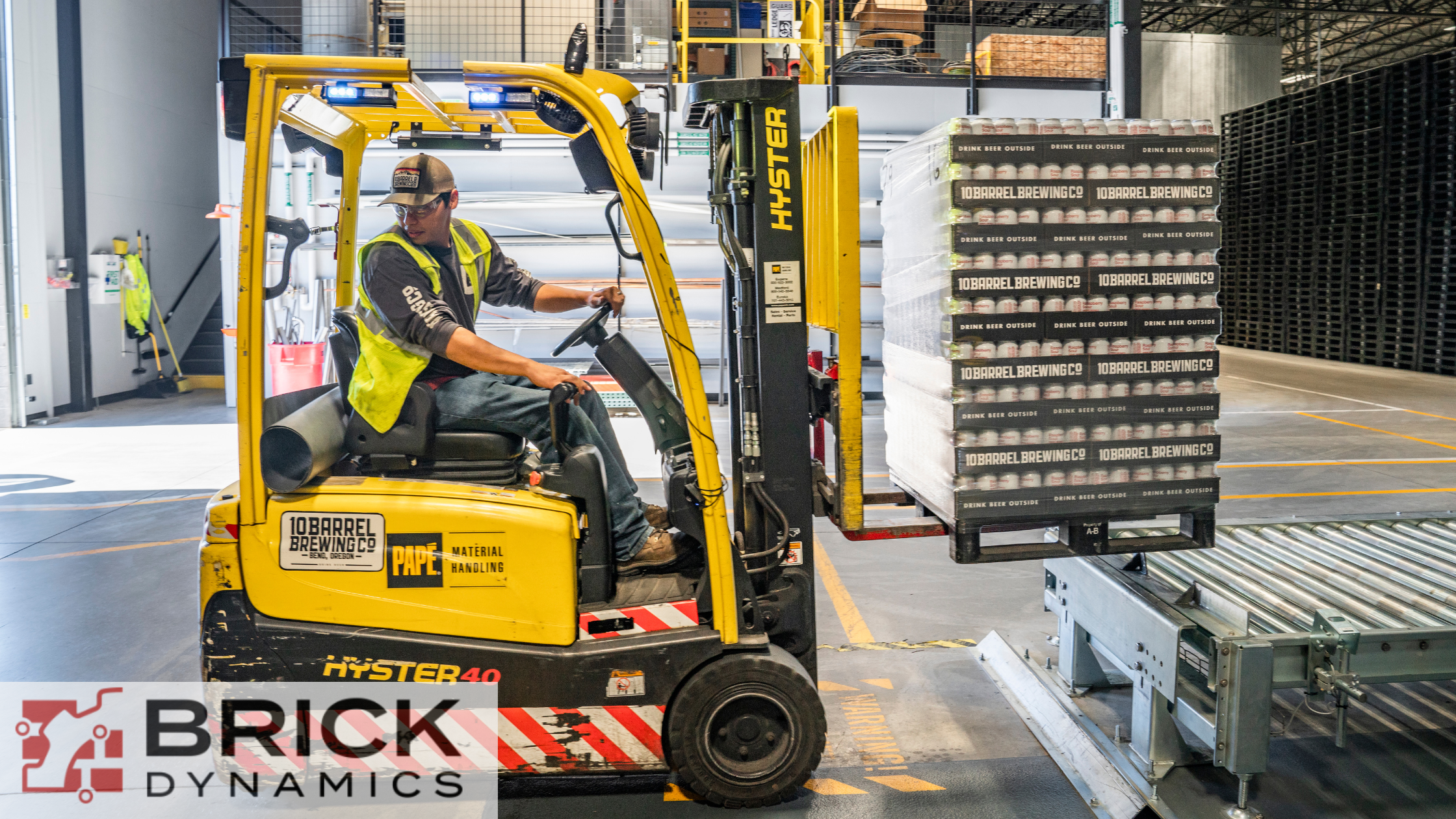
Standard carriers like FedEx or UPS will most likely drop your gear at the dock and leave, forcing you to manage the rest of the shipping process alone. From there, your trade show materials are at the mercy of the venue’s General Contractor. If left unsupervised, your $50,000 booth might sit behind a mountain of carpet padding for three days or even go missing. Exhibit companies handle the handoff from carriers, making sure each crate lands exactly where it belongs.
3. They Save You Money by Consolidating Your Freight
A standard 53-foot trailer can carry about 26 to 30 large crates. If you attempt to ship only one or two crates, you would be wasting a lot of money, because carriers still charge you for the space you don’t use. Especially since they are still burning the same amount of fuel to move a nearly empty rig. An exhibit company can easily get around this by ridesharing your booth with other clients going to the same event. This way you split the cost of the truck, the fuel, and the driver’s time, which can drop your shipping expenses by thousands.
4. They Act as On-Site Problem Solvers for Trade Show Shipping Emergencies
If a crate arrives with a hole in the side or a broken monitor, a standard carrier will just hand you a claim form and walk away. An exhibit company acts as your on-site Plan B. Since they usually have a network of partners in major cities, they can get a local shop to fabricate a replacement part or reprint a graphic overnight. This ensures that even the most frantic shipping emergencies are solved before your team ever sets foot on the show floor.
Case Study
Imagine that a marketing team arrived at a major Chicago venue to find that their primary tension-fabric display had been sliced during transit by a forklift blade. Their standard freight carrier provided a claim form and confirmed that a replacement would take five business days to ship from the original manufacturer, well past show opening.
Because the team was working with an exhibit logistics partner, the emergency was managed immediately. The logistics coordinator didn’t wait for a claim approval; they pulled the original print files from their server and sent them to a local partner print shop located three miles from the convention center.
The new graphic was printed, delivered, and installed overnight. When the client’s executive team arrived for the show’s opening morning, the booth was in perfect condition. The “on-site Plan B” turned a potential branding disaster into a non-issue, saving the client from exhibiting with a damaged display.
5. They Handle Delicate Displays With Careful Handling
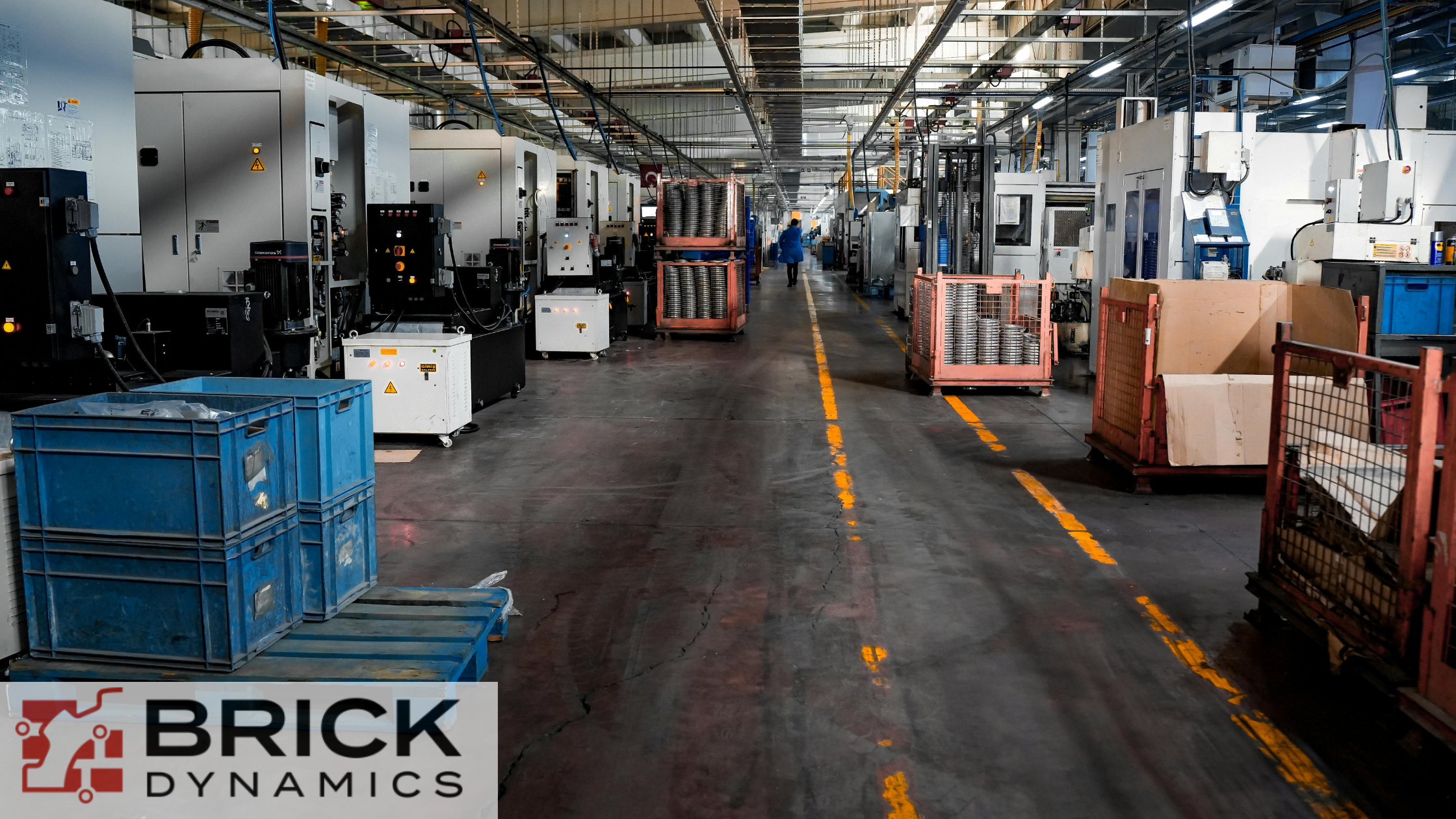
Some warehouse workers treat crates like they’re filled with scrap metal. They’ll double-stack heavy pallets on top of your custom cabinets without thinking twice. Your exhibit company knows how much work goes into each booth. That’s why it’s easier for them to invest in white-glove transit solutions like Air-Ride trailers. By prioritizing these higher handling standards over bottom-tier shipping, they treat your booth like a piece of art, not a piece of freight, ensuring it doesn’t need a total renovation the second it’s unpacked.
6. They Provide Real-Time Visibility and Tracking
Standard tracking numbers usually stop once a truck reaches the local terminal, leaving you in the dark while the truck waits in the marshalling yard queue. An exhibit company maintains direct contact with the driver and the dock manager. Using advanced logistics technology, they can tell you exactly where your freight is in the unloading line, which allows you to schedule your setup crew more accurately.
7. They Coordinate Move-Out and Reverse Logistics
If your driver isn’t checked into the marshalling yard the moment the venue allows, you risk having your booth forced. This means the venue’s contractor loads your freight onto a random carrier of their choice, often charging you up to four times the standard rate just to get it off their floor. Your exhibit company manages the reverse last mile. They stay on the floor to verify your driver is checked in and that the venue’s paperwork is filled out correctly so your booth doesn’t end up lost in a random warehouse across the country.
8. They Navigate Complex Venues and Union Rules
Convention centers have specific rules about which union crews are allowed to move freight and where trucks can park. As noted in the McCormick Place Labor Guidelines, violating these rules set by event organizers can lead to work stoppages. Exhibit companies know the regulations for each specific hall. They manage the paperwork and the labor handoffs correctly to make sure your delivery isn’t delayed by a jurisdictional dispute or a safety violation.
How Exhibit Companies Deliver Last-Mile Parcels Effectively
The primary duty of exhibit companies is to manage the final stage of trade show delivery through coordination with transportation providers, venue personnel, and event schedules. They not only move freight from one place to another, but also oversee the whole process of getting materials from terminals to the show floor. This is what prevents errors, reduces delays, and improves delivery accuracy.
Exhibit companies also liaise with the carrier and venue staff to ensure compliance with delivery time. Communication is also extended to drivers, dock managers, and general contractors to keep things moving according to plan. This is to avoid unnecessary delays or any inconvenience that may negatively affect the event.
In modern times, exhibit logistics providers use tracking tools and platforms to improve shipments. Instead of just relying on tracking updates from the carrier, they can have direct communication with the transportation partners. This not only gives exhibitors the ability to receive more accurate updates but also to respond quickly if issues arise.
In addition, most exhibit companies provide services that ensure exhibits are ready for installation. These services include move-in oversight, booth placement, and contingency planning. These capabilities help exhibitors navigate venues and have control over the execution of an event.
How to Improve Last-Mile Shipping Logistics for Trade Shows
Successful last-mile logistics requires careful planning, strong coordination, and proactive risk management. To help exhibitors navigate this process, we use the S.H.I.P. Framework: Schedule, Handle, Inform, and Prepare. This approach helps businesses improve delivery accuracy, reduce disruptions, and ensure exhibits arrive ready for installation.
S- Schedule Deliveries Early
When it comes to timelines and scheduling, trade show logistics usually operate strictly. This is to avoid delays in the slightest form. It is therefore important for exhibitors to confirm move-in times, venue requirements, and carrier appointments earlier on. Adding extra time to the schedule can lead to unforeseen delays in traffic, weather, or dock congestion. That is why early planning and scheduling should be heavily considered to improve overall performance.
H- Handle Logistics Requirements Carefully
Exhibitor companies should be able to verify that every freight requirement is addressed and handled well before shipments arrive. These requirements include crate counts, booth specifications, handling instructions, shipment documentation, and venue regulations. These details help reduce mistakes and ensure freight is delivered smoothly. According to co-founder Thomas O’Brien, “The smallest logistical detail can have the biggest impact on event execution.” It is important to review logistics requirements to help companies avoid complications later on.
I- Inform All Stakeholders
Communication is one of the most important factors in successful last-mile delivery. Carriers, exhibit managers, venue staff, installation teams, and logistics providers should all have access to accurate delivery schedules and shipment updates. Consistent communication helps identify issues early and allows teams to respond quickly when adjustments are needed. Keeping stakeholders informed also improves accountability and coordination throughout the move-in process.
P- Prepare for Unexpected Disruptions
Even the most carefully planned shipments can encounter unforeseen challenges. Traffic delays, damaged freight, labor shortages, weather events, or scheduling conflicts can impact delivery performance. Businesses should prepare contingency plans that include backup contacts, emergency transportation options, replacement materials, and escalation procedures. Having these safeguards in place helps minimize disruption and keeps trade show projects moving forward.
Last-Mile Logistics Planning: Proactive vs. Reactive Approaches
|
Logistics Area |
Proactive Approach |
Reactive Approach |
|
Scheduling |
Confirm delivery windows early |
Wait until the freight is in transit |
|
Freight Handling |
Verify documentation and requirements beforehand |
Resolve issues after arrival |
|
Communication |
Provide regular updates to all stakeholders |
Communicate only when problems occur |
|
Risk Management |
Develop contingency plans in advance |
Respond after disruptions happen |
When Should You Use an Exhibit Company for Last-Mile Logistics?
While you won’t always need to work with an exhibit company for your trade show, some situations make self-managing risky, expensive, or unnecessarily stressful. If you find yourself under any of the scenarios painted below, that’s your cue to bring in logistics experts.
If This Is Your First Time Exhibiting
First-time exhibitors often assume trade show deliveries work like standard commercial shipping. Then move-in day arrives, and suddenly they’re facing marshalling yard queues, strict labor rules, and rigid time slots you didn’t even know existed. An exhibit company walks you through these hurdles ahead of time and manages the on-site chaos, ensuring your first show doesn’t turn into a five-figure learning experience you’ll be forced to explain to your boss for months.
If Your Booth Is Custom, Large, or High-Value
Custom booths have zero margin for mistakes. A single cracked laminate panel or a lost mounting bracket can stall an entire build. Exhibit companies understand how these booths come together and prioritize the pieces that matter most. They make sure critical components arrive in the right order and get placed where installers need them, reducing the chance of costly downtime.
If You Are Working Under a Tight Move-In Window
Some shows allow only a few hours to unload and set up. In those situations, managing time-sensitive deliveries matters more than distance or speed. Exhibit companies plan deliveries around access windows and floor readiness, not rough arrival estimates. That precision helps you avoid rushed setups, overtime charges, and half-built booths when doors open.
If You Are Exhibiting in a Major Convention Center
Large venues like McCormick Place or the Las Vegas Convention Center are logistics labyrinths. Between confusing check-in procedures and strict labor jurisdictions, a standard driver can easily get lost in the system for half a day. Exhibit companies already know the back doors and specific protocols of these buildings, keeping your materials moving while your competitors are still stuck in the holding lot.
If You Are Managing Multiple Shows
When booth elements ship from different locations, coordination becomes the real challenge. Exhibit companies act as the central point of control, aligning deliveries so one missing piece doesn’t delay the entire setup. Instead of juggling vendors, you deal with one team that keeps everything in sync. For more guidance on how to juggle multiple trade shows, see our guide on coordinating logistics for back-to-back trade shows.
If You Cannot Be On-Site to Manage Problems
Last-mile issues rarely announce themselves during business hours. If you aren’t on-site to handle a trailer delay or a paperwork discrepancy at the dock, you need a proxy who can make executive decisions. Exhibit companies fill that gap by resolving emergencies on your behalf, keeping minor shipping hiccups from spiraling into show-stopping disasters before you even arrive.
Factors to Consider When Choosing A Trade Show Logistics Provider
When selecting a transportation partner, the most critical factors to evaluate are their industry experience and reliability. A provider that understands the nuances of convention center operations will be far more effective than a general freight carrier that treats a booth like standard cargo. You need a partner that has a proven track record of hitting strict target windows and navigating the specific docking procedures of various venues, as this reliability directly prevents the late fees and setup delays that can derail your show.
This level of expertise is most effective when paired with nationwide coverage. Having a provider with local ties across the country means they can quickly source backup equipment or repair services if something goes wrong during transit. Because they operate on a national scale, they are also better equipped to manage the transition between different regional union jurisdictions, which keeps your delivery compliant with local venue rules regardless of where the event is held.
Beyond the physical move, your decision should also be guided by the level of visibility and accountability the provider offers. You should look for a partner that provides direct, real-time updates on your shipment’s status rather than leaving you to rely on a generic tracking number that stops at the city limits. This transparency ensures that if a delay occurs, someone is held accountable for fixing the problem immediately.
Common Logistics Challenges of Last-Mile Delivery in Trade Shows

Even the most carefully planned shipments can face hurdles once they reach the high-pressure environment of a convention center. Understanding these common last-mile problems can help you overcome them and enjoy a successful trade show.
High Risk of Damage During Handling
The last mile involves several handoffs between different forklift operators and crews, which increases the chance of accidents. Crates are often moved through tight aisles and crowded loading docks where collisions are common. If a custom display or piece of electronics is damaged during this stage, a standard shipping company will only provide a claim form for the value of the item. They don’t provide repairs or replacements, leaving you with a damaged booth and no means to repair it before the show starts.
Tight Dock Windows
Most large convention centers require trucks to check into a marshalling yard before they can access the loading dock. Venues assign specific target windows for delivery, and arriving outside of this time frame usually leads to heavy financial penalties. If your driver misses the window, the venue may move your truck to the back of the line, delaying your unloading by several hours or even a full day. This delay forces your setup crew to wait around, often leading to expensive overtime labor charges once the crates finally arrive.
Misplaced or Missing Crates
It should go without saying that clear and accurate labeling is necessary for efficient trade show material handling. In a venue with hundreds of exhibitors and thousands of crates, it is common for items to be delivered to the wrong booth or left in a staging area. If a crate is missing, the venue’s general contractor may take hours to locate it, which stops your entire setup process. This is especially problematic when the missing crate contains the base of the booth or the electrical components needed for the rest of the build. Without someone on-site to walk the floor and verify the delivery, you can lose an entire day of work searching for your property.
Coordinating Multiple Vendors
A typical trade show booth often involves materials coming from different places, such as a warehouse, a graphics printer, and a technology rental house. If you don’t synchronize these deliveries, your setup crew might arrive and discover they’re missing the specific parts they need to begin. Managing the arrival times of three or four different drivers at a busy convention center is difficult and often leads to multiple waiting-time fees. An exhibit company acts as a single point of contact to ensure every vendor’s delivery is consolidated and arrives in the correct order.
Last-Minute Changes or Delays
Trade show schedules are rarely perfect, and a delay in one area usually causes a chain reaction of problems. If a flight is canceled or a truck gets stuck in traffic, your assigned move-in window can pass before you are ready. Most venues will only accommodate these changes if you pay late fees or are moved to a standby list. Having a partner who can communicate with the dock manager in real-time allows you to adjust to these delays and find alternative solutions, such as rerouting freight or rescheduling labor, before the costs escalate.
Complex Union Jurisdiction and Rules
Convention centers have specific rules about which union workers are allowed to move freight and handle equipment. Trade show organizers and venue managers enforce these strictly. If you or your team try to move your materials or use the wrong labor category, the venue can issue fines or stop your setup entirely. These rules vary significantly between cities, making it challenging for an individual company to stay compliant. Navigating these jurisdictions incorrectly leads to unexpected labor invoices and delays that can stall your entire setup process.
High Costs
When a show ends, the venue must clear the floor by a specific time. If your truck is not checked into the marshalling yard by this deadline, the show manager will assign your shipment to a carrier of their choice. This is known as forced freight, and it is almost always much more expensive than the rate you originally negotiated. You also lose control over the delivery date, which can cause problems if the booth is needed for another event shortly after.
Looking for a Trusted Exhibitions Logistics Company?
Because last-mile logistics can make or break a trade show appearance, working with an experienced logistics partner can significantly impact a trade show appearance. These experts play a critical role in last-mile shipping logistics by managing the most complex and time-sensitive part of trade show delivery. To summarize all they do for you, they reduce delays, prevent costly penalties, and ensure booths arrive on show floors ready for setup. Working with any knowledgeable exhibit company allows you to focus on the event itself rather than the shipping challenges that may pop up. Contact Brick Dynamics to discuss your event logistics needs.
Frequently Asked Questions
Below we answer the most common questions exhibitors have about mastering the last-mile process and protecting their booth.
What Does Last-Mile Mean for Trade Shows?
In the trade show industry, the “last mile” refers to the journey of your freight from the local shipping terminal to its final position on the convention floor. While long-haul shipping covers the distance between cities, the last mile involves navigating the venue’s marshalling yard, the loading dock, and the drayage process. This stage is uniquely difficult because it is governed by strict delivery windows and specific venue labor rules that standard shipping doesn’t encounter.
Why Shouldn’t I Use My Own Freight Carrier?
Most standard carriers are only responsible for delivery to a loading dock and will leave your crates there, regardless of whether your booth is actually set up or not. They are often unfamiliar with target times and may charge significant wait-fee penalties if they are stuck in a long marshalling yard queue. An exhibit company, however, stays with your shipment until it is spotted at your booth, resolving any on-the-floor issues that a typical driver is not equipped to handle.
How Do Exhibit Companies Save Me Money on Shipping?
Exhibit companies save you money primarily through freight consolidation and the avoidance of minimum weight penalties. Additionally, their expertise in auditing weight tickets ensures that the venue does not overcharge you for drayage, a common error that can inflate your bill by hundreds or even thousands of dollars.
What Happens if My Shipment is Forced?
When a shipment is forced, you lose all control over the shipping rate and the delivery date, often resulting in a bill that is three to four times higher than your original quote. An exhibit company prevents this by staying on-site until your driver is physically loaded and the outbound paperwork is signed.
Is Shipping to the Warehouse Better than Shipping to the Show Site?
Shipping to an advanced warehouse is generally considered the safer option because it guarantees your crates will be the first ones delivered to the show floor before general move-in begins. While direct-to-site shipping is cheaper, it is also much riskier, as any truck delay can cut directly into your limited setup hours.