
How To Coordinate Exhibit Logistics For Back-to-Back Trade Shows
The best way to coordinate exhibit logistics for back-to-back trade shows is to manage transportation, storage, shipping, and on-site operations as a single logistics plan. This helps exhibitors to reduce the risk of missing deadlines, unexpected fees, and disruptions that can affect future shows. To achieve this, a structured approach will be needed to maintain visibility over shipments, coordinate schedules between venues, and keep exhibit materials moving efficiently from one event to the next.
Looking for a reliable trade logistics provider? Brick Dynamics is a trusted U.S.-based partner supporting trade show logistics across 65+ metros. If you’re exhibiting at multiple trade shows, feel free to contact us and learn how our expert knowledge can keep your materials on schedule, from one show to the next.
This guide breaks down the process involved in coordinating back-to-back trade shows from inbound shipping transport between events.
Step-by-Step Guide to Coordinating Exhibit Logistics for Back-to-Back Trade Shows
We’ve mapped out the specific transit milestones required to leapfrog your exhibit from one hall to the next without the usual chaos. Whether this is your first circuit or your tenth, this breakdown will help you lock in your dates and keep your drayage costs from spiraling out of control.
1. Build a Single Master Logistics Timeline

The mistake most exhibitors make is treating each show as an exclusive project when they should be viewing it as a single, continuous process. In other words, you should be able to see all move-in dates, shipping appointments, and on-site handling tasks on one master calendar. This bird’s-eye view is the only way to spot overlaps before they become emergencies.
Another benefit of keeping a master timeline is that it helps first-time exhibitors understand the sequence of trade show logistics and reduces the stress of managing multiple venues. We recommend padding your schedule with realistic buffers between events to account for customs clearance and potential delays at loading docks or marshaling yards.
2. Review Exhibitor Manuals for Every Show
Every event venue has its playbook, or what’s formally known as the “exhibitor manual.” Minor oversights in these manuals can lead to staggering drayage surcharges and forced freight situations. So it’s very important to go through each manual carefully, especially if your next event is in a different city or country.
While reading each manual, take note of any differences between the shows. Pay attention to requirements for special handling, booth setup restrictions, and the venue’s official service providers list if available. This will help you avoid any confusion or missteps on-site and ensure your trade show materials are handled correctly from one event to the next.
3. Create a Detailed Exhibit Inventory and Packing Plan
Moving for an exhibit is no different from a residential move. Think about it this way: when moving apartments, you’d have some sort of checklist detailing information like what goes where and what needs to be unpacked first. You need the same level of organization for a trade show.
Start by listing all booth materials, trade show shipments, equipment, and giveaways that will travel to each show. Document quantities, dimensions, and weight for every item, which also helps with shipping accuracy and customs clearance if your next event is in another country. You can even include photos or diagrams to show how crates are packed or how complex equipment is assembled.
Be sure to clearly label each crate and container so that you and your team know what goes where. Also organize your packing in such a way that items needed first at the next event are easily accessible. This prevents delays during setup and makes teardown faster and more efficient.
4. Decide How and Where to Ship Between Shows
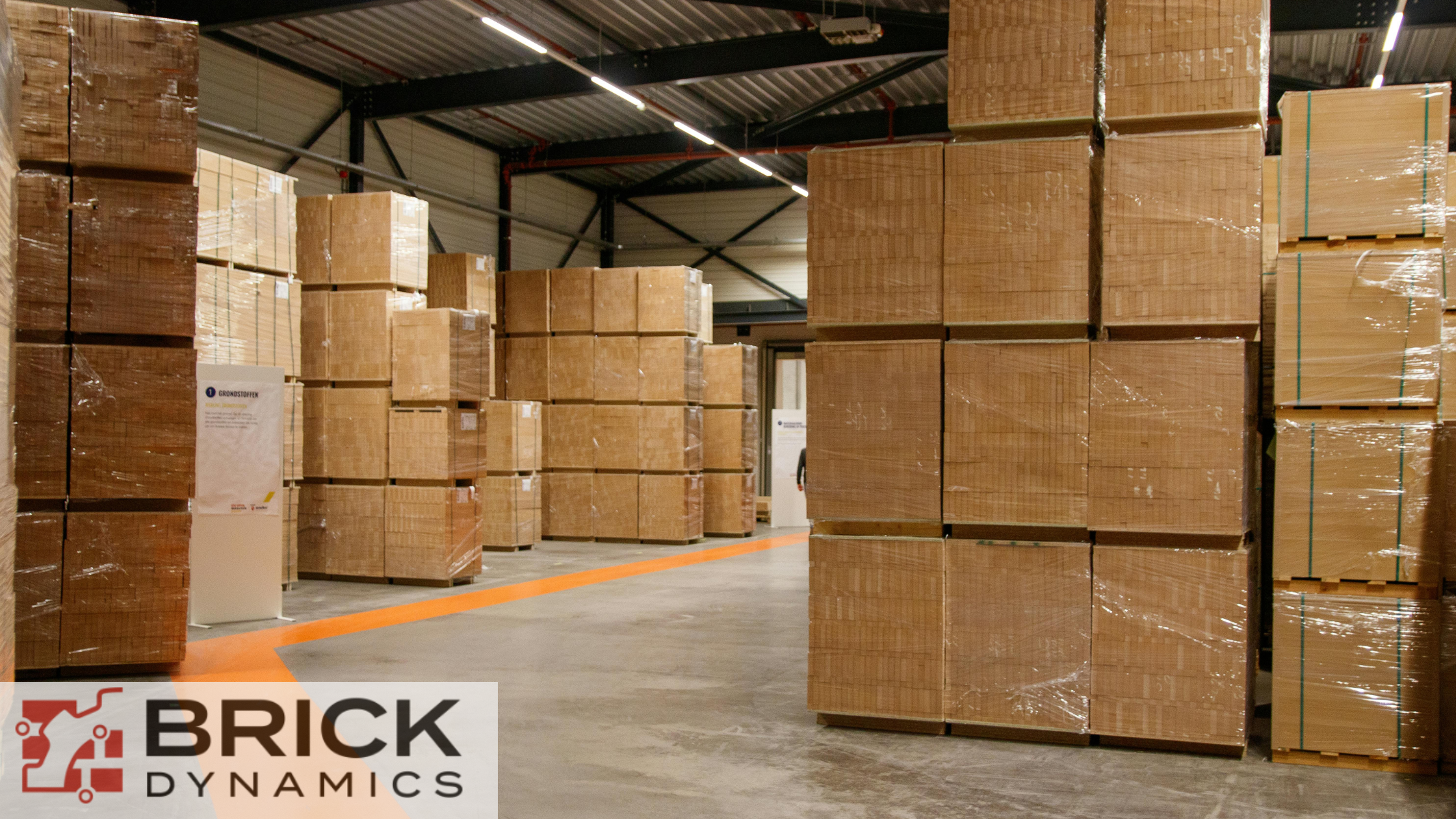
You generally have two options: ship directly from the first venue to the next, or use an advance warehouse as a staging ground. While direct shipping can save time, it’s also a very risky method of shipping items because it leaves zero margin for errors. All it takes is one highway closure or a late carrier pickup at the first show to trigger a domino effect that leaves your booth empty at the second. In our experience, direct shipping only works when you have a massive time buffer; otherwise, the lack of a reset point is a massive liability.
Advanced warehousing, on the other hand, allows you to unpack, reorganize, and prepare booth materials for the next event without rushing. Most providers tend to steer clients towards advanced warehousing for this reason but we believe that it’s best to choose the method that aligns with your requirements the most.
5. Use Advance Warehousing and Between-Show Storage Strategically
With a secure local warehouse in place, you have a safe space to store your booth materials, trade show shipments, and equipment until the next event. So it can be a real lifesaver when you have minimal downtime between events. This method of shipping often pays for itself by lowering drayage fees, as the venue sees a local warehouse delivery as a standard on-time arrival.
Even with these benefits, advanced warehousing isn’t necessary for every trade show schedule. In some cases it will be better to ship directly from one show site to the next, especially if timing is flexible and transit distances are short. This is why we advise exhibitors to carefully analyze their show timelines, transport options, and booth complexity and pick which meets their logistics and budget needs best.
6. Coordinate On-Site Load-In, Setup, and Teardown
Moving materials for an exhibit requires the same level of organization as a residential move. Most people already have an idea of what their new home should look like before they arrive. Your show site should be organized and fully mapped out before any shipments arrive.
Start by confirming your team’s schedule with the event organizers and service providers so that you’re aligned for a smooth load-in and prevent delays. The next step is to prepare a checklist highlighting important tasks relating to booth assembly and dismantling, including booth numbers and special handling instructions, to keep the process organized.
Keep in mind that the show floor is considered your most critical space, and any mistakes at this point can cause setup delays, affect visitor experience, or incur additional fees, making it important to follow your checklist and confirm every task before shipments arrive.
7. Manage Transportation and Tracking Across Multiple Events

With the average cost of securing a 20×20 exhibit space sitting pretty at $15,000 to $20,000, even the slightest damage to exhibit materials could potentially set you back hundreds to thousands of dollars. Because of this harsh reality, it’s essential for every exhibitor to use tracking systems that allow you to monitor your materials throughout the entire journey from warehouse to show floor.
Aside from preventing lost shipments, real-time visibility also helps you coordinate with on-site teams and adjust schedules if delays occur. It’s also important for you to liaise with carriers, marshaling yards, and show organizers to confirm all transport appointments so that you don’t face missed move-ins or bottlenecks at the loading dock.
8. Plan for Risk, Delays, and Contingencies
We mentioned that when mapping out your master calendar, you can’t skip buffer dates because there’s a possibility that things won’t go as planned. That’s to say, it won’t necessarily be bad. You may have a plan for what to do if your shipment arrives late, customs holds it up, or your booth materials get damaged. But what would you do if your shipment arrived early? You may or may not know this, but venues can charge you for early arrivals just like they would for late shipments, making it critical to stick to approved delivery windows. To reduce the likelihood of losing high-value exhibit materials, insure them appropriately. You can also keep spare equipment or backup displays on hand to reduce the chances of missing deadlines or compromising the trade show experience.
9. Control Costs When Exhibiting at Back-to-Back Shows
Back-to-back trade shows can get expensive fast if costs aren’t managed intentionally. Unwanted expenses such as extra drayage fees, special handling charges, and rush shipping are usually the result of poor timing or missed details. So the earlier you plan, the easier it is to lock in affordable transport options and avoid last-minute premiums. Another smart way to save money is by reusing packaging, opting for modular booth designs, and consolidating shipments where possible. These small decisions reduce material handling needs and minimize the number of touchpoints on the show floor.
10. Work with a Trade Show Logistics Partner for Multi-Show Coordination
Coordinating exhibit logistics across multiple trade shows isn’t a one-man job. Between inbound shipping and constant communication with show organizers, the entire process can quickly become overwhelming. This is where partnering with an experienced trade show logistics provider makes a world of difference. For first-time exhibitors and seasoned teams alike, partnering with experts helps save time, save money, and deliver a more successful trade show experience from one event to the next. A reliable trade logistics provider oversees the full supply chain, ensures shipments arrive on time, and manages all the details exhibitors often miss.
Common Tradeshow Mistakes to Avoid When Coordinating Back-to-Back Events
When it comes to managing multiple trade shows at the same time, even the most experienced exhibitors can make mistakes. We have narrowed down the common ones to help identify them quickly and provided recommended solutions. It is important to understand these common errors so that you can protect your booth materials, budget, and the overall tradeshow experience.
| Common Mistake | Potential Consequence | Recommended Solution |
|---|---|---|
| Treating each trade show as a separate project | Missed deadlines, scheduling conflicts, and duplicated work | Build a single master logistics timeline covering all events |
| Ignoring exhibitor manuals and venue requirements | Additional fees, delayed shipments, and compliance issues | Review every exhibitor manual and document key deadlines |
| Relying on last-minute shipping decisions | Higher shipping costs and increased risk of delays | Secure transportation and freight carrier bookings early |
| Poor inventory tracking between events | Lost, damaged, or misplaced exhibit materials | Maintain detailed inventory lists and use tracking tools |
| Failing to plan for delays or early arrivals | Unexpected storage fees, missed move-ins, or rush charges | Include buffer days and contingency plans in the schedule |
| Underestimating drayage and material handling costs | Budget overruns and surprise expenses | Forecast logistics costs early and monitor venue requirements |
| Managing logistics without experienced support | Communication breakdowns and operational disruptions | Partner with an experienced trade show logistics provider |
The Most Common Tradeshow Mistakes Explained
1. Treating Each Trade Show as a Standalone Event
One of the most common mistakes exhibitors make is planning each show in isolation. Back-to-back trade shows don’t reset just because one show ends. Just because different shows have different requirements, it is the same materials, shipping schedules, and teams that are moving from one venue to another. When shows are managed separately, they can lead to clashing deadlines and misuse of resources. To help with this, exhibitors should create a master logistics plan to coordinate transportation, storage, material handling, and key deadlines.
2. Relying on Last-Minute Shipping Decisions
Trade show shipping isn’t something you want to figure out a few days before your next event. Late bookings limit carrier options, increase transport costs, and raise the risk of delayed or misrouted shipments. Not to mention that last-minute decisions often lead to rushed handling and damaged exhibit materials. Early planning gives exhibitors more options, control over delivery windows, and better pricing. This will ensure that equipment arrives on time and at the right location.
3. Poor Inventory Tracking Between Shows
Booth materials don’t disappear because they feel like it; they get misplaced when inventory isn’t clearly tracked. Without a detailed packing list and labeling system, exhibitors risk arriving at the next trade show only to realize key components are missing or damaged. Replacing items on short notice is not only stressful but also rarely cost-effective. To avoid this, it is important to have a detailed inventory list, labels for crates, and digital tracking tools to maintain visibility during the logistics process. This will reduce the risk of losing materials and help with faster load-ins and smooth set ups.
Understanding Tradeshow Logistics: Key Components and Challenges
There are several issues that may arise when more than one trade show is scheduled at almost the same time. These issues may cause delays, increase costs, and affect the entire event experience. When the different aspects of trade shows are treated as one continuous process, the event becomes successful. Managing these parts together night be quite difficult, and that is why we recommend the L.O.A.D Framework, to help with planning and executing back-to-back trade shows.
Locate – Identify all event venues, delivery windows, shipping dates, booth space requirements, and key deadlines before logistics planning begins. Having a clear understanding of the entire event schedule helps exhibitors avoid conflicts and make more informed transportation decisions.
Organize – Create a detailed plan covering exhibit materials, promotional items, staffing requirements, transportation schedules, and storage options. This stage ensures all logistics information is documented and accessible throughout the event cycle.
Align – Coordinate activities between freight carriers, advanced warehouses, event organizers, general contractors, and internal teams. Alignment reduces communication gaps and helps ensure every party is working toward the same schedule and objectives.
Deliver – Execute transportation, material handling, load-in, setup, teardown, and return shipping according to the established plan. Successful delivery requires continuous monitoring and the ability to respond quickly to unexpected changes.
Effective Strategies to Collect Leads at Back-to-Back Trade Shows
Successfully coordinating trade show logistics is only part of the equation. Once exhibit materials arrive and the booth is operational, exhibitors need a system for capturing, organizing, and following up with leads across multiple events. Without a structured approach, valuable opportunities can easily be lost between one trade show and the next.
Top Tools for Lead Capture and Management
Digital lead capture tools help exhibitors collect attendee information more efficiently while reducing the risk of lost or incomplete records. Badge scanners, QR codes, mobile lead capture apps, and CRM integrations allow teams to gather contact information directly from attendees and organize leads by event, industry, or level of interest. According to the U.S. Bureau of Labor Statistics, sales and related occupations account for more than 14 million jobs nationwide, highlighting the importance of effective lead management and relationship-building across business sectors. When leads are captured accurately, exhibitors can move prospects through the sales process more effectively after each event.
Technology alone is not enough. Exhibitors should establish a consistent process for qualifying leads, assigning follow-up responsibilities, and scheduling post-show outreach before the next event begins. As Brick Dynamics co-founder Thomas O’Brien often says, “The value of a trade show lead is determined by what happens after the conversation, not during it.” Organizing lead data immediately after each event helps teams maintain momentum and prevents opportunities from falling through the cracks.
For exhibitors managing back-to-back trade shows, centralizing lead information in one system is especially important. Rather than treating each event separately, teams should track interactions across multiple shows to gain a more complete view of attendee engagement. This creates a smoother follow-up process, improves reporting accuracy, and helps exhibitors maximize the return on their trade show investment.
What Are the Benefits of Coordinating Logistics?
One of the biggest advantages is cost efficiency. A well-coordinated logistics plan reduces unnecessary drayage fees, rushed shipping, rehandling charges, and last-minute fixes. With almost 88% of brands exhibiting specifically to boost brand awareness, it’s safe to say that it also has a clear impact on brand reputation and visibility.
Coordinated logistics also lead to better on-site experiences for both exhibitors and attendees. Teams aren’t scrambling to locate missing crates or adjust booth layouts at the last minute. Instead, they can focus on engaging visitors, generating leads, and making the most of their time on the show floor.
Finally, strong logistics coordination provides peace of mind, particularly for first-time exhibitors. Knowing that timelines, transport, storage, and on-site handling are aligned across events removes much of the stress that comes with back-to-back shows.
Searching for a Reliable Partner to Manage Your Back-to-Back Trade Shows?
Coordinating exhibit logistics for back-to-back trade shows comes down to planning all aspects as one continuous move, not separate events. Because there’s very little room for error between consecutive events, many exhibitors rely on experienced trade show logistics providers to keep everything moving smoothly. Having the right partner helps reduce delays, avoid surprise fees, and ensure your exhibit materials arrive on time and ready for the next show. Speak with one of our consultants to learn how we can help focus on the show itself, not the logistics behind it.
Frequently Asked Questions
Here are quick answers to common questions about trade show logistics, trade show shipping, exhibit materials, and coordinating back-to-back trade shows.
What Are Some Common Tradeshow Mistakes?
Common tradeshow mistakes include relying on last-minute shipping decisions, ignoring exhibitor manuals, poor inventory tracking, and treating multiple trade shows as separate projects. These issues often lead to missed delivery windows, additional material handling charges, delayed booth setup, and unnecessary logistics costs. Creating a detailed plan and working with an experienced logistics partner can help exhibitors avoid these challenges and maintain a smooth experience from one event to the next.
How Do You Collect Leads At Tradeshows?
Successful exhibitors use a combination of badge scanners, QR codes, lead capture apps, and CRM systems to collect and organize attendee information. Scheduling follow-up meetings during the event and categorizing leads by trade show helps teams manage opportunities more effectively across future shows. Consistent lead management also allows businesses to maximize the value of their trade show investment and improve post-show follow-up.
What Is Tradeshow Logistics?
Trade show logistics refers to the planning, transportation, storage, material handling, and coordination required to move exhibit materials to and from an event venue. The logistics process often includes arranging transportation, managing advanced warehouse deliveries, coordinating freight carriers, handling booth materials, and overseeing post-show logistics. Effective trade show logistics help ensure exhibit materials arrive on time, equipment is available when needed, and the entire event runs smoothly.
How Do You Attract People To Your Trade Show Booth?
Attracting attendees requires a combination of strong booth design, clear messaging, interactive demonstrations, promotional materials, and strategic marketing efforts. Many exhibitors also use giveaways, product demonstrations, and social media campaigns to increase visibility on the trade show floor. Creating a consistent experience across multiple trade shows helps businesses engage their target audience and generate stronger results.
How Can I Streamline Logistics For Back-To-Back Trade Shows?
The most effective approach is to treat multiple trade shows as one continuous logistics operation rather than a series of separate events. This includes creating a master timeline, tracking exhibit materials, coordinating with freight carriers, using advanced warehouse services when appropriate, and maintaining visibility throughout the shipping process. Working with a trusted trade show logistics partner can also help reduce costs, improve efficiency, and ensure exhibit materials arrive at each show site on schedule.
What Is The Best Shipping Method For Back-To-Back Trade Shows?
The right shipping method depends on event schedules, exhibit size, transportation costs, and delivery requirements. Some exhibitors ship directly from one show site to the next, while others use advanced warehouse storage to create additional flexibility between events. Evaluating shipping dates, freight carrier reliability, and storage options helps businesses choose the most cost-effective and reliable transportation strategy.
Why Is Inventory Tracking Important For Handling Trade Show Logistics?
Inventory tracking helps exhibitors monitor booth materials, promotional items, equipment, and exhibit components as they move between venues. Detailed tracking tools reduce the risk of lost shipments, support faster setup, and improve visibility throughout the logistics process. Maintaining accurate inventory records is especially important when coordinating back-to-back trade shows with tight turnaround times.