
What Are the Common 3PL Problems All Businesses Deal With?
There are still several challenges associated with using 3PLs, such as poor communication, delays, and inventory inaccuracies. Fortunately, these challenges can be reduced, or even avoided completely, with the right strategies. By handling warehousing, fulfillment, and last-mile coordination, third-party logistics providers (3PLs) help companies save time and cut operational costs.
At Brick Dynamics, we know that successful logistics partnerships depend on more than moving products from one place to another. For the past three years, we’ve helped businesses overcome common logistics challenges by improving warehousing, fulfillment, inventory management, and day-to-day operational efficiency. Today, our network of more than 500 local experts supports businesses across 65+ metros, completing over 1,000 jobs every day. If you’re looking for a third-party logistics partner that can help you reduce common 3PL problems and build a more reliable supply chain, contact us today to see how we can support your business.
In this blog post, we’ll highlight 13 of the most common 3PL problems companies face today and the different ways you can prevent them.
Top 13 Common 3PL Problems

Below are some of the most common ones businesses experience when working with third-party logistics providers:
1. Poor Communication
One of the most frequent issues businesses face with using 3PLs is poor communication. Poor communication can disrupt logistics operations and frustrate clients because regular updates are essential for maintaining trust and operational control. Without open communication channels, delays, missed deadlines, or incorrect orders often go unnoticed, impacting customer experience and overall supply chain reliability. We’ve found that communication problems rarely begin with missed deliveries. They usually start with slower response times, inconsistent updates, or uncertainty about who is responsible for resolving an issue. Catching those warning signs early often prevents much larger disruptions later.
2. Hidden or Unexpected Fees
Hidden fees typically appear in areas such as storage, handling, fuel surcharges, or expedited shipping, sometimes after a contract is already signed. For example, a business may assume warehousing is included in its monthly bill but later receives additional charges for this service. To avoid financial surprises like the one described, we advise businesses to have conversations about potential costs with their 3PL providers upfront. One mistake businesses often make is comparing providers based only on the quoted monthly price. In reality, storage, returns processing, peak-season surcharges, and special handling fees may not become obvious until operations are already underway.
3. Lack of Real-Time Visibility Into Inventory and Shipments
Businesses that lack real-time visibility have a hard time monitoring inventory accuracy, delivery times, or order processing effectively. As a result, issues such as inventory discrepancies, wrong quantities shipped, and delayed shipments become the order of the day. One effective way to manage this is to integrate technology into your logistics services, allowing accurate data exchange between systems. We’ve seen businesses invest in new software expecting immediate improvements, only to discover it doesn’t integrate with their existing systems. Before choosing a provider, confirm that their technology works with your current workflows, not just their own platform.
4. Delays in Order Fulfillment or Shipping
A recurring 3PL problem that always leads to customer complaints is late shipments and delays in logistics operations. Shipment delays are usually caused by seasonal fluctuations, inefficient warehouse management, or transportation issues. Whatever the cause, the fact remains that such delays affect service quality and the customer experience, whether you are at fault or not. In many cases, the shipment itself isn’t the first thing to go wrong. Delays often begin much earlier with inaccurate inventory data, warehouse bottlenecks, or poor communication between teams.
5. Inaccurate Inventory Management
Businesses risk overordering or understocking products when proper tracking systems and consistent warehouse practices are not in place. To ensure orders are processed correctly, businesses should train their employees on how to properly record inventory movements. In addition to this, warehouses should be arranged in such a way that makes stock easy to locate. And lastly, technology should be integrated where possible to provide real-time visibility across all inventory activities. We’ve found that inventory problems rarely come from one major mistake. Small errors in receiving, picking, or stock updates tend to build over time until they begin affecting customer orders.
6. Inflexible Service Offerings That Don’t Match Business Needs
Some 3PL providers cannot adjust to unique operational requirements, which can potentially limit their clients’ growth. In addition to having a full understanding of client needs, third-party logistics providers should aim to offer tailored logistics services so that they add value rather than create bottlenecks.
7. Limited Scalability During Peak Seasons
Sometimes 3PL providers cannot handle increases in volume or unexpected demand spikes during peak seasons. This can result in longer processing times, delayed shipments, and overworked staff, which directly impacts service quality. It’s right to choose providers that offer flexible warehouse space and temporary staffing to handle seasonal fluctuations and maintain timely deliveries. Many providers perform well under normal demand. The real test comes during peak seasons, when warehouse capacity, staffing, and transportation resources are all under greater pressure.
8. Technology Integration Issues With Client Systems
When 3PL providers cannot integrate with a client’s existing systems, like their inventory or order management software, operations become slower and more error-prone. Limited use of technology means tasks have to be done manually, which can delay reporting and even increase the risk of errors. Smooth technology integration allows real-time visibility, accurate order processing, and efficient coordination across all logistics services. One mistake businesses make is assuming every 3PL uses compatible technology. Asking how their systems connect with yours before onboarding can prevent costly delays later.
9. Long Cargo Processing Times
When cargo takes too long to be processed, everything from order fulfillment to final delivery slows down, creating delays that customers immediately notice. These bottlenecks usually come from inefficient workflows, disorganized storage areas, or not having enough trained staff to keep operations moving. Faster processing happens when warehouses improve layout efficiency and ensure employees are well-prepared to handle incoming goods.
10. Poor Warehouse Organization
Disorganized warehouses make it harder to locate products and increase the likelihood of errors. Poor layouts can also waste valuable storage space. Practices such as implementing clear zoning systems, using smart storage methods, and maintaining consistent warehouse standards can improve your overall operations experience.
11. Last-Mile Delivery Mistakes
Last-mile delivery mistakes, such as delivering to the wrong address, sending the wrong item, or damaging packages, have a direct impact on customer satisfaction and can lead to complaints. Even when upstream logistics run smoothly, errors at this stage can compromise the overall customer experience. One effective way to minimize last-mile delivery mistakes is to implement clear routing protocols and confirm addresses before dispatch.
12. Lack of SLA (Service Level Agreement)
Without clearly defined service level agreements, businesses have little recourse when promised low costs, timely deliveries, or service quality standards aren’t met. SLAs provide accountability by creating a formal record of the responsibilities and obligations of the 3PL provider. They also set performance expectations because they define measurable targets and standards. We’ve learned that the strongest partnerships don’t rely on assumptions. Clear Service Level Agreements give both sides a shared understanding of what success looks like and how performance will be measured if problems arise.
13. Limited Location
A 3PL with limited geographic coverage may not be able to support businesses expanding into new regions. Fewer warehouse locations can increase shipping times, transportation costs, and the risk of late shipments. When choosing a 3PL provider, it’s advised to select one with strategic locations and sufficient warehouse space to ensure broader reach and competitive advantage. Choosing a provider with strategic warehouse locations may cost more initially, but it can reduce transportation costs and delivery times as your business expands into new markets.
How Do 3PL Problems Affect Business Operations?

One way 3PL issues can affect business operations is by slowing down order fulfillment and delivery timelines. When a provider struggles with delays, poor inventory accuracy, or disorganized processes, customers of that provider end up waiting longer than expected. This can directly harm customer satisfaction and push buyers toward competitors with more reliable logistics.
Another way 3PL challenges can affect business operations is that they increase operational costs. Errors like lost items or inconsistent warehouse practices force businesses to spend time and money correcting mistakes that shouldn’t have happened in the first place. Over time, these additional costs eat into profit margins and reduce the overall value of outsourcing to a 3PL.
3PL issues can also hinder visibility and decision-making across the supply chain. Without real-time insights into inventory, shipments, or warehouse activity, businesses are left making decisions based on outdated or incomplete information. This lack of clarity makes it even harder to plan restocks and confidently communicate updates to customers.
Additionally, poor communication with a 3PL partner can slow down day-to-day coordination and create operational bottlenecks. When businesses can’t get quick answers, clear documentation, or proactive updates, it becomes much harder to manage exceptions, resolve issues, or keep orders moving smoothly. As a result, teams spend more time “chasing information” and less time focusing on strategic tasks.
Finally, scalability issues during peak seasons can limit a company’s ability to grow. If a 3PL cannot expand operations quickly, whether due to staffing, space, or outdated technology, the business is forced to cap order volume or accept lower service standards during high-demand periods. This restricts revenue potential right when demand is highest.
How to Prevent Common 3PL Problems
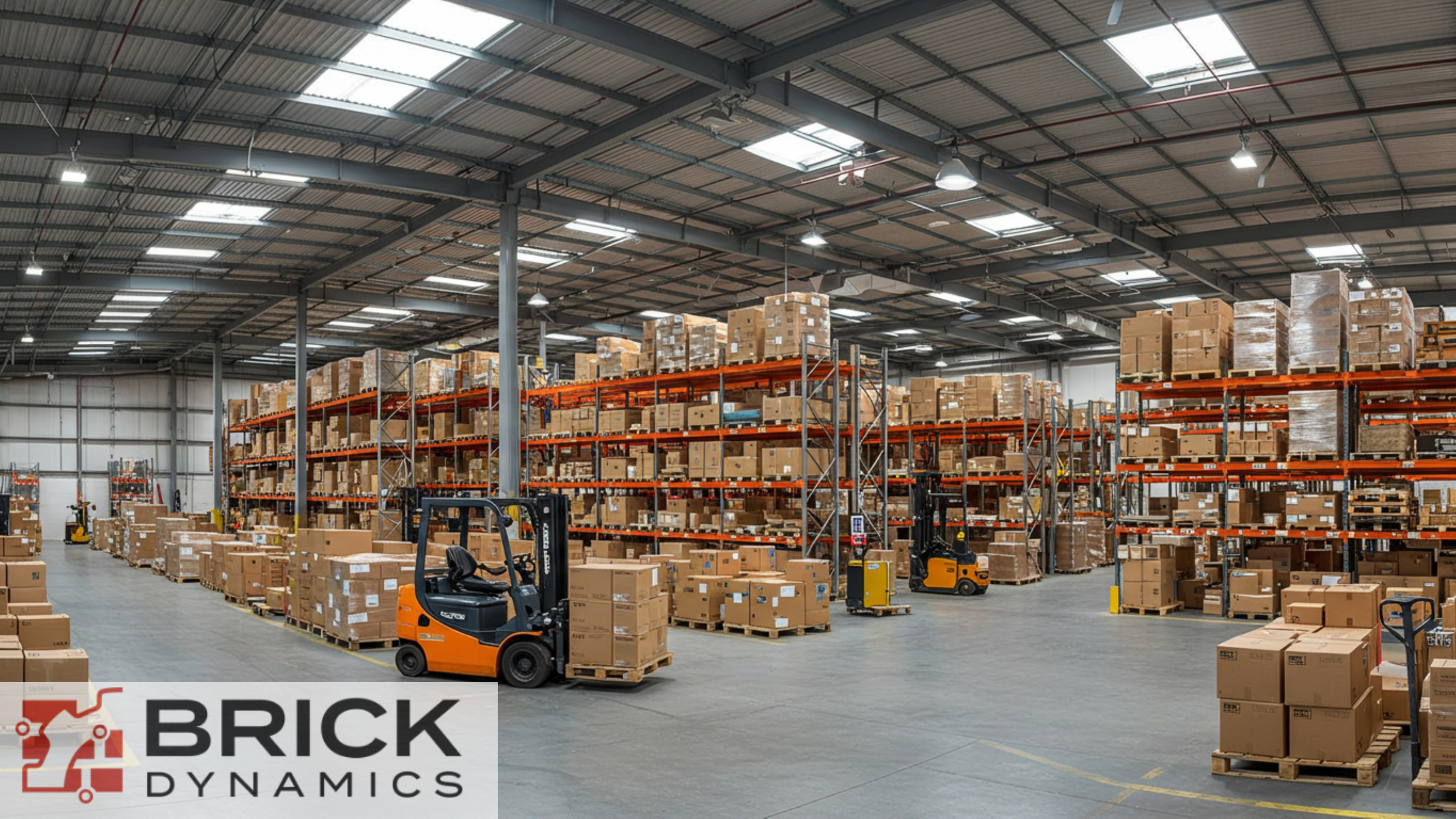
Knowing what the common 3PL problems are is only the first step. The real goal is preventing those problems before they disrupt your logistics operations, increase operational costs, or reduce customer satisfaction. After helping businesses manage warehousing and logistics operations, we’ve noticed that most 3PL problems don’t happen because of one major failure. They usually develop through a series of small issues that go unnoticed until they begin affecting customers. The businesses that avoid these challenges tend to focus on communication, accountability, technology, and continuous improvement from the very beginning. That’s why we use the C.L.E.A.R. Framework to help identify potential risks before they disrupt supply chain operations.
C- Create Clear Communication
Poor communication is one of the biggest 3PL challenges because it affects the entire process. Before work begins, agree on response times, reporting schedules, and open communication channels with your third-party logistics provider. Ask for a dedicated account manager and schedule weekly operational meetings and monthly business reviews to discuss shipment status, customer demand, performance metrics, and service quality. We’ve found that businesses that communicate regularly resolve problems faster and experience fewer shipping delays and operational inefficiencies. Good communication also builds trust and helps both teams respond quickly when unexpected issues arise.
L- Look Beyond Pricing
Low prices do not always mean lower costs. Hidden fees, unexpected fees, long-term storage penalties, account management charges, returns processing fees, and peak-season surcharges can quickly increase operational costs and reduce profit margins. Before signing a contract, request a detailed sample invoice and ask your provider to explain every fee that could apply to your business. Where possible, negotiate limits on storage penalties and special handling charges so there are no surprises later. We’ve learned that businesses that fully understand pricing structures make better decisions and maintain stronger cost control as their logistics operations grow.
E- Embrace Technology and Visibility
Strong technology keeps logistics operations connected from start to finish. Your third-party logistics provider should integrate smoothly with your existing systems through Warehouse Management Systems (WMS), Transportation Management Systems (TMS), and other automated systems that provide real-time visibility and real-time tracking across your logistics network. The Federal Highway Administration explains that better information sharing and technology integration help improve freight movement, coordination, and supply chain performance across transportation networks. Without seamless technology integration, businesses often deal with inventory discrepancies, delayed order processing, poor inventory accuracy, and slower decision-making. As TJ Hennessy says, “Visibility isn’t just about seeing where inventory is. It’s about making better decisions before small issues become expensive problems.”
A- Agree on Performance Standards
Every successful logistics partnership needs clear expectations. Service Level Agreements (SLAs) should define inventory accuracy, order fulfillment targets, delivery timelines, service levels, shipment status updates, and the key performance indicators used to measure success. The U.S. Government Accountability Office explains that organizations achieve better inventory accuracy by using standardized inventory controls, consistent performance measures, and regular physical inventory reviews. Strong SLAs improve accountability, reduce inventory inaccuracies, and help businesses maintain operational efficiency as customer demand changes. They also make it easier to identify problems early and improve service quality over time.
R- Review Performance and Stay Ready
The logistics landscape changes constantly. Rising transportation costs, fuel price volatility, labor costs, regulatory compliance, changing customer demands, and peak seasons can all affect logistics management and supply chain operations. Review your performance metrics regularly, monitor warehouse operations, evaluate transportation routes, and update contingency plans before small issues become expensive problems. Your provider should also have the technology capabilities, flexible warehouse space, and customized solutions needed to support business growth without disrupting operations. Businesses that review performance consistently are better prepared to remain competitive, protect customer satisfaction, and keep operations running smoothly.
What Should You Check Before Choosing a 3PL Provider?
Before signing a contract with a third-party logistics provider, take time to evaluate more than pricing alone. The right provider should support your logistics operations, improve customer satisfaction, and adapt as your business grows. Asking the right questions early can help you avoid many of the common 3PL problems discussed in this guide. Use the checklist below to compare providers and make a more informed decision.
| What to Evaluate | What to Look For | Why It Matters |
|---|---|---|
| Communication | Dedicated account manager, clear response times, regular operational meetings, open communication channels | Reduces poor communication, improves service quality, and keeps logistics operations running smoothly. |
| Pricing | Transparent pricing, sample invoices, breakdown of hidden fees and unexpected fees | Helps control operational costs, protect profit margins, and avoid billing surprises. |
| Technology | WMS, TMS, real-time visibility, real-time tracking, seamless technology integration with existing systems | Improves inventory management, inventory accuracy, shipment status, and order processing. |
| Performance | Key performance indicators (KPIs), Service Level Agreements (SLAs), performance metrics, inventory accuracy targets | Creates accountability and helps measure service levels over time. |
| Scalability | Flexible warehouse space, multiple warehouses, labor capacity, contingency plans | Helps manage peak seasons, changing customer demands, and business growth without service disruptions. |
| Security & Compliance | Regulatory compliance, cybersecurity practices, risk management processes | Protects customer data, inventory, and business operations from unnecessary risks. |
| Industry Experience | Experience in your industry, customized solutions, technology capabilities, strong customer references | Ensures the provider understands your logistics functions and can support your long-term supply chain goals. |
Businesses that ask these questions before choosing a provider are often better prepared to avoid costly 3PL challenges. Looking beyond price and evaluating communication, technology, scalability, and performance gives you a stronger foundation for long-term operational efficiency. The right third-party logistics provider should strengthen your supply chain, not create additional operational challenges.
Looking for a Reliable Third-Party Logistics Partner?
3PL problems are inevitable, but they can be managed and, in many cases, even avoided with the right strategy. All it takes is partnering with a third-party logistics provider that prioritizes transparency, communication, and operational efficiency. When looking for a third-party logistics provider to partner with, review their service quality, technology capabilities, and ability to scale. These factors make the entire process smoother for both your team and your customers. It also helps to maintain clear expectations and monitor performance regularly to help prevent any issues that could grow into larger challenges.
If you’re looking for a 3PL that meets these standards, look no further than Brick Dynamics. With over 1000 operations completed daily, Brick Dynamics promises to deliver the reliable logistics support modern businesses need to keep their supply chain running. Reach out to speak with our logistics specialists and discover how we can streamline your operations.
FAQs
To wrap things up, here are answers to some of the most common questions businesses have about 3PL challenges and logistics partnerships. These insights will help you make more informed decisions and avoid issues before they impact your operations.
What Are the Three Most Common Problems With Supply Chains?
When it comes to supply chains, the three most common problems that businesses often grapple with are delays, poor communication, and inaccurate inventory. Coupled with poor communication, it becomes harder to solve any challenges on the ground because no one knows what the issue is. When inventory counts are wrong, orders arrive incomplete or incorrect, creating even more customer complaints.
What Are the Disadvantages of 3PL?
The biggest disadvantage of using a 3PL is that you lose some direct control over your day-to-day operations. If the provider’s communication is weak or their processes are slow, your customers will feel the impact even though the mistakes weren’t yours. And if the 3PL’s tech doesn’t integrate with yours, getting real-time visibility becomes a challenge.
What Makes a Good 3PL?
A good 3PL provider is reliable, transparent, and communicates consistently. They offer real-time visibility and technology that works smoothly with your own systems. Strong 3PLs are also flexible enough to scale during busy seasons and adapt to your business needs. Most importantly, they take responsibility for performance and maintain consistent service quality.
How Can Businesses Avoid 3PL Problems?
You should set clear SLAs to ensure both sides know exactly what success looks like. It also helps to check in regularly so that you can catch issues early, especially when reviewing performance data together.