
How Do I Choose a Third-Party Logistics Partner?
To choose a third-party logistics partner, you need to first understand which provider supports your business needs, supply chain operations, and long-term growth. When you choose the right partner, you get to reduce costs, improve order fulfillment, and deliver a better customer experience as your business grows. But before you proceed with this stage, you need to know what to evaluate so that it is easier to choose a logistics partner that strengthens operational efficiency and supports business growth.
At Brick Dynamics, we know that choosing the right third-party logistics partner can shape every part of your supply chain, from inventory management and order fulfillment to customer satisfaction and long-term business growth. For the past three years, we’ve helped businesses simplify complex logistics operations through scalable warehousing, fulfillment, transportation, and field support solutions tailored to their operational needs. Today, our network of more than 500 local experts supports businesses across 65+ metros, completing over 1,000 jobs every day. By combining operational expertise with reliable logistics solutions, we help businesses build stronger supply chains, improve efficiency, and adapt confidently as their operations grow. If you’re looking for a trusted logistics partner that can support your business today and scale with you tomorrow, contact Brick Dynamics to discuss a solution built around your goals.
The blog explains how to choose a third-party logistics partner, the key factors that affect logistics performance, and how businesses can evaluate providers effectively for long-term growth.
How Do You Choose a Third-Party Logistics Partner?

To choose the right third-party logistics partner, you need a well-structured approach that is more than just comparing logistics services and pricing models. Businesses have to consider how a partner suits their operations, supports customer satisfaction, and adapts as the business grows. We have seen over time that when decisions are rushed, there can be supply chain disruptions, operational inefficiencies, and customer dissatisfaction that could occur. This should not be the case, as the right 3PL partner should help strengthen logistics operations rather than cause more problems. That is why we recommend the M.A.T.C.H Framework (Map, Assess, Test, Confirm, Harmonize) to evaluate potential providers more effectively.
Map
We begin by mapping out the business’s operational needs, fulfillment requirements, and long-term growth goals before evaluating any provider. This includes understanding order volume, assessing inventory management requirements, evaluating reverse logistics needs, and analyzing e-commerce fulfillment complexity. Businesses should also identify existing logistics challenges and areas where operational efficiency needs improvement. Without a clear understanding of business needs, it becomes difficult to choose the right provider. A strong selection process starts with operational clarity.
Assess
We assess potential partners based on their logistics solutions, service offerings, and ability to support supply chain performance. This includes evaluating fulfillment centers, inventory visibility, customer service quality, and technology capabilities. Providers should also demonstrate strong operational reliability and experience handling supply chain disruptions. In our experience, businesses that focus solely on lower costs often overlook critical factors such as operational reliability, scalability, and long-term supply chain performance. According to the Business Continuity Institute, nearly 80% of organizations experienced supply chain disruptions within 12 months, highlighting the importance of choosing reliable logistics partners.
In our experience, we have seen that businesses make decisions better when they can easily compare providers with the same evaluation criteria instead of just relying on the price alone. This simple comparison table can help you see and evaluate prospective providers clearly before making the final decision.
Test
We recommend testing how well a provider performs before fully committing to a long-term partnership. This may include reviewing communication responsiveness, order accuracy, inventory data visibility, and integration with existing systems or ERP systems. In some cases, providers appear operationally strong until real fulfillment demands expose gaps in performance. Testing helps businesses identify potential issues before they affect customers or disrupt operations. This step reduces risk and improves decision-making confidence.
Confirm
We confirm whether the provider can support long-term scalability as the business evolves and expands into new markets. A strong 3PL partner should adapt to changing order volume, additional product lines, and growing fulfillment demands. Businesses should also evaluate whether the provider offers value-added services and multi-channel capacity. Scalability is critical for maintaining operational efficiency during periods of growth. As Thomas O’Brien explains, “Growth exposes weaknesses in operations faster than stability ever will.”
Harmonize
We focus on how well the provider aligns with the company’s workflows, communication style, and operational goals. Seamless coordination between teams improves operational efficiency and customer experience across supply chains. Poor alignment often creates delays, confusion, and customer dissatisfaction over time. In our experience, the strongest logistics partnerships operate as an extension of the business rather than an outside service provider. As TJ Hennessy notes, “The right logistics partnerships are built on alignment, not just capability.”
The Key Factors to Consider When Choosing a Third-Party Logistics Provider
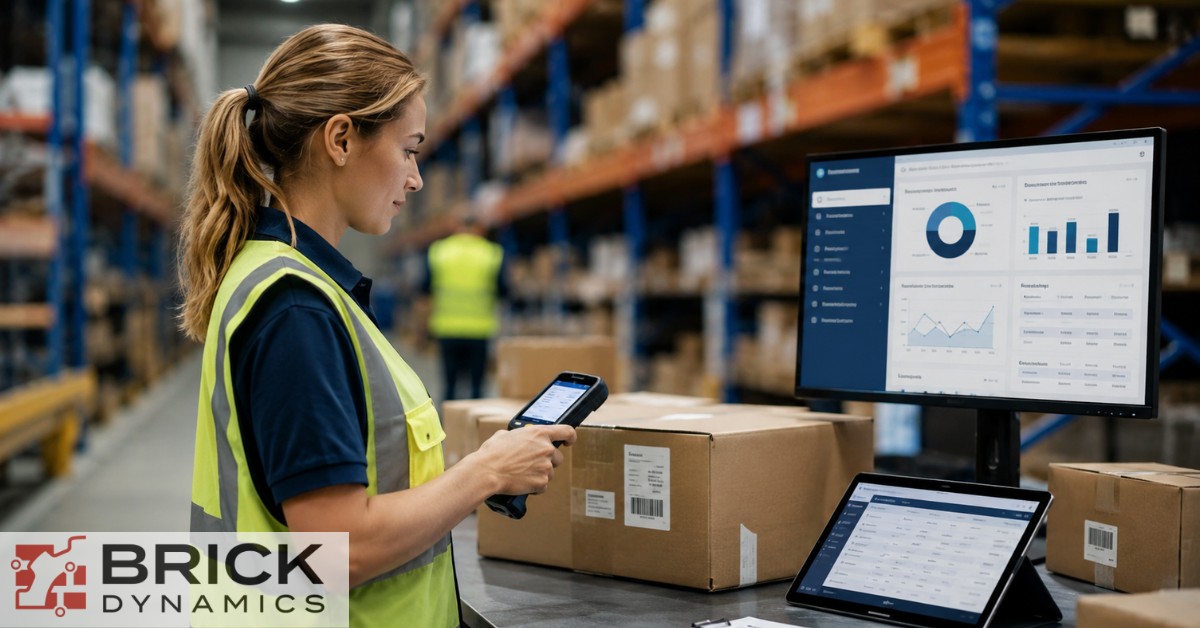
No two businesses have exactly the same logistics requirements, so choosing a third-party logistics provider is rarely a one-size-fits-all decision. A provider that’s the perfect fit for a fast-growing ecommerce business may not be the right choice for a manufacturer with complex distribution needs. That’s why we encourage businesses to look beyond pricing and evaluate how well a provider fits their day-to-day operations, long-term goals, and customer expectations. We’ve learned that the strongest partnerships are built on alignment, not simply on capability. When a provider understands how your business operates, they’re far more likely to support sustainable growth as your needs evolve.
Technology is often one of the first things businesses evaluate, and for good reason. Real-time inventory visibility, accurate order tracking, and warehouse management systems that integrate with your existing systems or ERP platform make it much easier to manage inventory and maintain operational efficiency. According to the Association for Supply Chain Management, companies that rely on manual inventory management processes rarely achieve inventory accuracy above 60%, while digital inventory management improves visibility, efficiency, and productivity through real-time data. We’ve seen businesses spend hours chasing inventory updates simply because disconnected systems couldn’t communicate with one another. As Thomas O’Brien says, “Technology should simplify operations, not create more work. If your logistics partner can’t provide clear visibility, you’re making decisions without the full picture.”
Location and service capabilities deserve just as much attention. A provider with strategically located fulfillment centers can shorten delivery times, reduce logistics costs, and support expansion into new markets without disrupting operations. They should also offer core logistics services such as warehousing, transportation, reverse logistics, and value-added services that align with your business needs today and as your company grows.
It’s also worth looking beyond a provider’s capabilities and understanding how they work. Ask about their order accuracy, on-time delivery performance, communication process, and how they respond when something goes wrong. If your products require specific handling or regulatory compliance, review their certifications, safety protocols, and experience working with similar businesses. We’ve found that these conversations often reveal more about a provider than a polished sales presentation ever could. A reliable logistics partner should inspire confidence long before they handle your first shipment.
Finally, think about where your business will be two or three years from now, not just where it is today. Growth brings higher order volumes, additional product lines, new markets, and changing customer expectations that place greater demands on logistics operations. The right third-party logistics providers scale alongside your business without compromising service quality or customer satisfaction. Choosing a partner with that level of flexibility helps you avoid costly transitions and maintain operational stability as your business evolves. In the end, the right 3PL should feel like an extension of your team rather than another vendor.
| Evaluation Criteria | Why It Matters | Questions to Ask |
|---|---|---|
| Technology | Supports visibility and efficiency | Does your WMS integrate with our ERP? |
| Scalability | Supports future growth | Can you handle seasonal demand? |
| Service Offerings | Ensures operational fit | Which logistics services are included? |
| Geographic Coverage | Reduces shipping time | Where are your fulfillment centers? |
| Performance | Demonstrates reliability | What are your order accuracy and on-time delivery rates? |
| Customer Support | Improves issue resolution | Who will manage our account? |
Why Is a Strong 3PL Partner Important for Business Growth?

A strong third-party logistics partner plays a critical role in helping businesses scale operations, improve operational efficiency, and support long-term business growth. As businesses evolve, logistics operations become more complex and require stronger coordination across fulfillment, inventory management, and transportation. In our experience, companies that build strong logistics partnerships early are often better prepared to manage operational pressure and changing customer expectations. The right provider helps businesses stay focused on core business activities instead of daily logistics challenges. This creates more flexibility for growth, expansion, and long-term operational stability.
One of the biggest advantages of working with a reliable 3PL partner is the ability to streamline operations without sacrificing customer experience. Efficient order fulfillment, accurate inventory management, and reliable shipping processes help businesses maintain customer satisfaction as demand increases. This becomes especially important for e-commerce businesses managing multi-channel fulfillment and growing order volume. Strong logistics support also helps reduce operational strain during seasonal demand spikes or supply chain disruptions. Businesses that scale with operational stability are often better positioned for sustainable growth.
A strong logistics partner also helps businesses improve supply chain performance while controlling logistics costs over time. Providers with advanced logistics solutions, fulfillment centers, and enterprise-level technology can improve visibility and operational coordination across supply chains. In our experience, businesses with stronger operational visibility are often more adaptable during periods of growth or disruption. Better coordination helps reduce inefficiencies and supports more consistent logistics operations. This creates a stronger operational foundation as business needs continue to evolve.
Long-term scalability is another reason why choosing the right 3PL partner is such a critical business decision. In some cases, businesses outgrow providers that cannot adapt to changing order volume, new markets, or additional product lines. This often creates operational bottlenecks that slow growth and increase customer dissatisfaction. A strong logistics partner should support expansion while maintaining operational consistency and excellent customer service. As TJ Hennessy explains, “Sustainable growth depends on operational systems that scale with the business.”
Ready to Choose the Right 3PL Partner?
Choosing the right third-party logistics partner is ultimately about building operational stability, scalability, and long-term efficiency as business needs evolve. The strongest logistics partnerships do more than fulfill orders or manage inventory; they help businesses adapt to growth, improve customer experience, and respond more effectively to operational challenges. In our experience, businesses that approach logistics partnerships strategically are often better positioned to reduce disruptions, improve operational visibility, and maintain stronger supply chain performance over time. What separates successful partnerships from unsuccessful ones is usually alignment, communication, and the ability to scale operations consistently as demand changes.
At Brick Dynamics, we help businesses develop logistics strategies that improve operational efficiency, support scalable growth, and strengthen long-term supply chain performance. Connect with our team to build a logistics partnership designed for flexibility, efficiency, and long-term success.
Frequently Asked Questions
These are quick answers to common questions about choosing a third-party logistics partner.
What Factors Should I Consider When Choosing a Third-Party Logistics Partner?
Businesses should evaluate experience, operational reliability, technology capabilities, scalability, and customer service quality when choosing a logistics partner. The provider should also align with long-term business goals, operational needs, and supply chain requirements.
How Do I Assess the Experience of a Potential Third-Party Logistics Partner?
Review the provider’s track record, industries served, and ability to manage complex logistics operations successfully. Positive reviews, operational consistency, and long-term client relationships often reflect stronger industry experience.
What Role Does Technology Play in Choosing a Third-Party Logistics Partner?
Technology improves inventory visibility, operational efficiency, and communication across logistics operations and supply chains. Providers with advanced systems typically manage order fulfillment and inventory management more effectively.
How Can I Evaluate the Cost-Effectiveness of a Third-Party Logistics Partner?
Businesses should compare pricing structures, operational capabilities, and long-term efficiency rather than focusing only on lower costs. A strong provider should help reduce operational inefficiencies while supporting reliable service performance.
Why Is Compatibility Important When Selecting a Third-Party Logistics Partner?
Strong logistics partnerships depend on alignment in communication, operational processes, and long-term business objectives. Providers that integrate well with existing operations are often better equipped to support growth and operational stability.
How Do I Know If My Business Needs a Third-Party Logistics Partner?
If order fulfillment, inventory management, shipping, or returns are becoming difficult to manage in-house, it may be time to partner with a third-party logistics provider. A 3PL can help streamline logistics operations, improve customer satisfaction, and free up your team to focus on core business activities.
What Services Does a Third-Party Logistics Provider Typically Offer?
Most third-party logistics providers offer warehousing, order fulfillment, transportation management, inventory management, reverse logistics, and value-added services such as custom packaging and returns processing. The right provider should tailor these logistics solutions to your business needs and growth plans.
What Should I Ask Before Choosing a Third-Party Logistics Provider?
Ask about their technology capabilities, order accuracy, fulfillment network, scalability, customer support, and experience serving businesses similar to yours. You should also request performance metrics, service level agreements (SLAs), and a detailed breakdown of pricing to compare prospective providers confidently.