
B2B Experiential Marketing
B2B experiential marketing is a strategy that gives businesses the opportunity to engage with potential customers and clients with interactive and memorable brand experiences. Unlike traditional marketing techniques, this method helps to create connections between brands and the public that eventually strengthen brand loyalty and foster long-term business relationships. These days, businesses compete for attention, and experiential marketing helps them stand out in their various categories.
At Brick Dynamics, we understand that successful B2B experiential marketing requires more than creative ideas. For the past three years, we’ve helped businesses simplify event logistics, field support, customer engagement, and on-the-ground execution to deliver memorable brand experiences that support real business objectives. Today, our network of more than 500 local experts supports businesses across 65+ metros, completing over 1,000 jobs every day. Whether you’re planning trade shows, experiential activation, product demonstrations, or other live marketing events, we provide the operational expertise needed to keep every campaign running smoothly. If you’re looking for an experienced partner to bring your next experiential marketing campaign to life, contact us today.
This guide explains what B2B experiential marketing is, why it matters, and how to create successful campaigns that build stronger business relationships and deliver measurable results.
What Is B2B Experiential Marketing and Why Does It Matter?
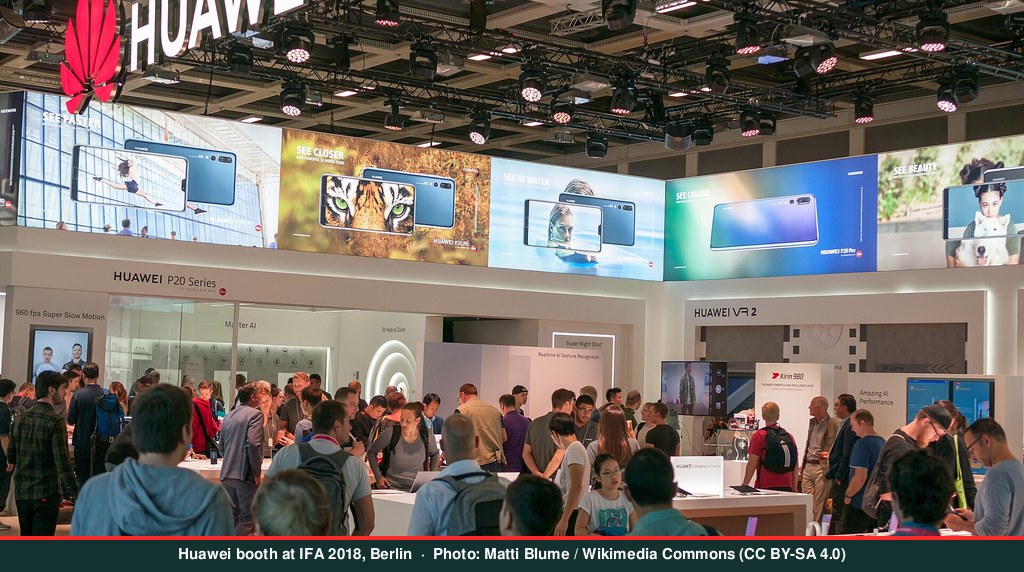
B2B experiential marketing is a strategy that allows businesses to engage with potential clients through thoughtful, interactive brand experiences. It is a preferred method of marketing compared to traditional methods because it encourages active participation that allows prospects to have a feel of the product firsthand. The campaigns under experiential marketing include trade shows, product demonstrations, executive network events, and immersive brand activations. When customers are involved directly, businesses can create meaningful connections that may not be achieved through traditional advertising alone. This method also strengthens brand perception while giving clients a better understanding of the value that a business provides.
Traditional marketing strategies mainly focus on just delivering messages, but experiential marketing focuses on creating experiences that spark conversation, participation, and trust. These interactions will help marketing teams to observe customer behaviour and reaction, gather insights, and understand the things that matter most to their target audience. They also create opportunities to build solid relationships before they make the decision to purchase a product. According to MarketingProfs, 82% of B2B event organizers say their in-person events are very or somewhat effective at achieving business objectives, highlighting the growing value of experiential campaigns in today’s market.
To create a memorable brand experience, businesses need more than just creative ideas. This is because every brand activation should have a clear business objective. In our experience, successful experiential marketing campaigns usually combine strategic planning with engaging experiences that can solve real challenges instead of only attracting attention. As Thomas O’Brien explains, “The most successful experiential campaigns don’t begin with technology; they begin with understanding what your audience needs to experience.” The balance between creativity and strategy is what helps businesses create emotional connections, build brand loyalty, and generate actionable insights that can improve future marketing strategies. It also lays the foundations for campaigns that have tangible business value instead of attention that does not last.
How to Build a Successful B2B Experiential Marketing Campaign
Every successful B2B experiential marketing campaign starts with a clear strategy instead of a creative idea alone. At Brick Dynamics, we use the E.N.G.A.G.E. Framework to help businesses design experiential campaigns that align with their business objectives and create meaningful connections. The framework keeps every decision focused on delivering value before, during, and after an event. It also helps marketing teams balance creativity with measurable outcomes, making campaigns easier to evaluate and improve. While every campaign is different, these six principles provide a practical foundation for creating memorable brand experiences.
E- Establish Clear Business Objectives
Every experiential marketing campaign should begin with a clear understanding of what success looks like. Whether the goal is generating qualified leads, increasing attendee engagement, launching a new product, or strengthening customer relationships, measurable objectives keep every activity focused on delivering business value. In our experience, campaigns that prioritize creative concepts before defining objectives often struggle to demonstrate meaningful results after the event. For example, a software company launching a new platform may focus on scheduling product demonstrations with qualified decision-makers instead of simply attracting large booth traffic. As Thomas O’Brien explains, “The best experiential campaigns don’t start with an event plan; they start with a business objective.”
N- Know Your Target Audience
Understanding your target audience allows every part of the experience to feel relevant and intentional. Different decision-makers have different priorities, so experiential marketing strategies should reflect their challenges, expectations, and buying journey. For example, an operations manager may respond better to a live product demonstration, while an executive may value a private strategy session that highlights long-term business value. One mistake we often see is brands trying to create one experience for everyone, which usually weakens engagement instead of strengthening it. The more relevant the experience feels, the easier it becomes to build meaningful connections that support lasting business relationships.
G- Generate Interactive Experiences
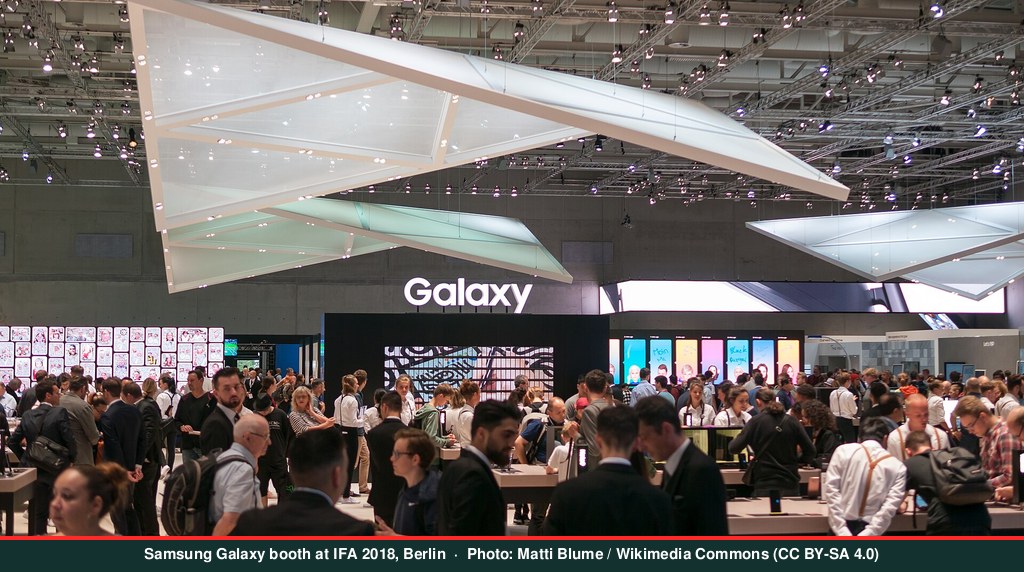
Successful experiential marketing focuses on involving customers instead of asking them to observe from the sidelines. Interactive experiences such as product demos, live workshops, pop-up shops, and experiential activations encourage active participation while helping potential clients understand a solution firsthand. We’ve found that the busiest booth isn’t always the most successful because genuine conversations usually generate better opportunities than large crowds. Creating opportunities for discussion, collaboration, and hands-on learning often leaves a stronger impression than relying on promotional materials alone. As TJ Hennessy says, “People remember the brands that invite them into the experience, not the ones that simply present information.”
A- Activate Multiple Senses
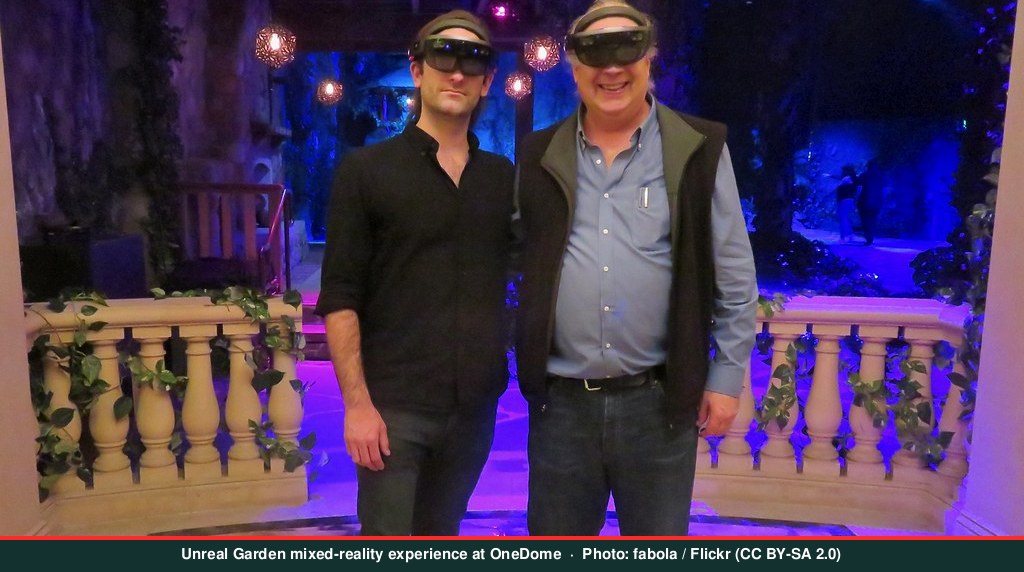
Creating memorable experiences means engaging more than visual attention alone. Businesses can combine physical events with technologies such as augmented reality, virtual reality, or interactive displays to create immersive experiences that appeal to multiple senses without overwhelming attendees. For example, a manufacturing company could combine live equipment demonstrations with augmented reality visualizations that explain internal processes impossible to see with the naked eye. Technology should always support the story rather than become the attraction itself, because complicated experiences often distract from the message. The most effective experiential strategies make complex ideas easier to understand while reinforcing a brand’s identity and expertise.
G- Gather Behavioral Data
Every interaction provides valuable data that can improve future experiential marketing strategies. Beyond collecting contact information, marketing teams should monitor attendee engagement, product interests, dwell time, follow-up requests, and other behavioral data that reveal genuine buying intent. According to the American Marketing Association, organizations that use data-driven marketing are better positioned to optimize customer experiences and improve campaign performance over time. Rather than measuring attendance alone, successful brands analyze customer behavior to uncover actionable insights that strengthen future experiential campaigns. This deeper understanding allows businesses to make smarter marketing decisions while continuously improving customer experiences.
E- Evaluate and Improve
The most successful experiential marketing campaigns continue delivering value long after the event ends. Reviewing campaign performance, attendee feedback, sales conversations, and follow-up activities helps businesses identify what created the strongest engagement and where improvements are needed. We’ve learned that even small adjustments between campaigns can significantly improve customer relationships and overall business outcomes. Sharing these insights across marketing and sales teams also creates better alignment for future experiential events and live marketing initiatives. Continuous improvement ensures every campaign builds on the success of the last while creating stronger, more memorable brand experiences over time.
What Are Popular B2B Experiential Strategies
No single experiential marketing strategy works for every business because every campaign has different objectives, audiences, and budgets. The right approach depends on what you want to achieve, whether that’s generating qualified leads, strengthening customer relationships, or increasing brand awareness. Businesses should choose experiential strategies that align with their target audience, available resources, and overall marketing strategy. At Brick Dynamics, we’ve found that the most successful experiential campaigns combine creativity with clear business objectives rather than chasing the latest marketing trends. The comparison below highlights some of the most effective strategies and where they deliver the greatest value.

| Experiential Marketing Strategy | Best For | Primary Strength | Example |
|---|---|---|---|
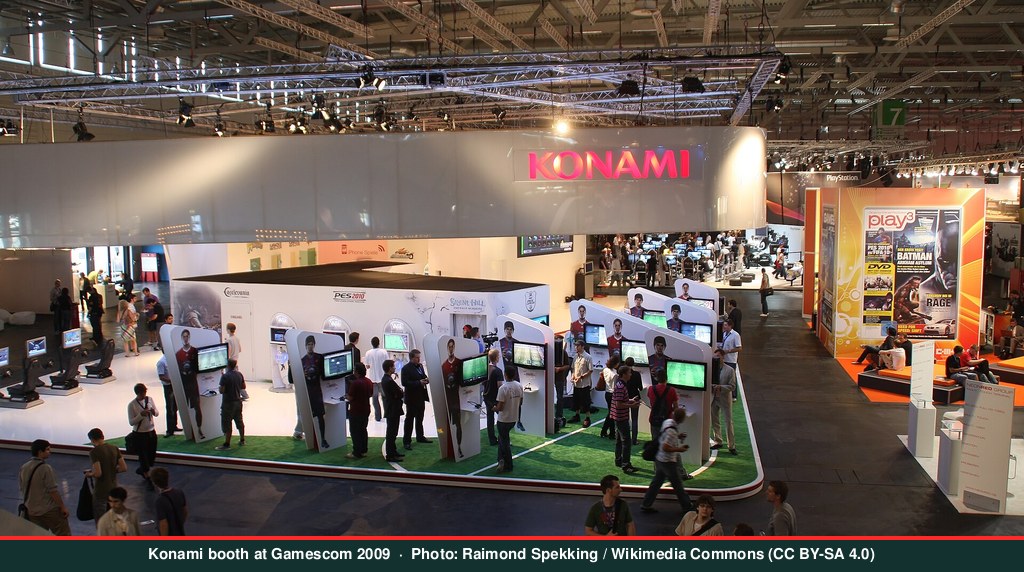
| Trade Shows and Industry Events | Lead generation, networking, and product launches | Creates face-to-face interactions with qualified decision-makers | Exhibiting at an industry conference with live product demonstrations |
| Product Demonstrations | Explaining complex products or services | Helps potential clients experience solutions firsthand | Live software walkthroughs or equipment demonstrations |
| Interactive Installations | Brand awareness and attendee engagement | Creates immersive experiences through active participation | Interactive displays, touchscreens, virtual reality, or augmented reality experiences |
| Executive Networking Events | Building long-term business relationships | Encourages meaningful conversations with high-value prospects | Executive roundtables, workshops, or invitation-only networking sessions |
| Multi-Channel Brand Activations | Extending campaign impact beyond physical events | Reinforces engagement across multiple channels | Combining live events with email follow-up, social sharing, and digital content |
The most effective experiential marketing campaigns rarely rely on a single strategy. For example, a business exhibiting at a trade show might combine product demonstrations with interactive installations and continue the conversation through post-event follow-up across multiple channels. This integrated approach creates memorable brand experiences while giving marketing teams valuable insights into customer behavior and campaign performance. As TJ Hennessy explains, “The ideal experiential campaigns continue long after the event ends because every interaction should move the relationship forward.” By selecting the right mix of experiential strategies, businesses can create deeper connections, generate lasting impressions, and achieve measurable business value.
How to Measure the Success of a B2B Experiential Marketing Campaign
The success of a B2B experiential marketing campaign should be measured with the business objectives you set before the event. Instead of focusing only on attendance, evaluate whether the campaign generated qualified leads, increased attendee engagement, strengthened customer relationships, or improved brand perception. Looking at several performance indicators provides a more accurate picture of what the campaign achieved. This also helps marketing teams understand which experiential strategies delivered the greatest business value. Measuring results consistently makes future campaigns easier to improve.
Successful businesses combine performance metrics with direct customer feedback to understand what influenced buying decisions. Useful metrics include product demonstration participation, follow-up meetings, lead quality, social sharing, and post-event conversions because they show how people engaged with the brand. The 2025 Freeman Trust Report found that 95% of attendees trusted brands more after attending an in-person event, highlighting the long-term value of meaningful engagement beyond immediate sales. As Thomas O’Brien explains, “Success isn’t measured by how many people stop at your booth. It’s measured by how many meaningful business conversations continue after the event.” Reviewing these results after every campaign helps businesses collect actionable insights, refine future experiential marketing strategies, and improve long-term performance.
Ready to Elevate Your B2B Experiential Marketing Strategy?
B2B experiential marketing helps businesses create meaningful connections by turning brand interactions into memorable experiences that build trust and long-term relationships. Unlike traditional marketing approaches, it encourages active participation, giving potential clients the opportunity to experience products, services, and expertise firsthand. When supported by clear objectives, the right experiential strategies, and consistent performance measurement, these campaigns deliver measurable business value beyond the event itself. Businesses that invest in thoughtful experiential marketing also gain valuable insights that improve future campaigns and strengthen customer relationships over time. Ultimately, the most successful campaigns are those that create lasting impressions while supporting real business objectives.
If you’re planning a trade show, product launch, or brand activation, Brick Dynamics can help you create experiential marketing campaigns that deliver successful business results. Connect with our team today to discover how we can bring your next campaign to life.
Frequently Asked Questions
The following are answers to common questions about B2B experiential marketing.
What Is B2B Experiential Marketing?
B2B experiential marketing is a marketing strategy that engages potential clients through interactive and memorable brand experiences. It helps businesses build meaningful connections by encouraging active participation instead of relying solely on traditional marketing.
What Are The Best B2B Experiential Marketing Strategies?
The best experiential marketing strategies include trade shows, product demonstrations, executive networking events, interactive installations, and experiential activations. The right approach depends on your business objectives, target audience, and available resources.
How Is Experiential Marketing Different from Traditional Marketing?
Traditional marketing focuses on delivering messages, while experiential marketing creates engaging experiences that involve customers directly. This hands-on approach helps businesses build stronger emotional connections and improve brand perception.
How Do You Measure The Success of a B2B Experiential Marketing Campaign?
Measure success by tracking qualified leads, attendee engagement, follow-up conversions, and customer feedback against your original business objectives. These insights help marketing teams evaluate performance and improve future experiential marketing campaigns.
Can Small Businesses Benefit from B2B Experiential Marketing?
Yes. Small businesses can leverage experiential marketing through workshops, networking events, product demonstrations, and targeted trade shows to build customer relationships without requiring large budgets.
What Technologies Are Commonly Used in Experiential Marketing?
Many businesses use augmented reality, virtual reality, interactive installations, and data analytics to create immersive experiences and collect valuable insights. These technologies should support the experience rather than replace genuine customer interactions.