
Legal Strategies for 3PL Safety Issues and Solutions
3PL safety issues and solutions refer to the risks and preventive measures involved in maintaining safe and efficient warehouse operations. In third-party logistics, safety directly affects efficiency, as workplace injuries, equipment failures, and unsafe practices can cause costly disruptions. Addressing these issues requires a structured approach that protects workers and keeps operations running smoothly.
At Brick Dynamics, we help businesses identify safety risks, improve safety practices, and implement solutions that strengthen performance and reliability. Our approach aligns safety with operational efficiency, ensuring compliance while reducing disruptions across warehouse operations. Contact our team to develop a practical safety strategy that protects your workforce and supports long-term success.
The blog explains common 3PL safety issues, their impact on operations, and practical solutions to reduce risks and improve efficiency across the supply chain.
Understanding Legal Risks and Strategies in Third-Party Logistics Safety Management
When things go wrong with safety in third-party logistics operations, it does a lot more than just affect your daily schedule; it creates serious legal and financial problems. We’re talking about OSHA violations, workers’ compensation claims, personal lawsuits, conflicts over damaged property, and contract-based battles between the logistics company and its clients. Usually, these problems happen because nobody clearly defined who was actually responsible for safety, the training programs were a mess, or the warehouse was completely ignoring state and federal regulations. Keeping people safe isn’t just about ethics anymore; it’s a massive part of legal risk management for both the 3PL providers and the companies hiring 3PL providers.
Most safety-related legal issues come down to totally preventable gaps in daily operations. Not maintaining the equipment, cutting corners on training employees, a tight or unsafe warehouse structure, and messing up the handling of dangerous materials are all accidents waiting to happen, and they carry significant legal fees. Minor slip-ups can trigger a ripple effect of investigations, huge fines, surging insurance costs, and a ruined reputation in shipping and warehousing. These consequences can collapse both the third-party logistics provider and the client, especially if the contract is unclear about who was actually supposed to be monitoring safety, which makes it worse.
To reduce your legal risk, you have to be proactive and pair real safety management with a solid paper trail. Which means laying down simple safety rules, keeping outstanding training records, conducting regular audits, and ensuring your contracts clarify exactly who is responsible for what. Companies would be able to cut down their liability, stay on the right side of regulations, and actually keep everyone a whole lot safer by building a structured strategy that addresses these 3PL safety issues and solutions.
Legal Tip: A solid paper trail is easily your best shield when regulatory investigations and legal claims come around or if a lawsuit is filed. You prove you did your due diligence and weren’t just cutting corners by keeping meticulous, detailed records of your safety records.
What Are the Common 3PL Safety Issues?

3PL safety issues refer to the operational risks and hazards that arise within warehouse operations and supply chain environments, affecting worker safety, compliance, and overall performance. In third-party logistics, safety is directly tied to operational efficiency, as even minor incidents can lead to shipment delays, increased operating costs, and disruptions across distribution centers. These risks are often amplified in high-volume environments where speed and manual labor intersect with heavy equipment and complex workflows. Without structured safety practices, these environments become prone to workplace injuries and unsafe conditions. Addressing these risks is essential for maintaining reliable service and meeting customer expectations.
One of the most common safety challenges in 3PL operations is equipment malfunction, particularly involving powered industrial trucks, warehouse equipment, and automated systems. When equipment maintenance schedules are not properly tracked, it increases the likelihood of breakdowns, unsafe handling, and accidents. Poorly maintained equipment can also affect fuel consumption, operational efficiency, and long-term overhead costs. In fast-moving warehouse environments, even a small mechanical issue can escalate into a serious safety hazard. This makes proactive equipment maintenance a critical component of occupational safety.
Another major issue is inadequate employee training, especially for forklift operators and workers handling hazardous materials or hazardous chemicals. Without proper training requirements and ongoing training programs, employees may rely on unsafe practices or incomplete knowledge from previous training. This raises the risk of workplace injuries, improper handling of stored materials, and non-compliance with industry regulations. Training gaps are particularly dangerous in environments that require precision and coordination. Consistent staff training is essential to protect workers and maintain a safe environment. For example, in a high-volume warehouse, a forklift operator with limited ongoing training may misjudge load handling, leading to damaged inventory or workplace injuries. In another case, improper storage of hazardous materials can create safety risks that affect both workers and facility conditions.
Poor facility layout is another overlooked but significant safety concern in 3PL operations. Inefficient layouts can lead to blocked emergency exits, unclear exit routes, and congestion around high-traffic areas such as loading zones and storage areas. This heightens the risk of accidents and delays emergency response during critical situations. Inadequate ventilation and improper storage of materials can also create additional hazards, especially in facilities handling sensitive or hazardous products. A well-planned layout is crucial for both safety and operational efficiency.
How Do Different 3PL Safety Approaches Compare?
Not all 3PL safety approaches deliver the same results, and the right choice depends on your warehouse operations, risk level, and operational goals. Some methods rely heavily on manual processes, while others use advanced technology to improve safety and efficiency. Understanding these differences helps businesses choose the most effective strategy to protect workers and maintain operational performance. The comparison below outlines how different approaches perform across key areas.
| Safety Approach | Key Strength | Limitation | Best For | Impact On Operations |
|---|---|---|---|---|
| Manual Safety Management | Low upfront cost and easy to implement | Higher risk of human error and inconsistent safety practices | Smaller operations with limited complexity | Increased risk of workplace injuries and operational disruptions |
| Technology-Driven Safety Systems | Real-time monitoring, data analysis, and improved visibility | Higher initial investment and setup complexity | Large-scale warehouse operations and distribution centers | Reduced risks, improved efficiency, and better compliance |
| Training-Focused Approach | Improves worker safety and reduces unsafe practices | Requires continuous effort and reinforcement | Operations with high manual labor and equipment use | Fewer incidents and improved employee performance |
| Integrated Safety Management (Best Practice) | Combines training, technology, and process control | Requires structured planning and coordination | Businesses focused on long-term operational efficiency | Strong safety culture, reduced costs, and reliable service |
How Can 3PL Safety Issues Be Addressed?
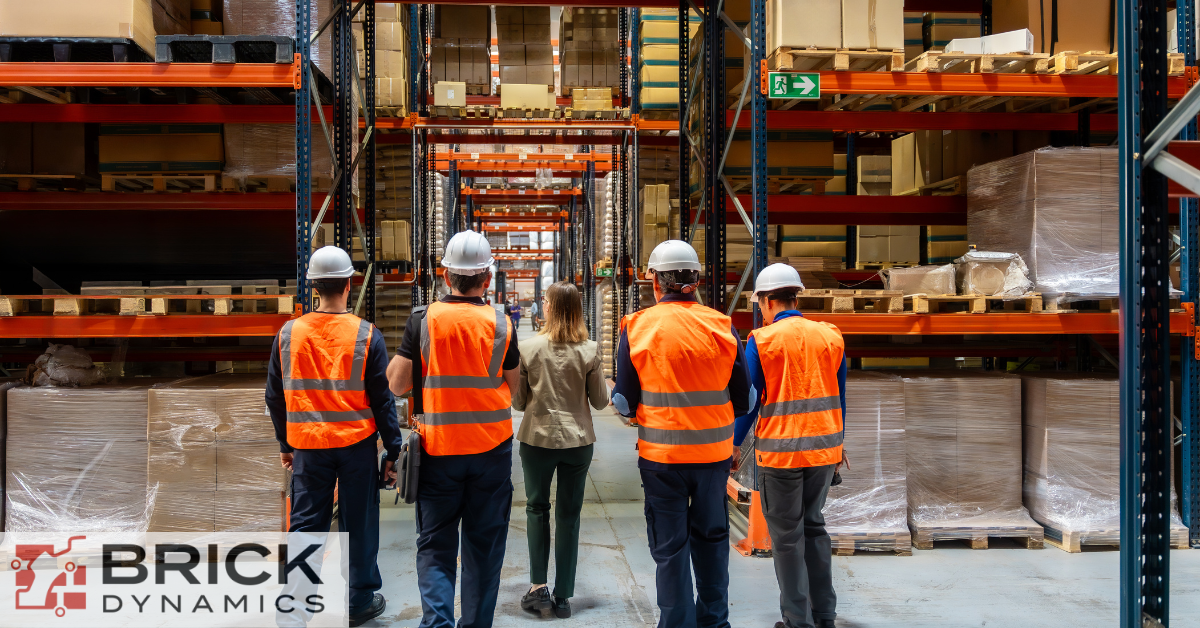
Fixing 3PL safety issues isn’t something you can do on demand; it takes a proactive, structured approach built around protection, tracking, and constant adjusting. The first step is running regular safety checks to notice workplace hazards, unsafe habits, and compliance gaps before they cause serious problems. These checks give you a big picture of your warehouse risks, so you know exactly what needs to be fixed first, while keeping you on track with federal and industry rules. The U.S Bureau of Labor Statistics points out that the transportation and warehousing sector sees about 4.8 injuries per 100 workers, which is much higher than the all-industry average of 2.7, making this a big deal for logistics. You manage risks by building real audits, but the biggest blunder companies make is treating safety like a trial box to check rather than an ongoing process. So many operations run a single onboarding training session and then never secure it; they would rather put off equipment maintenance just to save money. Those gaps are exactly how preventable accidents happen, eventually costing significantly more over time.
Another non-negotiable is executing employee training programs, which is another major move when it comes to fixing safety in 3PL environments. Training can’t just be a one-time thing during onboarding; it needs to be a continuous interaction that constantly reinforces safe habits, proper handling of equipment, and what to do during an emergency. For operating your forklift, handling hazardous materials, and the staff working the lines in order processing and distribution, it is incredibly critical. In order to cut down on mistakes, ensure everyone can adapt when warehouse conditions change, and build a culture where worker safety and compliance actually stick, the training must be consistent.
Upgrading warehouse gear and infrastructure does a lot when it comes to reducing risks and making the place safer to work. We’re talking about the basics like handing out proper personal protective equipment, putting in bright emergency lighting, keeping the sprinkler systems maintained, and ensuring no one obstructs the emergency exits. Facilities also need to invest in good ventilation systems to keep the air clean and fresh. Upgrades like this don’t just secure your crew and reduce the odds of a terrible accident, it also keep inspectors satisfied by checking off all the boxes for safety standards and industry rules.
Your safety and operational control can go to a whole new level with the introduction of advanced tech and warehouse management software (WMS). These systems enable you to track equipment maintenance schedules automatically, monitor how machines perform in real time, and analyze data to identify potential risks before they result in accidents. Automation naturally removes people from some of the most hazardous, back-breaking manual tasks, which is a plus. The data you collect also provides you with a clear roadmap for where to adjust your processes and enhance floor operations. In a lot of our projects, we have worked with businesses that are deeply frustrated over recurring safety incidents, usually because their training is disorganized or they keep missing routine maintenance. By introducing structured audits and making it crystal clear who actually owns each safety process, we’re able to help them significantly reduce the occurrence of accidents and completely regain control of their warehouse operations.
How to Build Legally Compliant 3PL Safety Practices

-
Managing 3PL safety involves handling worker safety, regulatory compliance, formal obligations, and operational efficiency while reducing legal risk. Training gaps, documentation, or compliance can quickly develop into workplace injuries, regulatory penalties, or liability disputes without a structured plan. To help businesses handle these issues, the C.L.E.A.R. Framework (Comply, Limit, Educate, Audit, and Review) provides a practical approach to strengthening safety performance while enabling legal and regulatory compliance across warehouse operations.
C – Comply with Safety Regulations
The bedrock of any legally compliant safety program is being able to understand and follow regulations appropriately. For 3PL providers, this often includes OSHA requirements, workplace safety standards, hazardous material handling regulations, and safety obligations according to the state. Compliance maintenance demands regular inspections, proper documentation of safety procedures, and consistent enforcement of workplace policies. Businesses that focus on compliance have a better chance of reducing workplace injuries, avoiding penalties, and maintaining uninterrupted operations.
Compliance Reminder: Regulatory compliance should be treated as a continuous process rather than a one-time obligation. Safety programs remain aligned with evolving regulations and operational conditions by ensuring regular reviews.
L- Limit Liability Through Warehouse Contracts
Contracts are of great importance when it comes to keeping 3PL partnerships from turning into legal problems. Clearly spelling out who is responsible for safety, what the insurance requirements are, how incidents get reported, and how to handle fights before anything goes wrong eliminates assumptions. Keeping both the logistics provider and the client accountable because everyone is aware of their responsibilities from day one is a sign of a well-structured agreement. Tying down these health and safety obligations upfront is how you avoid chaotic courtroom disputes and build a long-lasting partnership. In the words of TJ Hennessy, “Clear expectations create stronger partnerships. When safety responsibilities are defined from the beginning, businesses can focus on operations instead of resolving avoidable disputes.”
E- Employees Training
Employee training is easily one of the most effective ways to cut down workplace risks and tighten your compliance. Your employees will constantly need instructions on how to operate equipment, handle emergencies, spot hazards, and move materials safely. Training continuously keeps safety awareness and ensures employees can handle new gear, process changes, or updated regulations without mistakes. Essentially, a well-trained workforce doesn’t just prevent accidents; it gives you the proof you need to show due diligence if inspectors or investigators come around.
A- Audit and Document Everything
Standard audits act as an early warning system, identifying safety issues before they turn into serious legal or operational problems. Inspecting warehouse conditions, maintenance logs, and training records provides a clear picture of what your safety performance looks like. But spotting issues is only part of the process because documentation is just as critical. Maintaining detailed records proves your policies are actually being followed every day. A well-documented record protects the business, keeps teams accountable, and proves due diligence during regulatory inspections or liability claims.
Legal Tip: If safety procedures, inspections, or training activities are not documented, it may be difficult to prove they were consistently performed.
R- Review and Improve Regularly
Safety management needs to grow right along with your business. Safety programs have to be reviewed and updated as your facilities expand, regulations shift, and new tech rolls out. Regular performance reviews are important as they help you identify repeated risks, check if your safety initiatives are actually working, and find areas to improve. What allows a business to maintain compliance, lower its legal risk, and build a safer, more efficient warehouse operation over time is by simply embracing continuous improvement.
Before and After Implementing the C.L.E.A.R. Framework
Before Implementation After Implementation Inconsistent safety practices Standardized safety procedures Frequent compliance gaps Stronger regulatory compliance Unclear safety responsibilities Defined accountability and ownership Limited documentation Comprehensive audit trails Higher workplace injury risk Improved worker safety and awareness Greater legal exposure Reduced liability and stronger risk management
How Do 3PL Safety Solutions Benefit Operations?
Implementing 3PL safety solutions leads to a direct reduction in workplace injuries, which has both human and operational benefits. Fewer injuries mean safer working conditions, reduced downtime, and improved employee confidence. According to the U.S. Bureau of Labor Statistics, private industry employers reported 2.5 million nonfatal workplace injuries and illnesses in 2024, highlighting the scale of safety risks across operational environments. This results in a more stable workforce and minimizes disruptions across warehouse operations. It also lowers liability costs and insurance expenses.
Safety improvements also contribute to lower operational costs by reducing inefficiencies and preventing costly incidents. Equipment failures, accidents, and delays can significantly increase operating costs and impact profit margins. By maintaining proper equipment maintenance schedules and improving safety practices, businesses can reduce these risks. This results in improved cost control and more predictable operations. Over time, these savings contribute to stronger financial performance. In some cases, businesses that invest in safety improvements early see faster gains in efficiency and cost reduction. In contrast, operations that delay safety upgrades often face higher costs due to injuries, downtime, and equipment failures.
Another key benefit is improved operational efficiency across supply chain operations. Safe environments allow workers to perform tasks more effectively without interruptions or hazards. This improves order processing speed, inventory management, and overall workflow efficiency. It also supports better coordination across distribution centers and logistics services. Efficient operations help businesses remain competitive in a fast-moving market.
Safety solutions also enhance customer satisfaction by ensuring consistent and reliable service delivery. When operations run smoothly without disruptions, businesses can meet customer expectations more effectively. This results in improved service quality and stronger client relationships. Reliability becomes a key differentiator in the logistics industry. As TJ Hennessy emphasizes, “Reliable service is built on safe and efficient operations.”
Risk Mitigation Through Contract Negotiations in 3PL Partnerships
Contracts are essential for managing safety risks in 3PL partnerships. Well-structured agreements define responsibilities, create accountability, and remove uncertainty when incidents occur. It’s easy to end up in complicated disputes over liability, insurance obligations, safety standards, and compliance duties without clear legal terms. Due to the constant change of safety risks, businesses need to regularly review these agreements to ensure they actually reflect daily operational realities and regulatory expectations.
Negotiation Tips for Balancing Liability and Safety Obligations
The main focus when negotiating 3PL agreements should be creating a balanced arrangement that shares risk, rather than just trying to transfer all the responsibility onto one party. You need to clearly define safety responsibilities, establish solid reporting requirements, specify precise insurance coverage levels, and outline the exact steps for handling safety incidents correctly. Bringing in legal counsel during these negotiations is highly necessary, as it’s the best way to detect hidden gaps that could leave either side exposed to unnecessary risk.
The following clauses are commonly included in 3PL agreements to support safety and risk management:
| Contract Clause | Purpose | Benefit |
|---|---|---|
| Indemnification | Defines responsibility for losses and claims | Reduces legal disputes |
| Insurance Requirements | Establishes minimum coverage obligations | Protects both parties financially |
| Safety Audit Rights | Allows verification of safety practices | Improves compliance and accountability |
| Incident Reporting Requirements | Defines notification procedures | Improves transparency |
| Dispute Resolution | Establishes a process for resolving conflicts | Reduces litigation cost |
What Are the Next Steps for Enhancing 3PL Safety?
The first step in improving 3PL safety is conducting a comprehensive safety assessment to identify potential risks across warehouse operations. This includes reviewing the condition of equipment, the levels of employee training, and compliance with safety standards. A detailed assessment helps businesses understand their current safety performance and identify areas that require immediate attention. It also provides a baseline for measuring improvement. This step is essential for creating an effective safety strategy.
Setting clear safety goals is the next step in building a structured safety roadmap. These goals should align with business objectives and focus on reducing workplace injuries, improving compliance, and enhancing operational efficiency. Clear targets help create accountability and guide decision-making. They also make it easier to track progress over time. Well-defined goals ensure safety initiatives remain focused and measurable.
Investing in technology and advanced tools helps businesses improve safety and operational visibility. Warehouse management software, automated systems, and data analysis tools allow companies to monitor performance and identify risks in real time. These technologies support better decision-making and reduce reliance on manual processes. They also help businesses adapt to operational changes more effectively. Technology plays a key role in modern safety management.
Finally, businesses should focus on continuous improvement and adaptation to maintain long-term safety and efficiency. This includes updating safety practices, providing ongoing training, and responding to changes in the market and industry regulations. Regular reviews ensure safety measures remain effective and relevant. Continuous improvement helps businesses stay competitive and resilient. Over time, this approach creates a safer, more efficient, and more reliable operation.
Ready to Implement 3PL Safety Solutions?
3PL safety issues and solutions play a critical role in maintaining efficient warehouse operations, protecting workers, and ensuring consistent supply chain performance. This guide stands out by combining real operational risks, structured solutions, a practical framework, and data-backed insights to help businesses approach safety with clarity and control. When safety practices are properly implemented, businesses can reduce workplace injuries, lower operating costs, and improve overall operational efficiency. More importantly, a strong safety foundation supports reliable service, better customer satisfaction, and long-term growth.
Brick Dynamics works with businesses to identify risks, improve safety practices, and implement solutions that keep operations running smoothly. To ensure your 3PL partnership is legally sound and safety compliant, connect with us today for expert guidance.
Frequently Asked Questions
Here are quick answers to common questions about 3PL safety and warehouse operations.
What Are the Risks of 3PL Operations?
3PL operations face a variety of risks, including workplace injuries, equipment failures, regulatory violations, cybersecurity threats, and supply chain disruptions caused by natural disasters. Managing these risks requires businesses to address various aspects of safety, compliance, and operational performance. Effective safety protocols help reduce incidents while supporting reliable service delivery across warehouse operations.
What Are the Do’s and Don’ts of Warehouse Safety Rules?
Businesses should make worker safety a top priority by providing ongoing training, maintaining equipment, and enforcing clear safety protocols throughout their facilities. Organizations should also stay aligned with OSHA standards and regularly review workplace conditions for potential hazards. Common mistakes include neglecting maintenance schedules, failing to document training, and treating safety as a one-time initiative rather than an ongoing responsibility.
What Strategies Help Ensure Compliance With Safety Regulations?
Strong compliance programs typically combine employee training, regular safety audits, documented procedures, and continuous monitoring. Staying informed about OSHA standards, industry regulations, and updates from the Occupational Safety and Health Administration is equally important for maintaining compliance. Businesses that consistently review and improve their safety practices are often better positioned to reduce liability and avoid costly penalties.
How Can Legal Contracts Protect Against 3PL Safety Liabilities?
Contracts help define each party’s responsibilities regarding workplace safety, incident reporting, insurance requirements, and compliance expectations. Well-structured service level agreements can establish accountability while reducing the risk of disputes when safety incidents occur. Clear contractual language is a key aspect of risk management because it helps both parties understand their legal obligations and operational responsibilities.
What Is the Biggest Safety Challenge in Warehouse Operations?
While equipment failures and facility hazards remain significant concerns, many safety professionals consider the human factor to be one of the biggest challenges in warehouse operations. Unsafe behaviors, inconsistent training, and poor communication can contribute to workplace incidents even when safety systems are in place. Addressing the human factor through ongoing education, supervision, and engagement helps create a stronger safety culture and more reliable operational performance.
Why Is Safety So Important in 3PL Operations?
Safety affects much more than regulatory compliance. It influences employee well-being, operational efficiency, customer satisfaction, and long-term business performance. A strong safety program helps businesses meet their legal obligations, reduce disruptions, and create a safer working environment. When safety becomes a core business priority, organizations are better equipped to manage risks and maintain consistent service levels across the supply chain.