CX · Logistics · Warehousing · Fleet Management Your Solution Is One Click Away →
Skip to main content
Solutions
Market ExpansionFleet & Field OperationsDistributed WarehousingEvents & Activations
Industries
AV & RoboticsHardwareDistributed ProductsEvents & ActivationsEnergy & InfrastructureMedical Devices
LoginBook a Strategy Call
Skip to main content
heading_icon
TRADE LOGISTICS

Trade Show Logistics Services Built for Flawless Event Execution

With fixed shipping deadlines and strict delivery windows, on-time delivery has become an essential criterion for a successful trade show setup. As a result, more exhibitors are turning to professional trade show logistics instead of standard freight shipping to ensure their materials arrive on time and ready for installation. Over the years, Brick Dynamics has worked closely with multiple event teams across the US to ensure their trade show materials arrive on time and in good condition. We’ve seen firsthand how the right logistics strategy can be the difference between a stressful move-in and a seamless show opening.

Need a trusted trade show logistics provider? Brick Dynamics leverages years of US-based experience, hands-on event coordination, and reliable shipment management to keep your exhibits on time and protected. Speak with a consultant today to enjoy a stress-free experience at your next trade show.
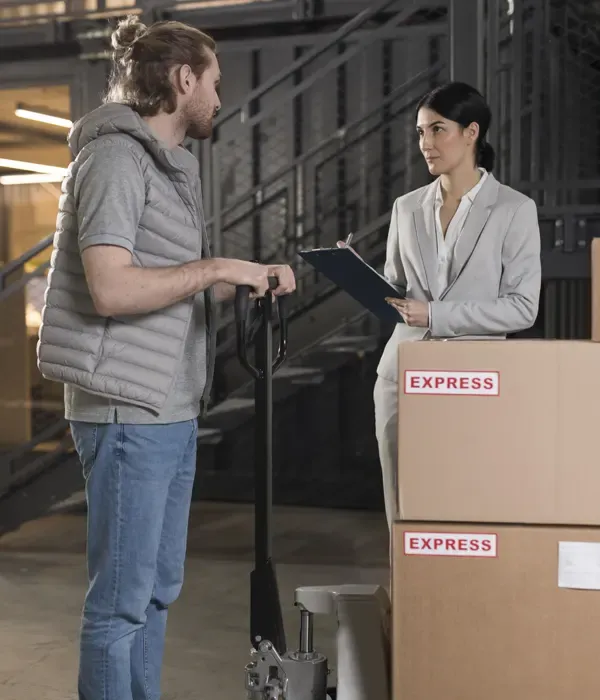
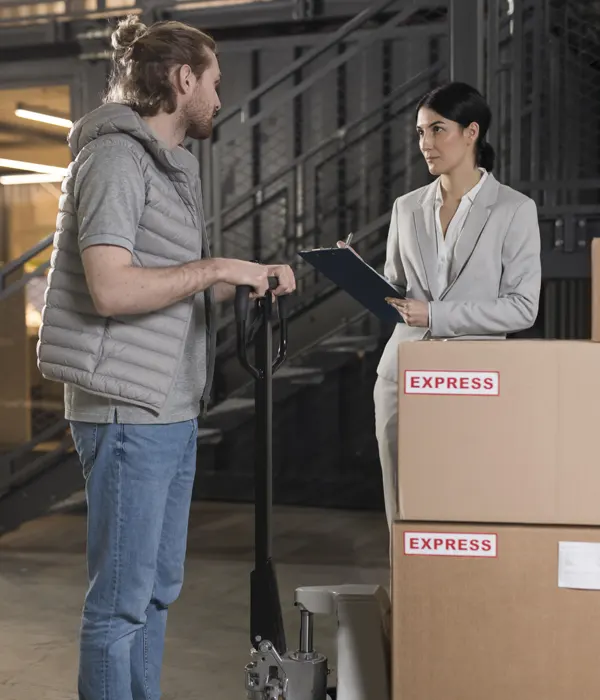
Trade Show Logistics

What Is Trade Show Logistics?

Trade show logistics, also called event logistics and exhibit logistics, is the specialized planning, transportation, handling, and coordination of exhibition materials required for live events and trade shows. Unlike standard freight, it operates within fixed event timelines, where delays or noncompliance can disrupt setup and trigger added costs. It is for this reason that many exhibitors now rely on professional trade show logistics providers to manage every step of the shipping and setup process.

Key Components of Successful Trade Show Logistics

The term “trade show logistics” refers to a set of coordinated services that work together to make sure your display is up and running before your attendees walk through the door. Some key components of trade show logistics include transportation to and from the venue, material handling, advance storage and warehousing, booth preparation, on-site coordination, and customs clearance for international events.

Pre-Event Planning and Scheduling

The easiest way to avoid any last-minute changes that often lead to expedited shipping costs or missed appointments is to plan on time. Because these events operate on such rigid timelines, your planning has to be locked in months in advance. That said, without proper coordination, even a well-mapped-out transportation plan can fail at the finish line. Not to mention, effective planning also accounts for venue-specific rules, reducing the risk of delays or rejected deliveries. This is what makes pre-event planning and scheduling the foundation for every successful trade show shipment.

Secure Packing and Trade Show Freight

Your booth isn’t just some cargo; it’s a high investment that’s often fragile and difficult to move. This is why “good enough” packing won’t cut it. Beyond just protecting your assets, your crates need to be easy for carriers and venue staff to handle. That is to say that the right packaging doesn’t just protect your assets during transit but also ensures shipments meet carrier and venue handling requirements. Timing is also important because if your shipment arrives too early or too late, you could be looking at hefty storage fees or, even worse, being turned away from the dock entirely.

Advance Warehousing and Staging

Think of warehousing as a safety net. By staging materials near the venue, you gain total control over the final delivery. It allows you to release shipments at the exact moment they’re needed, bypassing the typical congestion at the convention center docks. Warehousing also supports last-minute adjustments, such as partial shipments or changes in booth materials.

Venue Delivery and Material Handling Coordination

Venue delivery is one of the most regulated phases of trade show logistics. Most convention centers have strict rules about which carriers they allow and exactly when you can hit the dock. At this stage you should do all you can to play by the venue’s playbook and avoid any unnecessary back and forth. By following laid-out rules and regulations, you’re guaranteed to have your freight delivered, unloaded, and transferred to the booth location without unnecessary delays or fees. Proper coordination also reduces reliance on costly on-site corrections when issues arise.

Trade Show Booth Setup and Breakdown Support

Some people consider setup and teardown to be the highest-pressure moments of the show. If your materials aren’t there when the labor crew arrives, you’re essentially paying people to wait. The best trade show logistics providers do all they can to make sure everything is accessible the moment the green light is given. This alignment helps prevent idle labor, rushed installations, or damage from poor sequencing. The same energy should also apply to the breakdown process since venues often enforce strict move-out deadlines.

Post-Show Return Shipping and Storage

This final step determines what happens after the event ends, but it’s often overlooked until problems arise. Post-show logistics ensures your gear is properly labeled and routed for the next stop, whether that’s a warehouse or another event. Any lapses at this stage can result in losses, misrouted freight, or unnecessary charges for storage.

Benefits of Professional Trade Show Logistics

Every exhibitor’s worst nightmare is arriving at their show to find their freight delayed, their booth incomplete, or key materials missing altogether. And the worst part is that situations like these don’t just cause you stress but also lead to real financial losses. Which brings us to the first benefit of trade show logistics: cost control.

Trade show logistics providers can help you keep costs down by making sure your freight arrives only within approved delivery windows. Keep in mind that even early deliveries can trigger unnecessary storage and re-handling fees, making it important for your shipment to arrive exactly when it’s expected, not just as soon as possible.

For brands juggling multiple shows or tight schedules, professional trade show logistics brings structure to an otherwise chaotic process. Rather than going through the stress of replanning shipments and timelines for every event, your process becomes a repeatable system you can rely on. This means that key areas like storage, routing, and scheduling are handled in a way that keeps materials moving smoothly from one show to the next without disruption.

Another benefit of trade show logistics is that it improves the experience for both exhibitors and attendees. Attendees view your brand as organized and professional when booths are fully set up before doors open. On the exhibitor side, it reduces day-of stress and allows teams to focus on engagement instead of logistics.

Our Trade Show Logistics Process

At Brick Dynamics, we treat trade show shipping as a complete, end-to-end process with a single goal in mind: to pull the uncertainty out of your calendar and the risk out of your budget. By managing each phase in sequence, we make it easier for you to stay on schedule, control costs, and focus on the event itself rather than the logistics behind it.

01

Trade Show Planning and Strategy Development:

We start by aligning your logistics plan with the event timeline, venue requirements, and show objectives. To make sure nothing gets overlooked, we make sure everything aligns with your venue’s fine print rules from the get-go. This also allows us to identify any potential constraints before they get a chance to impact your schedule. Ultimately this means you’ll welcome fewer surprises and a clearer path from planning to execution.

02

Shipping and Transportation Coordination

Once the plan is set, our next line of action is to coordinate transportation to meet your event-specific timelines. We want to help you avoid anything that could inflate your trade show expenses, including early arrivals and late deliveries. Throughout transit, we keep the lines of communication wide open, so you’re never left wondering where your investment is.

03

Advance Warehousing and Staging

When needed, we can stage your materials ahead of the event. This allows us to release shipments at the right moment and adjust quickly if schedules change. Staging also helps avoid early delivery penalties and reduces congestion at the venue, creating a much-needed buffer for both time and money.

04

Venue Delivery and On-Site Logistics Management

To avoid any form of delay, our team will be at the venue to ensure every delivery meets dock schedules, carrier rules, and material handling requirements. If any issues pop up on-site, we step in immediately to resolve them before they affect your schedule.

05

Booth Setup and Breakdown Coordination

To make transitions in and out of the show floor far less stressful, we make sure your materials are ready exactly when your team needs them. During breakdown, we ensure everything is safely packed and cleared out, protecting your assets for future events.

06

Post-Show Return Shipping and Storage

After the event, we handle return shipping, storage, or routing to your next show. We ensure materials are properly labeled, scheduled, and protected to avoid loss or misdirected freight. Managing this final phase closes the loop cleanly and prepares you for what’s next. For you, it means one less thing to coordinate once the show ends.

Why Choose Brick Dynamics for Trade Show Logistics?

We’ve spent years navigating the high-pressure environment of the trade show floors, which allows us to offer a level of support that general freight companies simply can’t match. Here is how we put that experience to work for your brand:

Deep understanding of trade show timing and constraints: Unlike general freight services, we plan shipments around fixed delivery windows and venue rules to avoid delays and unexpected fees.

Proactive on‑site coordination and support: Beyond transportation, we also coordinate with show organizers, venue personnel, and material handlers so your shipments are received, unloaded, and ready for installation as scheduled.

Real‑time visibility and communication: We keep all clients informed at every stage, from initial pickup to delivery and post‑show returns, with clear updates and proactive troubleshooting.

Customized, event‑focused logistics plans: We tailor solutions to match your schedules, venue requirements, and exhibit size, whether you’re exhibiting locally, nationally, or internationally.

End‑to‑end support from planning through post‑show: Trade show logistics doesn’t end when the doors open. We handle return shipping, secure storage, and multi‑event staging so your assets are protected and ready for your next show.

Let Brick Handle All Your Trade Show Logistics Needs

More businesses are moving away from standard freight because trade shows demand far more than basic transportation services. Professional trade show logistics reduces delays, protects assets, and ensures on-time delivery, helping exhibitors avoid rushed handling, surprise fees, and last-minute fixes. Our hands-on approach and years of experience with US-based events mean your materials arrive when and where you need them so that your event can run smoothly from load-in to breakdown. Let Brick Dynamics manage your next event’s logistics so you can focus on delivering a flawless exhibition. Contact us today.

FAQs

If you have a question that isn’t covered here, feel free to reach out, and one of our logistics experts will be happy to address all your concerns.
What Are the Key Components of Trade Show Logistics?
The core components of trade show logistics include transportation to and from the venue, material handling, advance warehousing, booth setup and breakdown, and on-site coordination. These individual services work together to ensure your exhibit materials arrive on time and ready for installation when the crew arrives.
How Can I Reduce Costs for Trade Show Logistics?
You can reduce trade show logistics costs by planning shipments early, which lowers the need for expedited transportation. Another thing you can try is using advanced warehousing to help you avoid early-arrival penalties and prevent unnecessary material handling fees.
How Can I Analyze Trade Show Logistics Costs and Build a Budget?
Start by listing every expected cost, including transportation, material handling, storage, labor, and post-show shipping expenses. Also review your past show invoices to spot where fees increased due to delays or rushed handling. Finally, try to build your budget around fixed delivery windows and known venue rules to keep costs more predictable.
What Are Common Trade Show Logistics Mistakes and How Can I Avoid Them?
Common trade show logistics mistakes include missing delivery windows, using standard freight instead of specialized services, and underestimating material handling costs. These issues often lead to delays, added fees, or damaged exhibits. You can avoid them by planning early, confirming venue requirements, and working with a provider experienced in trade show freight and event logistics.