
How to Host a Pop-Up Event
Pop-up events have become a popular way for brands to connect with customers in creative and memorable ways. These temporary retail experiences allow businesses to step outside the traditional store and engage audiences in high-traffic, unexpected locations. When planned thoughtfully, a pop-up event can grab attention, spark conversations, and create meaningful interactions that strengthen brand loyalty.
Brick Dynamics has supported brands by executing pop-up events with coordinated logistics, retail installations, and on-site operational expertise. Our teams help businesses manage temporary retail activations across multiple locations while maintaining efficiency, safety, and consistent brand presentation. Contact us today to ensure your next pop-up event runs smoothly from setup through closing.
This guide explains how to host a pop-up event, covering planning strategies, execution steps, and practical insights to help brands create memorable experiences.
How Do You Host A Pop-Up Event?
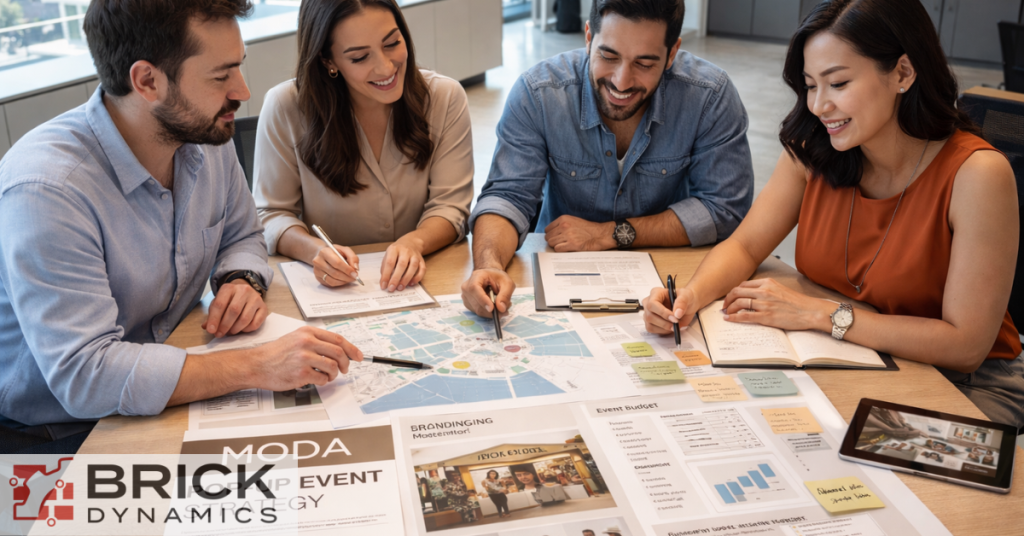
Being able to host a successful pop-up event comes down to balancing your marketing goals with seamless logistics. To execute this, many teams use the S.P.A.R.K. framework: Strategy, Place, Approvals, Reach, and Kickoff. This step-by-step approach guides you through everything from managing paperwork to driving and engaging customers. Following each stage precisely allows you to build serious brand awareness and run a high-performing event. According to research, 88% of event marketers now lean heavily into event data. Having a structured plan like this is vital for monitoring your success and seeing what truly works.
S- Strategy
The first stage is all about perfecting your goals and knowing exactly who your audience is. Deciding if this pop-up is meant to drive sales quickly, test out market research, or just get a clear perspective on your brand is crucial. It is also smart to study customer data and understand your environment before locking in your concept. For instance, a small business we partnered with launched a weekend pop-up just to test the waters before opening a brick-and-mortar store. As our co-founder Thomas O’Brien once said, a clear strategy shapes everything from the floor layout to how people move through the space, making sure the event actually delivers real, measurable results.
P- Place
The second step is Place, and this is all about finding the perfect spot. Brands usually look for empty shops or retail spaces in busy areas where a lot of people walk. Setting up your shop near popular spots or local events would definitely pull in a much bigger crowd. For example, a fashion pop-up we saw in an active shopping district managed to attract thousands of new customers very quickly. When looking out for spaces, experts always say to focus on three things: how easy it is to find, how visible it is, and who your neighbors are.
A- Approvals
The third stage centers on approvals, permits, legal rules, and logistics. Any temporary setup has to clear local government regulations before launching. Meaning, your team must ensure permits, insurance, and rental fees are double-checked well before anyone starts building. A beverage company we know completely avoided roadblocks by simply sorting its paperwork weeks in advance. As Brick co-founder TJ Hennessy puts it, delays in approvals are one of the most common reasons pop-up events fail to launch on time, which is why early planning is critical.
R- Reach
Reach is the fourth stage, which is essentially your marketing plan to get people eager before starting. Brands usually attract interest using social media, teaming up with influencers, or partnering with other businesses. With the main goal of building hype and brand awareness ahead of time. For example, a beauty brand that worked with Brick Dynamics absolutely packed their space during opening weekend because of this. As co-founder Thomas O’Brien says, generating buzz before launch is what determines turnout, not just the location or setup.’
K-Kickoff
The final stage is the Kickoff, and this is all about bringing the concept to life and running things smoothly on the special day. This is when the whole thing is put together, from setting up the space, testing interactive features, and getting the staff ready. So many brands adopt operating systems during this stage just to observe the details and follow how people are enjoying themselves. We have even seen where a tech brand used virtual reality headsets to completely stop people in their tracks and pull them in.
If a pop-up will magically bring in sales without an actual plan is the biggest trap you can fall into. Another mistake is thinking you can just pick any busy sidewalk, ignore the paperwork, or compromise on staffing. For example, one shop on a huge high-traffic street completely flopped simply because it was boring, which ultimately proved that location means nothing if you don’t actually give people something to do. Avoiding these mistakes is how you produce an experience that builds real interest. As event experts like to say, nailing the execution is how you leave a lasting impression that turns casual visitors into loyal customers.
What Is a Pop-Up Shop? Definition and Key Characteristics
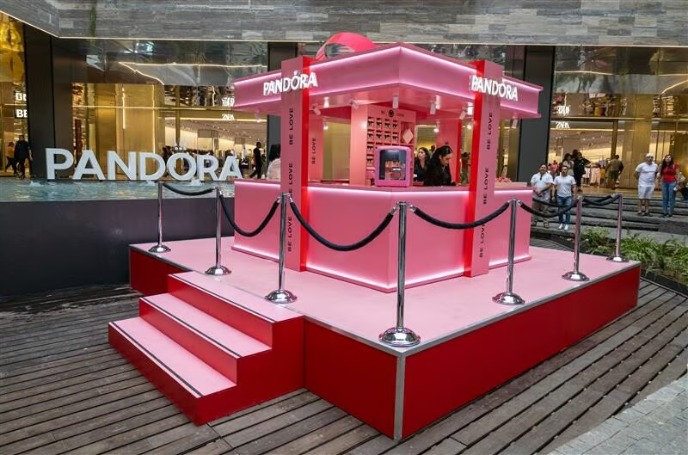
A pop-up shop is basically an interim store that enables brands to sell products and connect with people without signing a long-term lease. Depending on what the business is trying to achieve, setups can last from one weekend to several weeks. It is an excellent way for companies to introduce fresh items, try out new cities, or just create fun, practical experience in an active environment. Both major brands and small local businesses use pop-ups to meet customers directly in far more exciting ways, due to their flexibility.
Pop-up shops are versatile and urgent, unlike traditional retail shops. A pop-up allows you to try out new ideas with minimal risk, rather than limiting yourself to a long-term lease, permanent staff, and major investment in operations. Because the shop is only available for a fixed time, it creates a “fear of missing out,” which drives people to visit before it closes. Which makes this temporary setup ideal for creating excitement, filling the space with customers, and building connections in ways regular retail just can’t match.
Pop-up shops can look entirely different depending on the goal of the business. You might see them as holiday shops for different seasons, product launches, mobile trucks, or temporary setups inside empty retail shops and active malls. While some businesses are just looking to get immediate customer feedback, boost their presence on social media, or present themselves to a new crowd, others use them specifically to improve sales. Ultimately, the best pop-ups succeed because they perfect the logistics, which leaves people with memorable experiences.
Pop-Up Events vs. Pop-Up Shops: What’s the Difference?
While people often use the terms interchangeably, pop-up shops and pop-up events actually have totally different objectives. A pop-up store is simply a temporary store. Its main goal is to sell products and generate income. People go there especially to shop around, buy things, and get a realistic experience for a brand. A pop-up event, on the other hand, is much more extensive and is all about the experience. Things like launch parties, interactive marketing setups, community get-togethers, or big awareness campaigns. In reality, a lot of pop-up events are not concerned about driving sales; they just want to get people talking and connecting with the brand.
The goals behind them are completely different, too. Pop-up shops are usually hyper-focused on things like hitting numbers, sales targets, winning over new customers, or testing out the waters in a new environment. While a pop-up event is all about the hype. It focuses mainly on increasing engagement, press coverage, blowing up on social media, or just giving people a real experience. Simply put: a fashion brand opening a temporary boutique in a busy shopping district is running a pop-up shop. But a tech company hosting a live demo day with VR headsets and influencer meet and greets is throwing a pop-up event.
Knowing the difference between both enables you to choose the perfect game plan for what you aim to achieve. For instance, if your main goal is to produce quick sales and build up cash, a straightforward, retail-focused pop-up shop is your strongest option. However, if you’re trying to build brand awareness, dive into market research, or really engage with people, a hands-on pop-up event is going to produce more value. Honestly, the best brands usually smash the two together. They throw a solid pop-up event that includes a retail corner, allowing them to achieve their sales goals while still building great customer relationships and getting recognition.
What Are the Key Requirements?
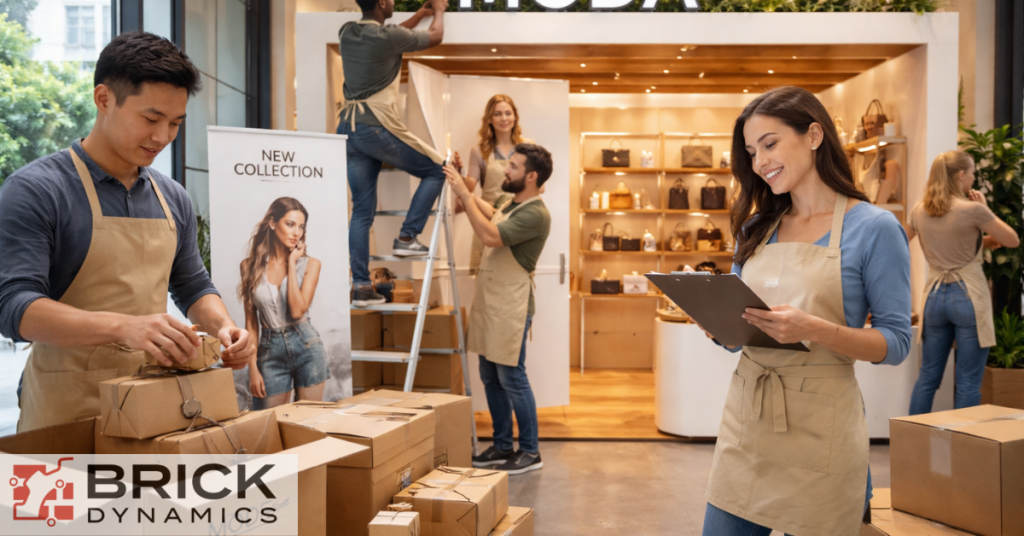
Hosting a successful pop-up event requires several operational and legal requirements before the temporary event can open to the public. Businesses must secure permits, allocate budgets, organize staffing, and prepare the event space. These preparations help a pop-up shop operate smoothly while attracting potential customers. Many brands treat these requirements as part of their overall marketing strategy and business growth planning. When handled properly, these steps help businesses build brand awareness and deliver a successful pop-up experience.
Permits and legal approvals are often the first requirement when launching a pop-up business. Local regulations may require temporary retail permits when operating outside a traditional store. Businesses hosting pop-up shop events in vacant storefronts or entertainment venues must also review safety guidelines. For example, a beverage brand secured permits early before opening a temporary retail space during local events. Event professionals consistently recommend confirming legal approvals before announcing the next pop-up event.
Budget planning is another essential requirement for a successful pop-up shop. Businesses must evaluate rental costs, marketing efforts, staffing, and installation expenses before confirming an event location. Temporary retail activations often cost significantly less than opening a permanent venue or brick-and-mortar store. For instance, a small business opted for a pop-up shop instead of a traditional store to test market demand. Retail experts note that controlled budgets allow businesses to experiment with creative marketing strategies without major financial risk.
Staffing and logistics also play a critical role in delivering a smooth pop-up experience. Our teams coordinate product care and inventory, set up schedules, and assign customer service responsibilities. Many companies also rely on event management software to track event details and manage operations efficiently. For example, a fashion brand used digital tools to monitor customer engagement and gather feedback. Operations specialists explain that organized logistics significantly enhance the customer experience during busy pop-up events.
Finally, businesses must prepare the physical event space to attract as many customers as possible. The layout should include interactive elements, product displays, and designated areas for social media engagement. Some brands incorporate augmented reality, live music, or demonstrations to generate excitement. For example, a technology company created an immersive pop-up experience using virtual reality displays. Marketing experts say engaging environments help businesses create buzz and leave a lasting impression on visitors.
How to Execute a Pop-Up Event
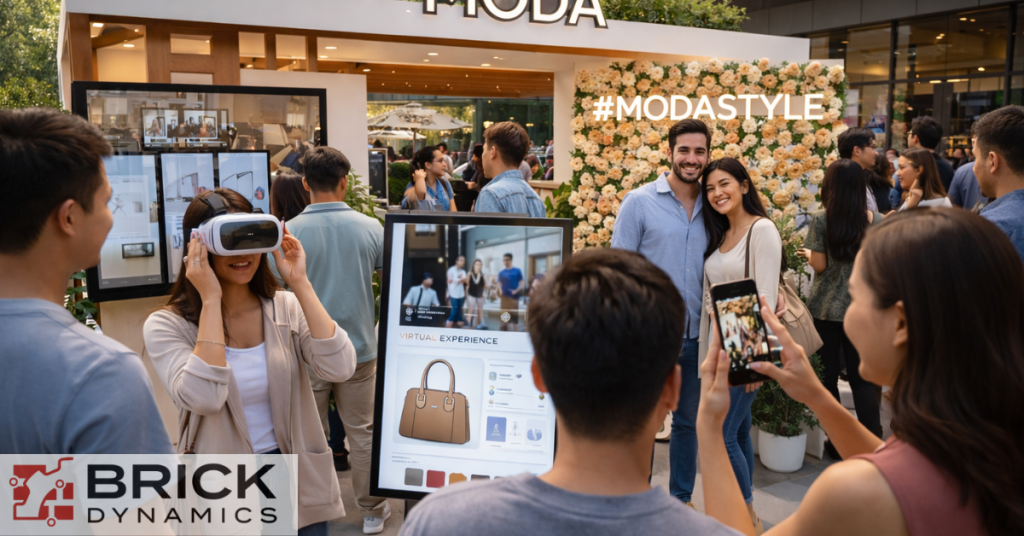
Executing a pop-up event successfully requires careful coordination of setup, marketing, and operations. Brands must plan installation timelines, marketing tactics, and staff responsibilities before opening. Event professionals recommend testing all equipment and interactive elements to ensure a seamless customer experience. Research shows that 85% of consumers are more likely to purchase after participating in experiential marketing events. Proper execution helps build brand awareness, attract potential customers, and deliver a lasting impression.
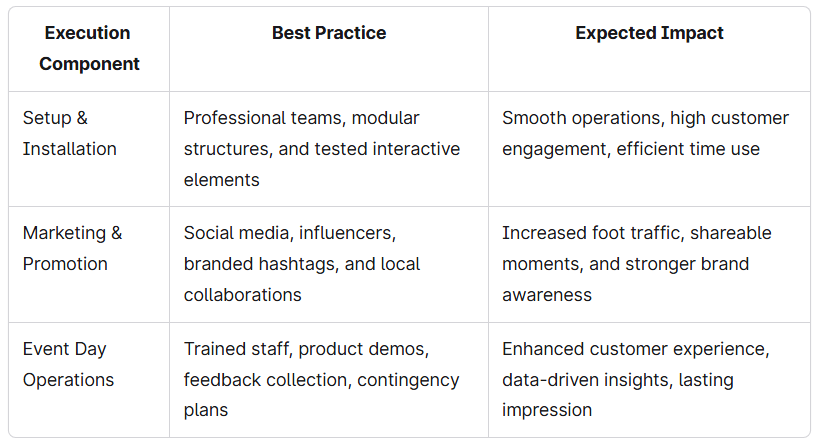
The setup and installation phase transforms a temporary location into a branded pop-up shop. Display layouts, signage, product demos, and interactive screens should align with the brand’s values and marketing strategy. Many businesses use professional event teams to streamline installation, saving time and minimizing rental costs. A fashion retailer deployed modular structures to reduce setup time and improve customer flow. Experts emphasize that an organized setup enhances foot traffic and enables customers to explore products effectively.
Marketing and promotion strategies are critical to generating buzz before and during a pop-up event. Leveraging social media, local influencers, and branded hashtags attracts the target audience and encourages shareable moments. A case study from a cosmetics company showed that Instagram posts increase foot traffic during a weekend pop-up event. Combining online promotion with local partnerships helps reach new audiences and strengthen brand loyalty. Marketing professionals advise aligning creative campaigns with the pop-up experience for maximum engagement.
Event-day operations require real-time management to ensure smooth customer engagement and satisfaction. Staff should guide visitors, conduct product demos, and gather feedback while monitoring inventory. Incorporating augmented reality or interactive screens can significantly enhance visitor excitement and brand visibility. Experts recommend having contingency plans to address operational challenges in temporary locations or high-traffic events.
Popular Locations and Vendor Options for Pop-Up Retail in the U.S.
Picking the perfect location is easily one of the most crucial decisions when organizing a pop-up. Having a location that not only draws a crowd but draws the right crowd for your brand is a defining move. A lot of businesses head straight for crowded shopping centers, famous entertainment districts, community marketplaces, or lively areas simply because the crowd flow is already present. Another major shortcut is leveraging festival seasons, trade shows, or local block parties, and it immediately puts you in front of a new audience that’s already out, moving, and ready to engage.
Aside from looking for the right space, you really have to look at your vendor relationships and operational support. Being able to lean on reliable partners who can handle the heavy lifting, like logistics, creating installations, arranging the tech, having enough staff in the store, and managing the overall ambience, is an excellent way to pull off a great pop-up. Working with local vendors is another brilliant move because they know the neighborhood inside and out, which helps create community connection authentically. There are some who prefer partnering with special agencies that completely specialise in streamlined operations, especially if they are trying to keep things consistent across multiple locations.
Teaming up with local businesses and pop-up communities is another huge way to boost your exposure and get more customers. Sharing a rental space, or cross-promotion, are some of the things that help everyone involved reach a much wider audience while building a solid foundation in the local scene. You have to look at practical things like how easy it is to get to, parking availability, nearby attractions, and whether the local crowd matches your target audience when searching for temporary retail spots. In the end, securing the right location and the right vendor network is what takes customer engagement and brand awareness to the next level.
What Operational Elements Make a Pop-Up Event Successful?
Executing a successful pop-up event requires more than a good idea or a busy location. Businesses must coordinate installation, marketing, and day-of operations to ensure the pop-up experience runs smoothly and attracts as many customers as possible. The comparison below highlights the key execution components, the best practices professionals use, and the impact each step has on foot traffic, customer engagement, and brand awareness.
Your Pop-Up Event Mastery Awaits
Pop-up events offer brands a powerful way to attract customers, gather feedback, and boost brand awareness in temporary locations or high-traffic areas. Unlike generic guides, this guide combines actionable planning steps, real-world case studies, and expert-backed strategies to ensure a successful pop-up event. By integrating interactive elements, marketing tactics, and operational insights, brands can create memorable experiences that strengthen customer loyalty. Data-driven examples and comparisons with traditional retail demonstrate measurable results, making this guide both practical and authoritative. Following these strategies ensures each pop-up event generates buzz, engages audiences, and leaves a lasting impression.
If you’re planning a pop-up event and need reliable operational support, Brick Dynamics helps brands execute seamless activations with expert logistics, installations, and on-site coordination. Reach out to the team today to bring your next pop-up experience to life with confidence.
Frequently Asked Questions
Looking for quick answers on planning successful pop-up events? These FAQs cover key strategies, locations, permits, promotion, and creative ideas.
What Are the Benefits of Hosting a Pop-Up Event?
Pop-up events boost brand awareness, attract new customers, and allow direct engagement with your audience. They also provide valuable feedback while creating memorable, shareable experiences.
How to Find the Perfect Location for a Pop-Up Event?
Choose a location based on foot traffic, target audience, and event objectives, whether a temporary retail space or high-traffic outdoor spot. Strategic locations increase visibility, engagement, and potential sales.
What Permits Are Needed to Host a Pop-Up Event?
Requirements vary by city but often include local business permits, temporary structure approvals, and health or safety clearances. Confirming these early ensures smooth operations and compliance with local regulations.
How to Promote a Pop-Up Event Effectively?
Leverage social media, branded hashtags, and collaborations with local influencers or businesses to generate buzz. Shareable content, interactive experiences, and clear messaging help attract new audiences and boost engagement.
What Are Some Creative Pop-Up Event Ideas?
Consider seasonal pop-ups, product launch activations, mobile pop-ups, or collaborations with local artists to engage your audience. Integrating interactive elements, AR/VR experiences, or limited-edition products creates excitement and lasting impressions.