What Are the Top Fleet Management Best Practices?
If you manage a business fleet, the top practices for fleet efficiency include fuel management, route optimization, vehicle acquisition, and preventive maintenance. These practices can reduce unnecessary costs, improve performance, keep vehicles operating reliably, and support overall business health. However, effective fleet management still depends on reliable on-the-ground operations to keep everything moving.
AtBrick Dynamics, we help businesses manage the physical work behind efficient fleet operations across 65+ metros. Our network includes 500+ local experts and 5,000+ vehicles supporting distributed operations. We connect fleet management with warehousing, logistics, maintenance, inventory, and field operations through real-time tracking and KPI reporting. Contact us today to scale your fleet operations with reliable local support.
In this article, we explain fleet management, best practices, how to implement them, and steps businesses can take to improve fleet efficiency.
What Is Fleet Management?
Fleet management involves overseeing a business's vehicles, drivers, maintenance, costs, and daily transportation operations. It covers tasks such as buying the right vehicles, managing fuel, planning efficient routes, scheduling maintenance, and staying on top of safety and compliance. You’re constantly looking for ways to keep things running efficiently, control costs, and find improvements that make a real difference for your business.
Fleet management is more than just keeping vehicles in good shape. It’s about making sure every part of your operation works together. Vehicles, drivers, technology, inventory, local warehouse, and routes all need to be connected for smooth customer deliveries and efficient business. If there is inadequate fleet management, it can lead to higher fuel consumption, frequent breakdowns, vehicle downtime, unsafe driving, and missed deliveries. These problems can affect customer satisfaction and eventually reduce sales.
10 Top Fleet Management Best Practices
Below are 10 practical practices covering maintenance, fuel, routing, drivers, technology, compliance, and performance tracking. Each addresses a specific modern fleet challenge and shows how businesses can apply it to optimize operations.
1. Build a Clear Fleet Management Policy
A clear fleet management policy sets simple, consistent rules for handling vehicles and daily operations. Start by defining who can drive, what vehicles can be used for, and who handles fuel and maintenance. Make driver responsibilities and inspection routines easy to follow, so every vehicle gets the care it needs, every time.
Your policy should clearly state what drivers need to do after accidents, unexpected breakdowns, or other incidents. Set up an easy reporting process so everyone knows who to contact and what details to share. Make sure drivers can access policies whenever they need them, and keep the rules consistent and up to date as your operations grow. Most importantly, enforce the same standards across the fleet and review the policy regularly as operations change.
2. Manage Vehicle Acquisition and Lifecycle Costs
Start by choosing vehicles that match your workloads, routes, cargo needs, and operating conditions. Compare purchasing and leasing based on your budget, expected usage, maintenance needs, and long-term plans. Calculate each vehicle’s Total Cost of Ownership (TCO), including its purchase price, service history, fuel, maintenance logs, insurance, and depreciation. Also track vehicle use to identify underused assets and ensure your fleet size matches actual operational demand.
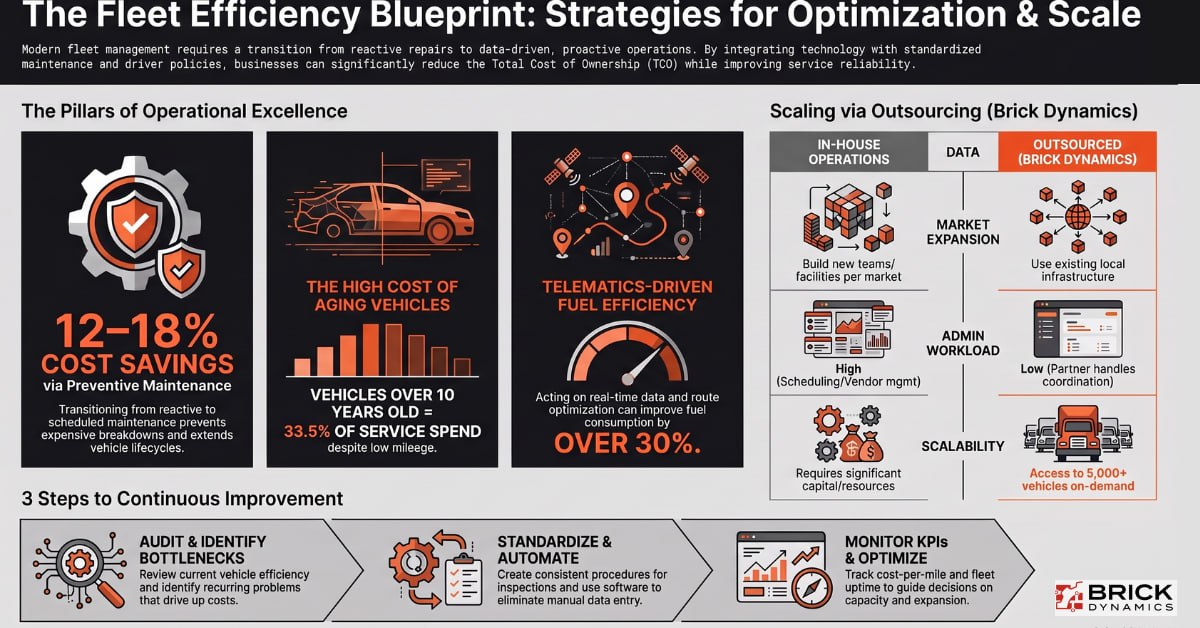
Set vehicle replacement cycles by tracking age, mileage, condition, and maintenance costs. Vehicle age can significantly affect maintenance spending.Fleetio research found that vehicles over 10 years old account for about 12.1% of miles but 33.5% of service spend. Keeping vehicles too long leads to more repairs and downtime. Review each vehicle's performance regularly, and let go of those that no longer serve you. This keeps your fleet reliable and your costs in check.
3. Implement Preventive Fleet Maintenance
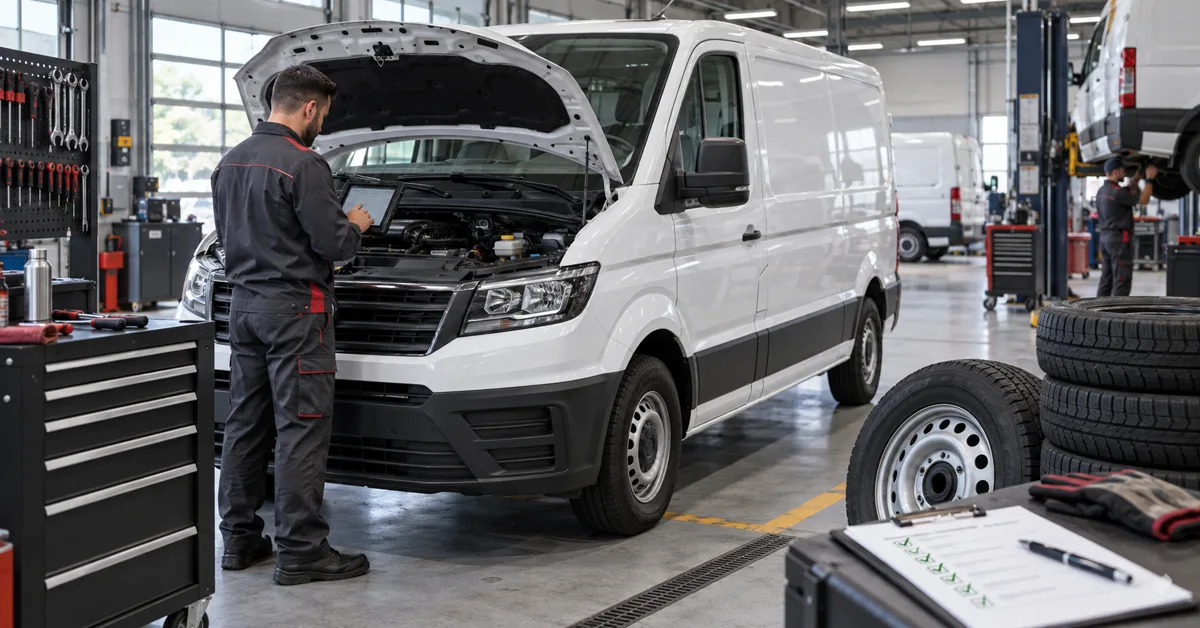
Set up maintenance schedules based on each vehicle’s mileage, engine hours, and the manufacturer's guidance. Regular inspections help you avoid reactive repairs, catch issues like worn tires or low fluids before they become bigger problems. Keep clear records so you can spot patterns and repairs before a breakdown surprises you.
This ultimately helps you save costs, since you won't spend as much as you would if the problem escalated. TheU.S. Department of Energy's Federal Energy Management Program (FEMP) states that a preventive maintenance program provides an estimated 12–18% cost savings compared with a reactive maintenance program.
Fix reported defects right away. A common mistake businesses make is waiting until vehicles slow down or put drivers at risk. Use maintenance software to stay on top of service reminders and inspections, and schedule repairs during downtime to keep your fleet rolling. Preventive care means fewer surprises, lower repair bills, longer vehicle life, and more vehicles ready for the road.
4. Optimize Fuel Management and Route Planning
Monitor fuel use across your fleet to spot waste and rising costs early. Fuel cards and digital tracking make it easy to compare how different vehicles and drivers are performing. Watch for excessive idling or unusual vehicle usage. Regular check-ins help you find and fix problems fast.
Good route planning saves fuel and time and keeps your vehicles busy. Plan routes with traffic, delivery windows, and vehicle capacity in mind, and use real-time data to adjust when things change. By matching vehicles to the right routes, you’ll cut mileage, save fuel, and keep your deliveries reliable.
5. Use Telematics for Real-Time Fleet Visibility
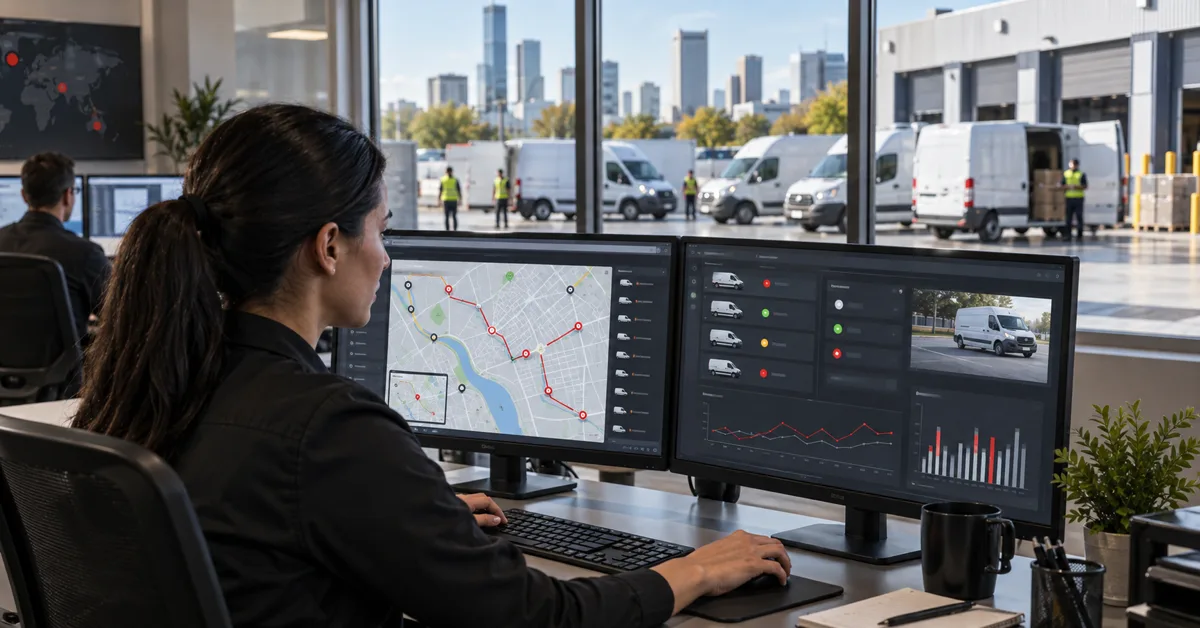
Telematics data enables real-time fleet tracking. GPS, fuel monitoring, and diagnostics help you spot issues fast, while automated alerts show you risky driving or unexpected stops. To get real value from telematics, turn this data into action by addressing unsafe driving, adjusting routes, scheduling maintenance, and reducing fuel waste.
Telematics systems can produce measurable fuel savings when managers act on vehicle data. For example, Moove Cars reported a 30.79% improvement in fuel consumption after implementingGeotab's telematics solution. This approach improves visibility, supports faster decisions, strengthens safety, and helps businesses keep fleet operations running efficiently.
6. Improve Driver Safety, Performance, and Retention
Start with thorough driver onboarding that covers vehicle operation, company policies, and safety expectations. Regular driver training can improve safety and lead to lower insurance costs. Add defensive driving training and plan regular refreshers to keep safe habits top of mind.
Use driver performance scorecards to monitor speeding, harsh braking, excessive idling, and route adherence. Review these results regularly to identify risky patterns, recognize good performance, and provide targeted coaching.
Keeping drivers around starts with making them feel valued. Recognize great performance, listen to concerns, and offer helpful coaching when needed. Not just discipline. A supportive environment boosts morale, reduces accidents, and helps keep your team together.
7. Maintain Regulatory Compliance and Documentation
Keep driver credentials, inspections, and records up to date and easy to find. Create a central system for storing this paperwork, then review it regularly to catch missing documents or upcoming renewals. Record accidents and other incidents promptly, including relevant vehicle and driver details, so managers can address issues and keep records complete.
Monitor compliance requirements for your fleet’s operating locations, and update procedures when requirements change. Staying organized protects you from penalties and keeps your fleet ready to roll.
8. Use Fleet Management Software and Automation
Choose fleet management software that puts all your vehicle, driver, maintenance, inspection, and operational data in one place. Automate reminders, digitize inspections, and use a central hub for documents and reports.
Connect the platform with other operational systems so relevant information can move between teams without repeated data entry. Start by automating time-consuming tasks, then expand as your needs grow. It’s a simple way to cut paperwork and let your team focus on what matters most.
9. Apply AI and Predictive Analytics Where They Add Value
Start with a specific fleet problem where better predictions could improve an existing process. Try predictive maintenance to spot vehicles that might need work, or use demand forecasting to plan ahead. AI can flag unusual patterns or risky driving. For complex operations, automated decision support can help managers compare options and respond faster. When you focus on real needs, AI helps you plan better, avoid surprises, and stay in control without losing the human touch.
10. Track Fleet KPIs and Continuously Improve
Choose KPIs that show how your fleet performs financially, operationally, and from a customer perspective. Track cost per mile, fuel, cost efficiency, vehicle utilization, fleet uptime, downtime, maintenance costs, on-time delivery, driver safety, maintenance compliance, and service performance. Review these metrics regularly and compare them against your targets to spot problems early.
More importantly, use the results to guide decisions, such as adjusting fleet capacity, investigating rising costs, or changing operational processes. Turning KPI data into action helps businesses improve accountability, control expenses, and keep fleet performance aligned with customer expectations.
How Can Businesses Improve Fleet Management Efficiency?
Boosting your fleet’s logistics efficiency starts by figuring out where things could be better. Maybe you’re losing time, missing out on profits, or not using your vehicles to their full potential. Here’s how you can spot those gaps, set clear priorities, and make improvements that really support your business goals.
Step 1: Audit the Current Fleet
Take a close look at your vehicles. How efficient they are, what they cost to run, and how much you’re spending on maintenance. Don’t forget to check your drivers, routes, and technology, too. This honest review helps you see exactly what’s working and what needs attention.
Step 2: Identify the Biggest Operational Bottlenecks
Look for recurring problems that drive up costs, slow productivity, or leave vehicles idle. Prioritize issues based on what hurts your business most. Whether financially, by how often they happen, or by how much they disrupt your day-to-day work. That way, you can tackle the biggest challenges first.
Step 3: Establish Measurable KPIs
Knowing what to measure makes it easier to see what’s working and what’s not. Set clear targets for metrics like vehicle use, operating costs, uptime, and service quality. These benchmarks show your progress and help you tell if your changes are making a real difference.
Step 4: Standardize Fleet Processes
Create consistent procedures for vehicle use, inspections, maintenance, documentation, and other recurring tasks. Standardized processes reduce inconsistencies and clarify responsibilities, helping your fleet run more smoothly.
Step 5: Introduce Technology Where It Solves a Specific Problem
Bring in technology to solve real problems you found in your audit, not just for the sake of having the latest tools. Use software, telematics, or automation when they help you see what’s going on, reduce manual work, or make smarter decisions.
Step 6: Review Performance and Continuously Optimize
Compare your results against your KPIs and investigate areas that don't meet expectations. Keep refining your processes as your fleet vehicles grow, customer needs evolve, and operating conditions change. Continuous improvement is the key to staying ahead.
In-House Fleet Operations vs. Outsourced Physical Operations
As your fleet grows, you may need to decide whether to keep every operational task in-house or bring in outside support. Both options have upsides and downsides, and the right fit depends on your locations, resources, and needs. Here’s a quick look at the trade-offs to help you decide what’s best for your business.
|
What to Consider |
In-House Fleet Operations |
Outsourced Physical Operations |
|
Operational Control |
Gives your team direct control over daily fleet data and activities. |
Provides shared oversight while an external partner handles agreed responsibilities. |
|
Market Expansion |
Requires you to build teams, facilities, and vendor relationships in each new market. |
Lets you use existing local infrastructure and teams as you expand. |
|
Warehousing and Inventory |
Your business manages storage, inventory, and local movement internally. |
A partner can provide local warehousing and coordinate inventory movement. |
|
Vehicle and Field Coordination |
Internal teams handle vehicles, drivers, inventory, and field activities. |
External teams can coordinate physical tasks across multiple locations. |
|
Administrative Workload |
Your team manages scheduling, vendors, documentation, and local operations. |
Outsourcing can reduce the amount of day-to-day coordination your team handles. |
|
Scalability |
Growth may require additional employees, vehicles, facilities, and management resources. |
Provides access to established operational infrastructure as needs change. |
|
Local Expertise |
Requires hiring or developing teams familiar with each market. |
Gives you access to local teams without building them from scratch. |
|
Cost Considerations |
Can make sense when you have enough volume to justify dedicated resources. |
Can be more practical when building infrastructure internally would be expensive or slow. |
|
Best Suited For |
Businesses with established operations, sufficient internal resources, and stable markets. |
Growing businesses managing distributed operations or entering new markets. |
Good fleet management strategy isn’t just about keeping vehicles moving. It’s about ensuring your policies, people, technology, and infrastructure work together to keep operations running smoothly.
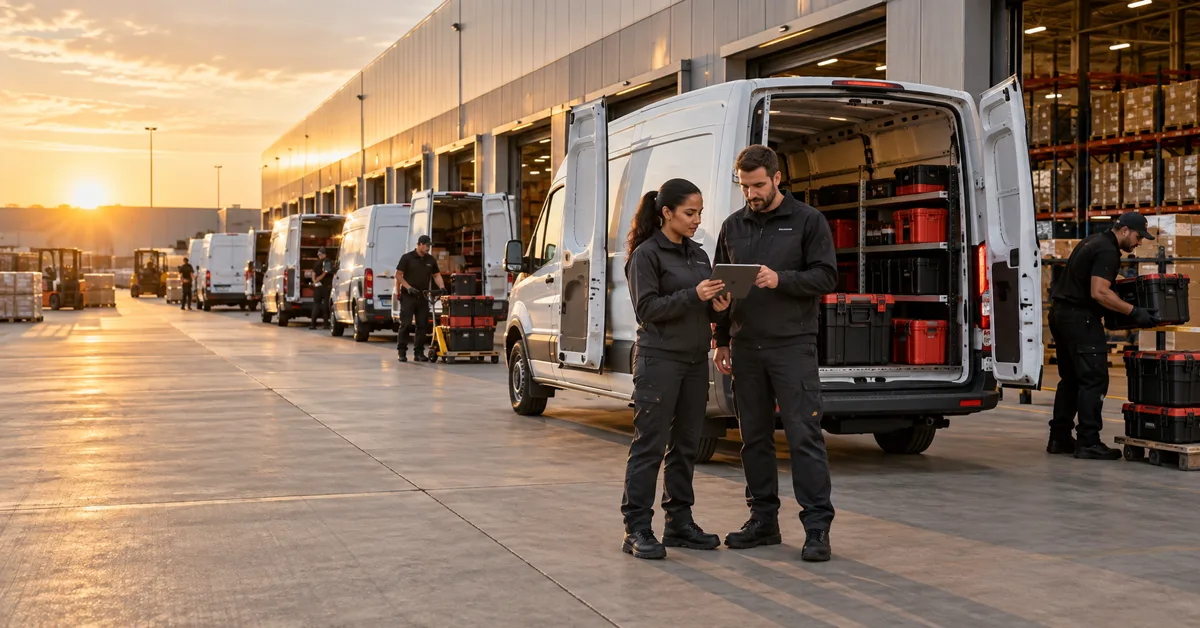
How Can Brick Dynamics Help With Fleet Operations?
Managing fleet operations across multiple locations can get complicated, especially when your vehicles, inventory, warehouses, and field teams operate in units. It’s easy to lose track of drivers, inventory, and day-to-day operations as your business grows.
That’s where Brick Dynamics comes in. We connect those moving parts with local warehousing, vehicle and inventory coordination, and first- and last-mile logistics. Our support helps keep your fleet operations organized and running smoothly, no matter how much you grow.
We also offer on-the-ground local field teams in every market you serve. They handle deliveries, installations, maintenance, inventory moves, and other hands-on tasks that keep your fleet running. With Brick Dynamics, you can coordinate vehicles and field activities without having to build new teams in every location.
Hypothetical Case Example: Scaling Fleet Operations Across New Markets
Imagine a delivery company with 80 vehicles operating across three markets. Eventually, the business expands and moves into five new markets. At first, they might manage vehicles, inventory, drivers, and deliveries with spreadsheets and a few local vendors. But as the fleet expands, it gets harder to keep up. Vehicles go missing, inventory gets lost, and updates come in late. Suddenly, what worked in one market no longer works everywhere, and managing it all feels like juggling too many tasks at once.
So, they start by auditing their entire fleet and spot local coordination as the main headache. By standardizing work orders, clarifying responsibilities, and using shared vehicle and inventory tracking, they make things smoother. For new markets, they partner with Brick Dynamics for warehousing, logistics, and field support so the central team stays in control, while we handle the local work close to the customer.
This hypothetical example shows how Brick Dynamics can support businesses expanding into new markets.
Does Your Business Need Better Fleet Operations?
Are rising operational costs, repair costs, frequent breakdowns, or missed deliveries holding your business back? If so, it may be time to take a closer look at your fleet. Great fleet operations rely on solid maintenance, smart routing, effective driver management, and clear tracking. But they also need people, vehicles, and technology working together.
As your business grows, keeping all these moving parts in sync across different locations gets tricky, and small gaps can quickly add up. First, fix the bottlenecks that slow your fleet down, then bring in the right processes and technology to solve them.
Brick Dynamics helps growing businesses fill operational gaps with local warehousing, logistics, field operations, and hands-on support. For over three years, we’ve built a network of 500+ local experts and 5,000+ vehicles supporting distributed operations. Reach out today to see how we can help keep your fleet moving as your business grows.
Frequently Asked Questions
Fleet management can cost you resources and customers when things go wrong. This can leave you wondering what you can do differently for better results. Below, you’ll find answers to common questions about improving fleet performance, reducing costs, and getting more from new technology.
What Are the Key Fleet Management Best Practices?
Key practices include preventative maintenance, fuel tracking, route optimization, driver safety, compliance, telematics, automation, and KPI tracking. When businesses manage vehicle lifecycles carefully and standardize processes, they recover costs and improve efficiency.
How Can Companies Reduce Fleet Management Costs?
Businesses can control costs by managing Total Cost of Ownership, reducing fuel waste, scheduling preventive maintenance, and optimizing routes. These practices improve vehicle use, reduce downtime, and ultimately lower unnecessary operating expenses.
What KPIs Should Fleet Managers Track?
If you manage a commercial fleet, watch key metrics like cost per mile, fuel efficiency, vehicle use, uptime, maintenance costs, and downtime. Tracking on-time deliveries, driver safety, vehicle maintenance, and customer service will help you spot where things can improve.
How Does Telematics Improve Fleet Management?
With telematics, you get a live view of where your vehicles are, how your drivers are doing, and how much fuel you’re using. This real-time info helps you boost safety, stay ahead on maintenance, find better routes, and make smart decisions faster.
When Should a Business Consider Outsourcing Fleet Operations?
Outsourcing your fleet operations can make sense when you’re expanding into new markets, juggling operations in different places, or dealing with rising costs. Bringing in outside help also makes sense if your team needs more fleet know-how or struggles to keep vehicles, local teams, and infrastructure working together.