
Benefits Of Last Mile Delivery
The most significant benefit of last-mile delivery is that customers can receive their orders promptly instead of dealing with long delays. Before now, most businesses shipped their goods in bulk and relied on retailers to get these products in stores. This meant that customers often waited days or even weeks to receive their delivery. Today, more companies are adopting a faster, more consumer-focused approach known as last-mile delivery.
If you’re looking for a dependable team to handle your last-mile delivery, Brick Dynamics has you covered. Brick Dynamics is led by a team of seasoned logistics professionals with over a decade of experience and supported by a strong network of more than 500 partners. Book a consultation to speak with one of our supply chain experts and learn more about how we can optimize your delivery operations.
In this post, we’ll explore the benefits of last‑mile delivery, what you need to implement it successfully, and the common challenges to be aware of.
What is Last-Mile Delivery?
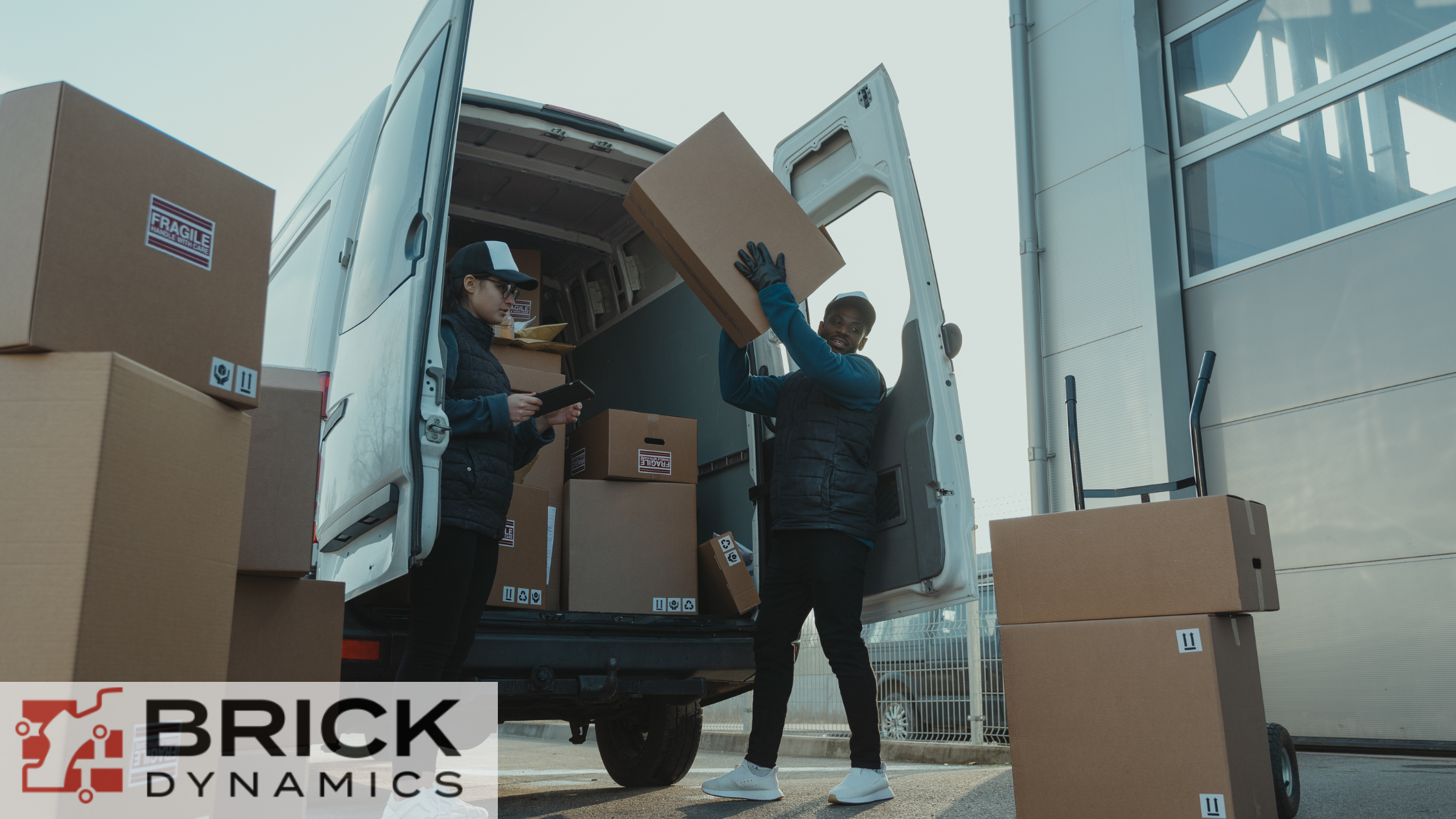
Last-mile delivery is the final step in getting a product from a warehouse or distribution center to the customer’s doorstep. It is an important part of logistics because it directly influences the overall customer experience. When done correctly, last-mile delivery boosts customer satisfaction by ensuring orders arrive on time and in perfect condition.
What Are the Benefits of Last Mile Delivery?
Beyond faster deliveries, last-mile delivery can also strengthen customer loyalty and help you gain a competitive edge in the market. In the following section, we’ll share 10 ways last-mile delivery can positively impact your operations:
1. Enhanced Brand and Customer Loyalty
The final leg of the shipping process often determines a customer’s overall perception of a brand. A survey found that 98.1% of consumers say delivery strongly affects their brand loyalty. In other words, companies that consistently meet customer expectations reduce the risk of a poor delivery experience damaging how customers feel about their brand.
2. Real-Time Order Tracking
Approximately 91% of consumers actively track their packages. Real-time tracking has become a key requirement in today’s operations because customers want to know exactly where their packages are at every point in time. With the help of a robust tracking system, companies can create a more transparent delivery experience for their customers throughout the entire shipping process. This level of visibility strengthens customer confidence and minimizes the chances of missed deliveries or confusion about delivery windows.
3. Reduced Delivery Errors
About 23% of customers admit they won’t reorder from a company after a failed delivery. That means instances of wrong addresses, missed deliveries, and damaged packages can quickly hurt customer trust and result in loss of sales. Companies that use route optimization software improve delivery accuracy while lowering the chances of customer frustration.
4. Greater Flexibility in Delivery Options
Statistics show that 80% of consumers consider same-day delivery a standard expectation, andbusinesses that can provide this flexibility enjoy a clear competitive advantage. For example, a casual shopper may not mind a standard delivery window of 1–2 days, but someone with an urgent requirement may only patronize brands that provide express or same-day delivery. Because of these expectations, it has become essential for companies to offer flexible delivery options that fit different lifestyles and levels of urgency.
5. Increased Competitive Advantage
According to this report, businesses that offer same-day delivery have seen their revenues increase by as much as 80%, and 36% have noticed a higher rate of repeat purchases.
This makes it important for companies to leverage last-mile delivery solutions and position themselves as a company capable of meeting diverse customer expectations.
6. Higher Customer Retention
Research shows that poor delivery performance is one of the biggest reasons customers stop buying from a brand. Consequently, this means that companies that can repeatedly meet customer expectations create a powerful competitive advantage for themselves. When customers consistently receive their orders without issues, it strengthens customer retention and keeps the brand top-of-mind for future purchases.
7. Cost Efficiency in Logistics
Businesses that adopt advanced last-mile delivery solutions gain cost savings across their supply chain operations by improving delivery routes. For instance, route optimization helps drivers take shorter, more efficient delivery routes, which cuts down on fuel consumption and reduces delays caused by traffic congestion. Over time, these streamlined processes lead to meaningful cost savings and stronger delivery performance.
8. Better Inventory Management
Real-time visibility into the supply chain process reduces the risk of overstocking or stockouts, especially during seasonal spikes. With improved delivery accuracy and predictable delivery windows, your business can maintain smoother inventory flows and respond faster to growing consumer demands.
9. Improved Customer Satisfaction
One of the biggest benefits of last-mile delivery is that it can positively impact customer satisfaction when executed correctly. According to multiple industry studies, delivery speed, accurate ETAs, and real-time tracking are key factors that influence customer experience. When businesses consistently deliver excellent service quality, customer satisfaction naturally rises and leads to stronger loyalty over time.
10. Faster Delivery Times
The most significant benefit of last-mile delivery is that it ensures packages reach the customer’s doorstep quickly and reliably. Additionally, it also helps logistics providers maintain a strong supply chain process that meets diverse customer preferences. This allows them to choose options like same-day, express, or scheduled deliveries.
What Are the Key Requirements for Last Mile Delivery?
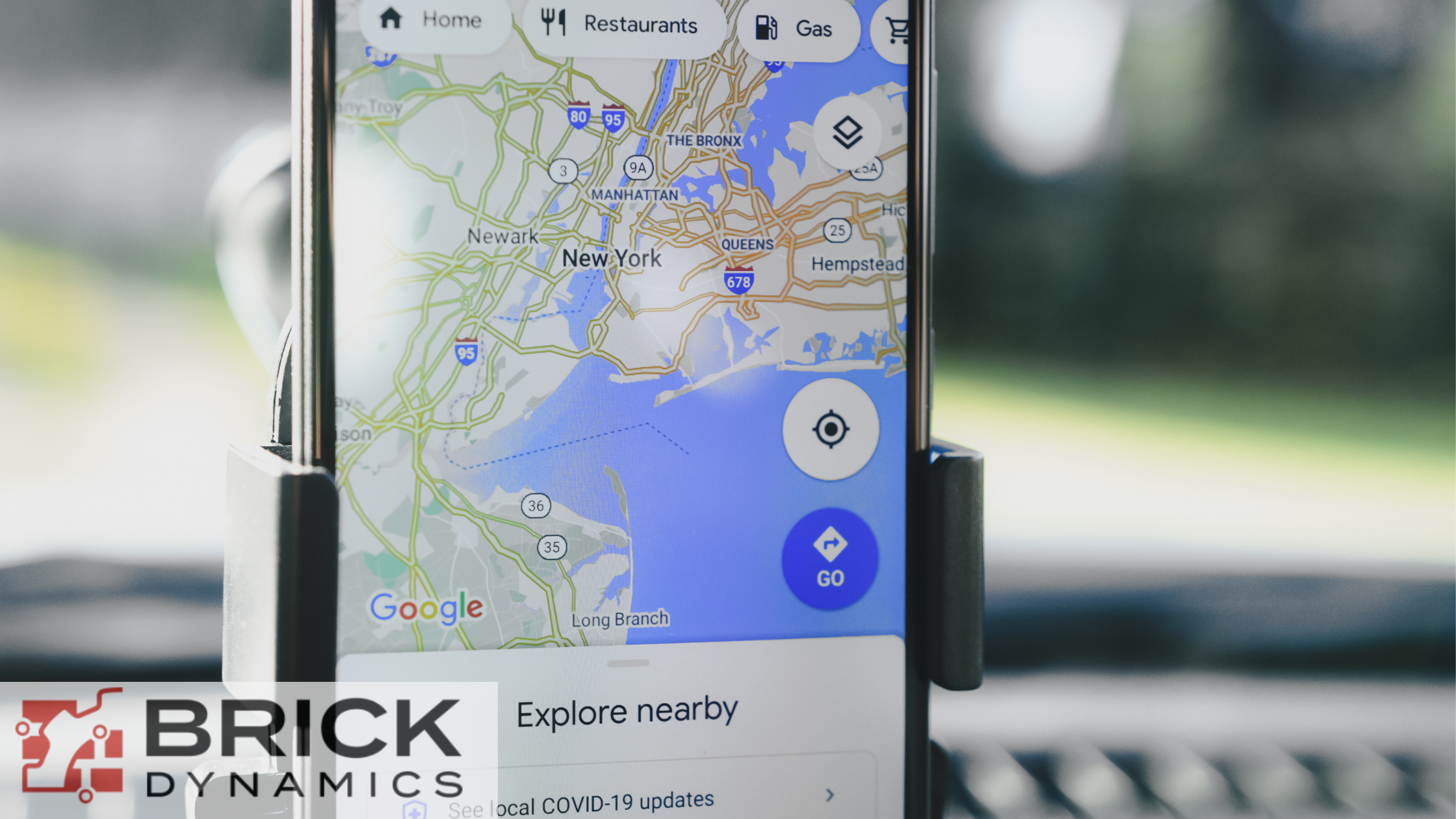
One of the most important requirements for efficient last-mile delivery is route optimization, which helps drivers take the fastest and most efficient delivery routes. It can significantly reduce transportation costs and help businesses maintain a consistent delivery time even during peak hours.
Another essential requirement is real-time tracking technology, which gives customers and logistics teams complete visibility into the delivery process. With tracking software, companies can respond faster to delivery delays and strengthen the customer’s trust in their brand.
A smooth last-mile delivery process also depends on fast and reliable delivery speed, especially as more customers expect express and same-day delivery options. Additionally, customers also expect clear communication throughout the delivery process because it helps them plan around delivery windows and reduce the chances of missed deliveries.
Since incorrect or incomplete addresses are one of the biggest causes of failed deliveries, address verification systems are another crucial last-mile delivery requirement. Beyond technological requirements, having a team of skilled delivery personnel is just as important. These are the people your customers interact with during the final leg of the order process, so their ability to handle packages correctly directly influences the overall delivery experience.
Together, these requirements create a last-mile delivery process that is faster, more reliable, and better aligned with customer expectations.
How is Last Mile Delivery Implemented?
In this section, we’ll walk you through the steps needed to build and execute an effective last-mile delivery strategy.
- Order Placement: Everything starts with a customer placing an order through your company’s sales channel. After you’ve confirmed that the item is in stock and ready to ship, you can move right into the fulfillment stage.
- Order Fulfillment: This is where you actually prepare the order. You pick the item from inventory, double-check that it’s the correct product, and pack it securely. Once you and your team have packed and labeled the product, it’s ready to head out to the distribution area.
- Warehousing/Distribution Center: At the distribution center orders are grouped based on delivery zones, vehicle capacity, or delivery type. This helps the logistics team manage outgoing shipments more efficiently.
- Route Planning: Before any delivery vehicle leaves the facility, logistics providers have to determine the best route to avoid delays. This is where route optimization comes in. With the help of route optimization software, you can map out the most efficient delivery routes after considering factors like traffic, distance, delivery windows, and fuel usage.
- Delivery Assignment: After routes are finalized, orders are assigned to available drivers or delivery partners. You’ll usually match routes based on vehicle size, driver availability, and delivery urgency. This helps make sure every order gets where it needs to go on time.
- Package Scanning & Tracking: Just before your customers’ packages head out, they’re scanned into the system. These scans feed into the tracking system, allowing both the business and the customer to see exactly where the order is. From this point forward, every handoff or movement gets logged so both you and the customer can follow the delivery in real time.
- Delivery: Now it’s time to actually get the package to the customer’s doorstep. Your drivers will follow the optimized routes shared with them earlier while also adhering to any delivery notes, such as “leave with security,” to give the customer a smooth last-mile delivery experience.
- Proof of Delivery: Once the order is delivered, the driver records proof of delivery, usually through a photo, customer signature, or a time-stamped update. This final step confirms that the package has reached the right address and helps resolve any disputes or customer inquiries later on.
What Are the Challenges in Last Mile Delivery?
One of the most common problems associated with last-mile delivery is inaccurate ETAs. If a customer is told their package will arrive by 2 p.m. and it shows up at a later time, it can immediately damage their trust in the company’s brand. The result is the same for problems like missed, delayed, or stolen deliveries.
We believe that every customer frustration is caused by deeper operational issues. For instance, traffic congestion is the biggest culprit for delivery time jumps, making it difficult for companies to maintain accurate ETAs. Rising transportation costs are another major challenge, especially with fluctuating fuel prices pushing last-mile delivery costs higher each year.
Seasonal delivery spikes also put pressure on last-mile operations. During peak seasons, order volumes jump sharply, which can overwhelm delivery fleets and slow down even the most optimized delivery process. Plus, the likelihood of failed deliveries becomes higher during these periods.
Best Practices for Optimizing Last-Mile Delivery
One of the most effective steps is to invest in route optimization software. These applications help drivers avoid traffic congestion, reduce fuel consumption, and reach delivery locations faster. It also improves delivery speed by ensuring drivers take the most efficient routes instead of relying on guesswork.
Another important best practice is to use real-time tracking tools. When customers can monitor their package from the warehouse to their doorstep, it improves the delivery experience. Real-time tracking also gives companies better visibility into delivery performance and helps resolve delays more efficiently.
Companies should also prioritize strong customer communication. Clear communication strengthens trust and sets proper expectations throughout the last-mile delivery process. It’s also important to expand your range of delivery options. Offering choices like same-day delivery, scheduled deliveries, pickup points, or flexible delivery windows allows businesses to meet diverse customer preferences while reducing missed deliveries.
And lastly, invest in the right delivery fleet. Pairing the right vehicle with the right route increases efficiency and helps companies lower transportation costs long-term.
Ready to Optimize Last Mile Delivery?
Without a doubt, last-mile delivery is one of the most critical pieces of modern logistics. When it’s done right, it can improve customer satisfaction, boost retention, and increase the overall profitability of a business. However, there are still plenty of challenges that make it difficult for companies to implement last-mile delivery. That’s why it’s advised to consult last-mile delivery experts who can help you identify hidden inefficiencies before they turn into expensive setbacks.
If you need guidance on how to optimize your last-mile delivery process, Brick Dynamics is here to help. With their hands-on experience in logistics and fulfillment, our specialists will not only evaluate your current system but also recommend tailored solutions to help you achieve a more reliable delivery performance. Schedule a free consultation with us today.
FAQs
From understanding the key benefits to avoiding common mistakes, getting clarity on best practices is essential. This FAQ section answers the most common questions about last-mile delivery so you can optimize your operations and enhance the customer experience.
What Are The Benefits Of Last Mile Delivery For E-Commerce Businesses?
Last mile delivery helps e-commerce businesses improve the overall customer experience by allowing them to offer faster, more reliable delivery service. It also reduces delivery errors, thus strengthening brand loyalty.
How Does Last Mile Delivery Impact Customer Retention?
When customers consistently receive their orders on time and in good condition, they’re more likely to return. Failed deliveries and inaccurate ETAs quickly push customers toward competitors.
How Can I Effectively Analyze The Costs Of Last Mile Delivery And Create A Budget?
Start by reviewing expenses like fuel costs, driver wages, vehicle maintenance, and route efficiency. Then factor in technology investments such as real-time tracking tools or route optimization software. Once you’ve taken all these into consideration, you can create a realistic budget that aligns with your delivery goals and helps you control transportation costs.
What Are Common Mistakes To Avoid When Implementing Last Mile Delivery?
Some of the most common mistakes include poor route planning, lack of real-time visibility, and unreliable delivery windows. Businesses also run into problems when they don’t have a strong tracking system or fail to prepare for seasonal spikes.