
B2B Event Marketing
B2B event marketing connects businesses with potential customers and clients with events that build relationships, generate leads, and create long-lasting brand awareness. These events include trade shows, networking events, product launches, and virtual events that give businesses the opportunity to engage the public in meaningful ways. With a clear strategy and measurable goals, B2B event marketing can be a powerful tool to drive business growth and long-term customer relationships.
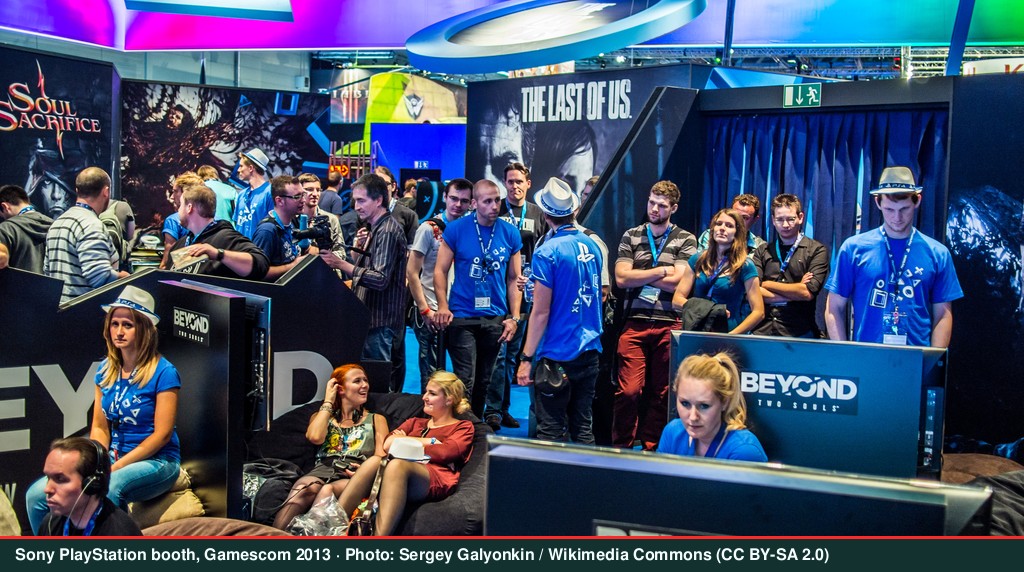
At Brick Dynamics, we know that successful B2B event marketing depends on more than hosting a great event. For the past three years, we’ve helped businesses execute trade shows, product launches, networking events, and other brand activations by providing reliable logistics, field support, and on-the-ground operational expertise. Today, our network of more than 500 local experts supports businesses across 65+ metros, completing over 1,000 jobs every day. From planning and event execution to post-event logistics and customer engagement, we help businesses deliver seamless experiences that strengthen relationships and support measurable business growth. If you’re looking for a trusted partner to help you plan and execute successful B2B events, contact us today to see how we can support your next event.
This guide explains what B2B event marketing is, why it matters, and how to plan, execute, and measure successful events that generate qualified leads and strengthen business relationships.
What Is B2B Event Marketing and Why Does It Matter?
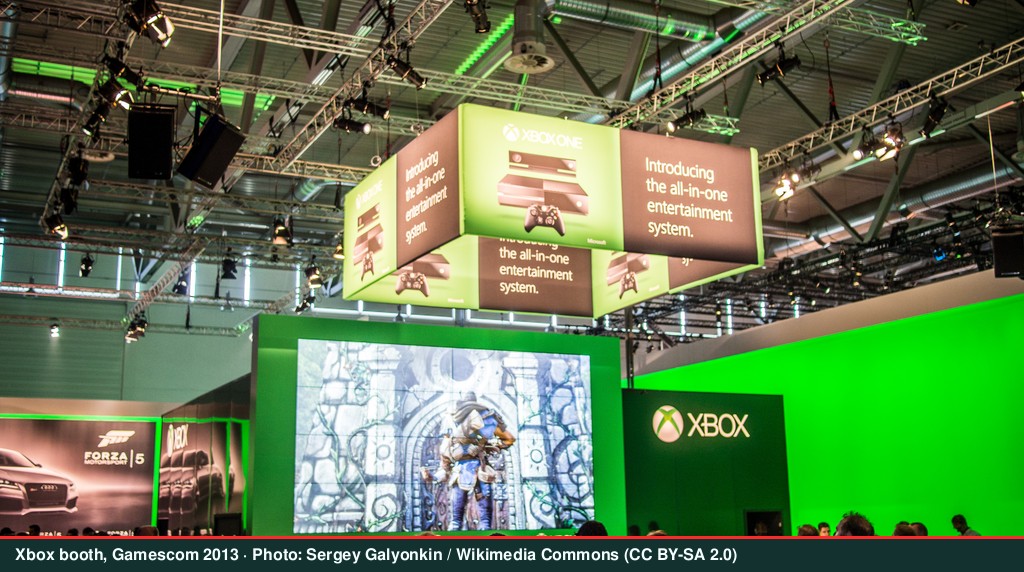
B2B event marketing is the process of promoting a business with events in order to connect brands with potential customers, partners, and industry professionals. They include trade shows, conferences, networking events, product launches, invite-only events, and webinars. Each event is designed to showcase what a business has to offer and build meaningful connections. When a business brings people together in a shared environment, B2B event marketing helps build trust and demonstrate expertise to prospects in a way that digital marketing may not achieve. These events can lead to increased brand recognition, generate leads, and create memorable moments when planned carefully and strategically.
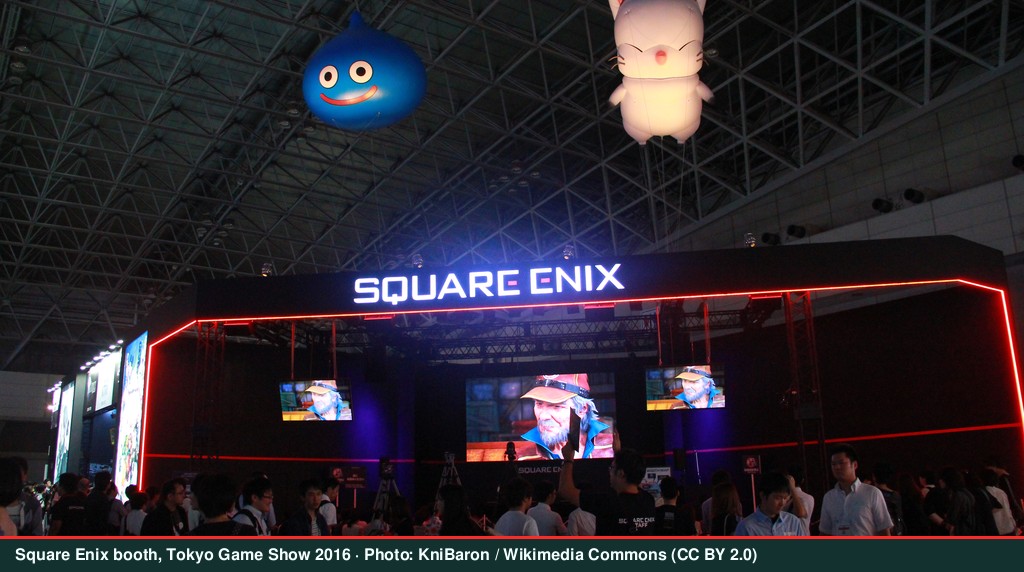
In our experience, we have seen that successful B2B events don’t happen just because of a nice venue or impressive keynote speakers. They are successful because, right from the planning stage, where they have to identify the target audience, to the post-event follow-up was planned with measurable outcomes in mind. According to the 2026 Global Economic Significance of Business Events Report published by the Events Industry Council, business events generated more than $1.6 trillion in global GDP and supported over 26 million jobs worldwide. As Thomas O’Brien explains, “Successful B2B events are designed around business conversations, not event attendance.” This is what helps businesses to generate high-quality leads, strengthen customer relationships, and create opportunities that keep bringing value even after the event ends.
How to Build a Successful B2B Event Marketing Strategy
Successful B2B event marketing starts long before the event itself. Over the years, we’ve found that the highest-performing events share a common pattern: they begin with a clear strategy, focus on the right audience, and continue creating value long after attendees leave. That’s why we follow the C.O.N.N.E.C.T. Framework, a practical approach that helps businesses plan, execute, and measure events that support real business objectives. Whether you’re hosting trade shows, networking events, product launches, or virtual events, these principles can help you create meaningful experiences that deliver measurable outcomes. More importantly, they ensure every event contributes to stronger customer relationships and long-term business growth.
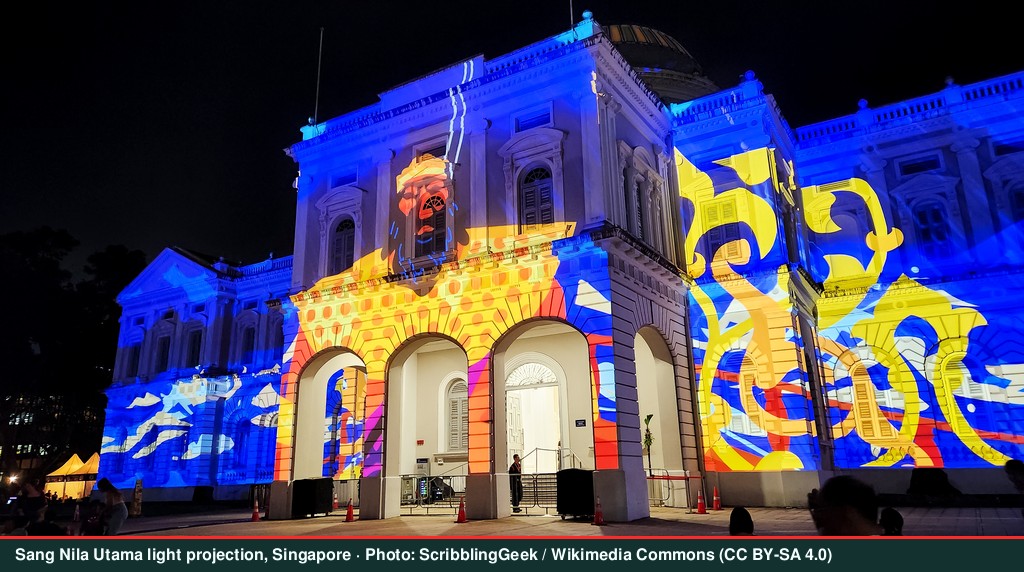
C- Clarify Your Event Goals
Every successful B2B event begins with a clear purpose. Whether your objective is lead generation, increasing brand recognition, launching a new product, or strengthening customer relationships, defining measurable goals helps every decision support the same outcome. We’ve found that many businesses focus on venues, speakers, and logistics before deciding what success actually looks like, making it difficult to prove ROI later. For example, a product launch may prioritize qualified demo requests, while a networking event may focus on scheduling follow-up meetings with high-value prospects. As Thomas O’Brien says, “The success of an event isn’t measured by attendance alone. It’s measured by how well the results align with the objectives you set from the start.”
O- Organize the Right Event Format
Not every event format serves the same purpose. Trade shows work well for lead generation, webinars help reach a broader audience, while invite-only events create opportunities for deeper conversations with decision-makers. Choosing the right format depends on your target audience, business objectives, and the type of experience you want attendees to have. We’ve learned that businesses achieve better results when the event format supports the message instead of forcing the message to fit the event. Matching the format to the outcome creates a stronger experience for both attendees and your sales team.
N- Narrow Your Target Audience
Knowing exactly who you want to reach is just as important as deciding what type of event to host. A clearly defined audience helps shape your invitations, messaging, event content, and networking opportunities while ensuring your budget is invested where it delivers the greatest impact. Rather than trying to attract everyone in a particular industry, focus on the people most likely to become paying customers or long-term business partners. This targeted approach also improves attendee engagement because every part of the event feels more relevant to the people in the room. The more specific your audience, the easier it becomes to create memorable experiences that encourage meaningful conversations.
N- Nurture Meaningful Engagement
People rarely remember an event because of the venue alone. They remember valuable conversations, practical insights, product demonstrations, and opportunities to connect with other professionals facing similar business challenges. Interactive promotions, breakout sessions, keynote speakers, and networking activities all encourage attendees to actively participate instead of simply observing. We’ve consistently seen that the events generating the strongest business relationships are those that give attendees multiple opportunities to engage with both the brand and each other. As TJ Hennessy puts it, “The real magic happens when attendees stop feeling like an audience and start becoming part of the conversation.”
E- Extend the Conversation
Your event shouldn’t end when attendees walk out of the venue or close their laptops. Prompt post-event follow-up, personalized emails, and helpful resources keep conversations moving while demonstrating your continued commitment to solving customer challenges. We’ve seen businesses lose valuable opportunities simply because they waited too long to reconnect with attendees after an event. Reaching out while the experience is still fresh increases the likelihood of building stronger customer relationships and moving potential clients through the sales process. Consistent follow-up also provides valuable feedback that can improve future events.
C- Connect Sales and Marketing
B2B event marketing performs well when sales and marketing work toward the same objectives. Marketing teams help attract the right audience, while sales teams build relationships and convert opportunities into measurable business outcomes. We’ve found that sharing attendee insights before and after the event creates a smoother experience for prospects and improves follow-up conversations. Regular communication between both teams also ensures promising leads don’t slip through the cracks. When everyone works from the same strategy, events become more effective at supporting long-term business growth.
T- Track Results and Optimize
Every event should end with a review of what worked, what didn’t, and what can be improved. Measure performance using KPIs that align with your original objectives, such as qualified leads, attendee engagement, meeting requests, follow-up conversions, or customer feedback. Analytics tools make it easier to prove ROI while identifying trends that strengthen future event marketing strategies. We’ve learned that the most successful event marketers treat every event as a learning opportunity rather than a one-time campaign. Continuous improvement helps businesses create better experiences, generate stronger results, and maximize the value of every future event.
Popular Types of B2B Events
No single event format is right for every business because each serves a different purpose. The right choice depends on your event goals, target audience, budget, and the type of relationships you want to build. Some events are designed to generate high-quality leads, while others focus on strengthening customer relationships or showcasing new products. We’ve found that businesses see better results when they choose an event format that aligns with their objectives instead of following industry trends. The comparison below highlights some of the most effective B2B event types and where each delivers the greatest value.
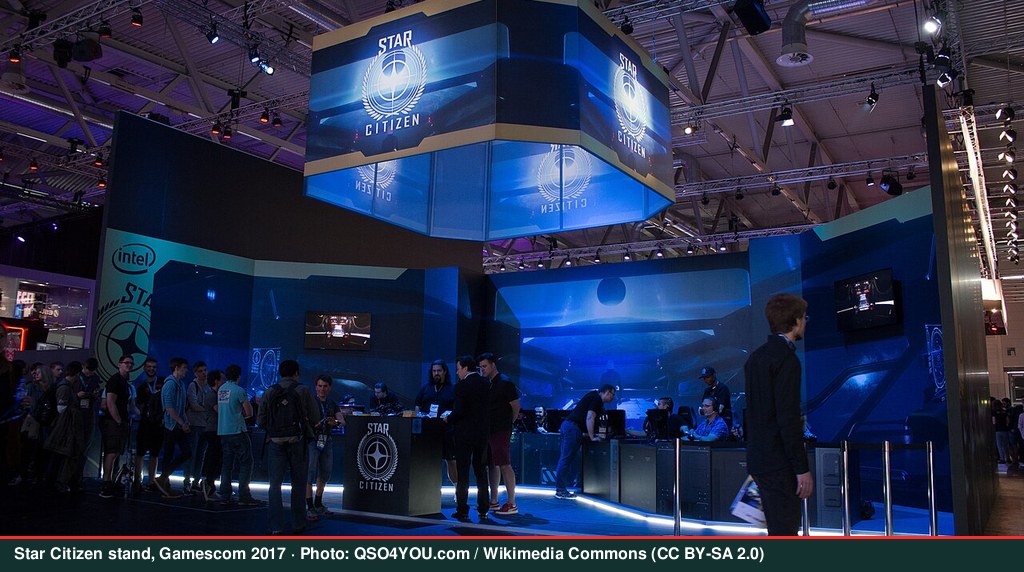
| Event Type | Best For | Primary Benefit | Example |
|---|---|---|---|
| Trade Shows | Lead generation | Connects businesses with decision-makers and industry buyers | Industry expos and exhibitions |
| Conferences | Thought leadership | Positions brands as industry experts while sharing valuable insights | Annual business conferences |
| Networking Events | Relationship building | Creates opportunities to connect with potential clients and industry professionals | Business mixers or association events |
| Product Launches | Brand awareness | Introduces new products while generating excitement and media attention | Launch events for new solutions |
| Invite-Only Events | High-value prospects | Encourages deeper conversations in an exclusive setting | Executive dinners or VIP briefings |
| Virtual Events & Webinars | Broader audience | Expands reach while reducing travel and venue costs | Educational webinars and online workshops |
How to Measure B2B Event Marketing Success
Measuring the success of a B2B event goes beyond counting attendees. The most effective approach is to evaluate performance against the objectives you established before the event and review both quantitative results and attendee feedback. We’ve found that businesses gain the clearest picture of success when they consistently track the same performance indicators across every event. This makes it easier to prove ROI, identify opportunities for improvement, and optimize future events. The following metrics provide a practical way to measure whether your event achieved its goals.
1. Qualified Lead Generation
One of the clearest indicators of event success is the number of high-quality leads generated. Rather than collecting as many contacts as possible, focus on prospects who match your target audience and are likely to become paying customers.
2. Attendee Engagement
Evaluate how actively attendees participated throughout the event. Product demonstrations, breakout sessions, networking activities, and interactive promotions all provide valuable insight into how well your event captured and maintained attention.
3. Sales Team Follow-Up
Review how many attendees responded to post-event emails, scheduled meetings, requested product demonstrations, or continued conversations after the event. According to the 2025 Freeman Trust Report, 87% of working professionals visited a brand’s website after attending a live event, highlighting the importance of maintaining engagement after the event concludes.
4. Customer Feedback
Gather feedback through surveys, interviews, or informal conversations to understand what attendees valued most. Their responses often reveal opportunities to improve future events while providing context that numbers alone cannot explain.
5. Return on Investment (ROI)
Compare the event’s outcomes against the original objectives and overall investment. As Thomas O’Brien says, “A successful event isn’t judged by what happened on the day alone; it’s judged by the business opportunities it creates afterward.” Measuring ROI helps businesses understand whether their event strategy is delivering meaningful business growth over time.
Ready to Build More Successful B2B Events?
B2B event marketing gives businesses the opportunity to connect with the right audience, generate qualified leads, and build lasting customer relationships through meaningful experiences. Whether you’re hosting trade shows, conferences, networking events, or virtual events, success depends on clear objectives, thoughtful planning, and consistent follow-up. Choosing the right event strategy and measuring performance against defined goals helps turn every event into a valuable business investment. Businesses that continuously learn from each event are better equipped to improve future events and strengthen their overall marketing efforts. Ultimately, successful B2B event marketing is about creating experiences that deliver measurable results long after the event ends.
If you’re planning your first B2B event or looking to improve your event marketing strategy, Brick Dynamics can help you create seamless experiences that support your business goals. Reach out to our team today to learn how we can help you plan, execute, and optimize your next event.
FAQs
These 3are answers to common questions you may have about B2B event marketing.
What is B2B Event Marketing?
B2B event marketing is the practice of promoting a business through events that engage potential clients, partners, and industry professionals. It helps businesses build relationships, increase brand awareness, and generate qualified leads through meaningful interactions.
What Are the Most Effective B2B Marketing Events?
Trade shows, conferences, networking events, product launches, webinars, and invite-only events are among the most effective B2B event formats. The right choice depends on your event goals, target audience, and business objectives.
How Do You Measure the Success of a B2B Event?
Measure success by tracking qualified leads, attendee engagement, follow-up activities, customer feedback, and return on investment against your original objectives. Reviewing these metrics helps improve future events and prove the value of your event marketing strategy.
Why Is Post-Event Follow-up Important?
Post-event follow-up keeps conversations going while helping businesses nurture leads and strengthen customer relationships. Prompt, personalized communication also increases the likelihood of converting attendees into paying customers.
What Is the Difference Between Virtual and In-person Events?
Virtual events help businesses reach a broader audience with greater flexibility, while in-person events create stronger opportunities for face-to-face networking and relationship building. Many organizations now combine both formats to maximize engagement and reach.
How Can Businesses Improve Attendee Engagement?
Businesses can improve attendee engagement by offering interactive experiences such as product demonstrations, breakout sessions, networking opportunities, and personalized content. Creating opportunities for active participation makes events more memorable and valuable for attendees.